
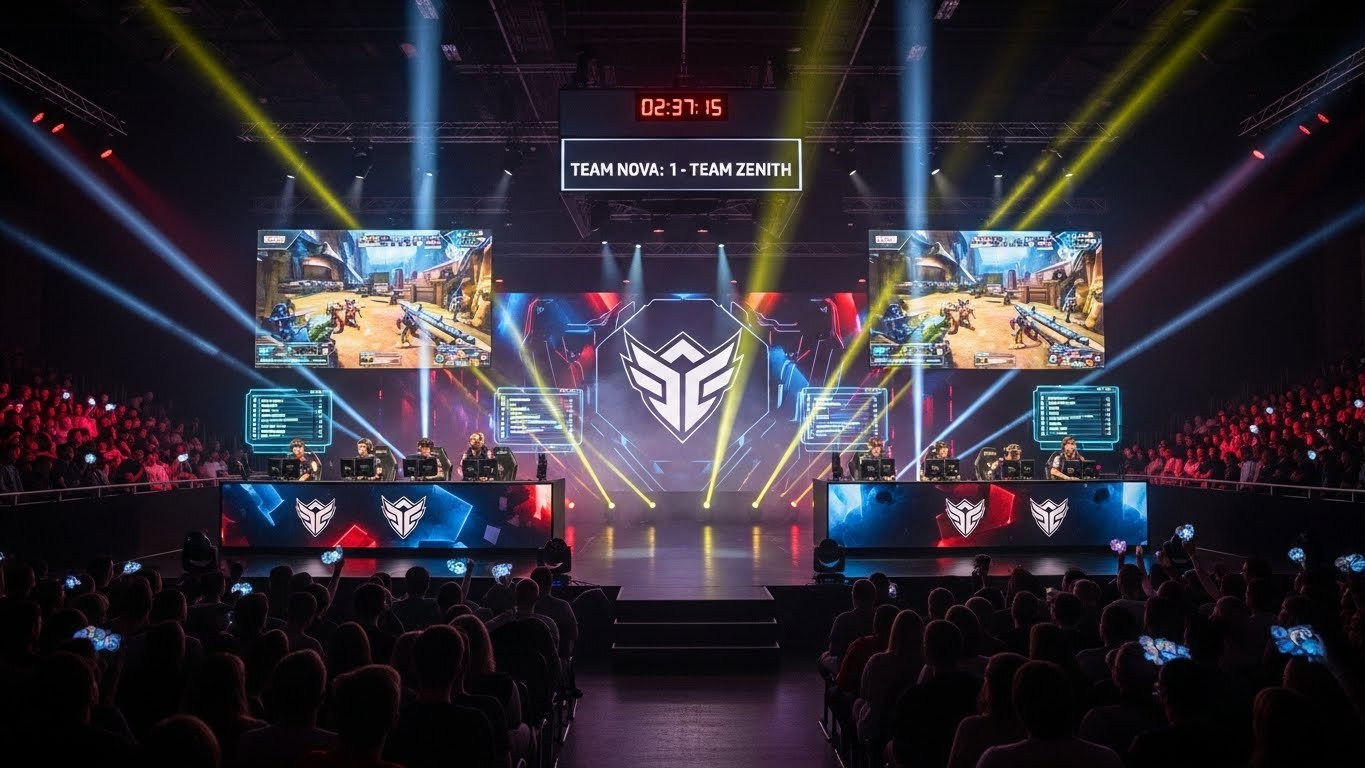
Esports, once a niche interest, has rapidly evolved into a global phenomenon, captivating millions of players and viewers around the world. What started as informal LAN parties and modest competitions has transformed into an industry valued at billions of dollars. From the strategic depths of games like League of Legends to the high-speed intensity of Counter-Strike: Global Offensive, esports has made its mark as a legitimate form of entertainment. This blog delves into the rise of esports, its cultural impact, and what the future holds for competitive gaming.
The Origins of Esports
Esports, short for electronic sports, refers to organized, multiplayer video game competitions, particularly between professional players, individually or as teams. While gaming itself has existed for decades, the concept of esports truly began to take shape in the late 1990s and early 2000s. The first notable competitions emerged around games like StarCraft, Quake, and WarCraft III. These early tournaments were small-scale affairs, often held in convention centers or at local gaming shops. However, as the internet became more accessible and broadband speeds improved, the scope of competitive gaming expanded exponentially.
The first major milestone in esports history was the formation of the Cyberathlete Professional League (CPL) in 1997. This was one of the first organizations to offer professional-level competition for games like Quake and Unreal Tournament. In the years that followed, more tournaments popped up, and the concept of competitive gaming began to take hold, particularly in Asia, where games like StarCraft became a national obsession in South Korea.
The Evolution of Esports: From Hobby to Industry
Over the past two decades, esports has transitioned from a fringe hobby to a mainstream industry. Several factors have contributed to this transformation:
1. The Growth of Streaming Platforms
One of the driving forces behind the growth of esports has been the rise of streaming platforms like Twitch and YouTube Gaming. These platforms allow gamers to broadcast their gameplay to a global audience, creating a direct link between players and fans. The real-time interaction between streamers and their followers has built a sense of community and excitement around competitive gaming. Twitch, in particular, has become a hub for esports broadcasts, with millions of viewers tuning in to watch professional tournaments, casual streams, and everything in between.
2. Advancements in Technology
Advancements in gaming technology, including better hardware and faster internet speeds, have made esports more accessible and enjoyable for both players and viewers. High-definition graphics, ultra-low latency connections, and powerful gaming PCs have elevated the overall experience. These technological improvements have also allowed for larger, more complex games that require skill, strategy, and teamwork—elements that are integral to esports.
3. Mainstream Acceptance
Esports’ entry into the mainstream entertainment landscape is evident through the increasing number of corporate sponsors and media partnerships. Brands like Intel, Red Bull, Coca-Cola, and Mercedes-Benz have recognized the growing audience and invested heavily in esports events and teams. Additionally, traditional sports networks such as ESPN and TNT have begun broadcasting major esports tournaments, further solidifying its place in popular culture.
4. Esports as a College Sport
The recognition of esports as a legitimate form of competitive entertainment has even extended to academia. Many universities and colleges now offer scholarships for esports athletes, and some have developed full-fledged esports programs. This shift has provided young players with a career path in gaming, ensuring the longevity and growth of the industry.
Key Esports Titles Shaping the Scene
Esports is not just about playing video games—it’s about the games themselves. Certain titles have become synonymous with the esports movement, drawing large competitive communities and global followings. Some of the most influential esports games include:
1. League of Legends
League of Legends (LoL), developed by Riot Games, is widely regarded as the most popular and influential esports title. The game’s annual World Championship attracts millions of viewers, making it one of the largest and most lucrative esports events in the world. LoL’s strategic depth and team-oriented gameplay make it an exciting and unpredictable game to watch, drawing fans from all over the globe. Its competitive scene has helped solidify esports as a mainstream sport.
2. Counter-Strike: Global Offensive
Counter-Strike: Global Offensive (CS:GO) is another cornerstone of the esports scene. A first-person shooter that has been around in various forms since the early 2000s, CS:GO features two teams of five players competing to plant or defuse bombs in a series of rounds. The game’s tactical nature, fast-paced action, and high skill ceiling make it a thrilling spectator sport. CS:GO tournaments often feature massive prize pools and have become iconic events in the esports world.
3. Dota 2
Dota 2, developed by Valve Corporation, is one of the most successful multiplayer online battle arena (MOBA) games in esports history. The Dota 2 International, held annually, is one of the largest esports tournaments in terms of prize money. The game’s deep strategic mechanics and unique hero abilities make it a challenging game to master, which is why it has attracted a passionate and dedicated player base.
4. Fortnite
Although Fortnite is not a traditional esports title in the same vein as LoL or CS:GO, its competitive scene has taken off due to its popularity among casual gamers. The battle royale genre, popularized by Fortnite, has introduced a new form of competition where players fight to be the last one standing. The game’s crossover with mainstream culture, as well as its frequent updates and collaborations with pop culture icons, has helped it become a major player in the esports world.
5. Overwatch
Blizzard’s Overwatch is a team-based, hero-shooter that quickly found a dedicated esports following with the creation of the Overwatch League (OWL). OWL is one of the first major attempts at establishing a city-based esports league, similar to traditional sports leagues like the NBA or NFL. The fast-paced action and unique characters make it an exciting game to both play and watch, further expanding the global esports landscape.
The Esports Ecosystem: A Multi-Billion Dollar Industry
Esports is no longer just a hobby or a niche interest—it is now a multi-billion dollar industry. The economic ecosystem surrounding esports includes a variety of sectors, such as:
1. Sponsorships and Advertising
Esports tournaments and teams attract a range of sponsors from diverse industries. Brands such as Nike, Coca-Cola, and Mercedes-Benz partner with top esports organizations, providing financial backing for teams and events. Advertising during streams and broadcasts also generates significant revenue, with advertisers keen to reach the engaged, often young, demographic that esports attracts.
2. Merchandising
Esports teams have become brands in their own right, with fans purchasing jerseys, hats, and other merchandise to support their favorite teams. These sales contribute significantly to the revenue of esports organizations. Additionally, some games offer in-game items, such as skins, which have become highly valuable in the esports community.
3. Media Rights
As esports continues to grow in popularity, media companies have recognized the potential for broadcasting rights. Television networks and streaming services now bid for the rights to air major esports events. The rise of dedicated esports networks, such as ESL and DreamHack, also plays a role in broadcasting live events and tournaments to a global audience.
4. Ticket Sales and Live Events
Many major esports tournaments are held in arenas, and the live events themselves attract thousands of spectators. Fans flock to these events not only for the thrill of watching high-level competition but also to experience the vibrant atmosphere surrounding esports. Ticket sales for these events contribute significantly to the overall revenue generated by esports.
5. Prize Money
Esports prize pools have exploded in size, with some tournaments offering prize money in the tens of millions of dollars. The largest prize pool in esports history was for Dota 2’s International 2018, which featured a staggering $25 million prize pool. This amount is on par with some of the biggest sporting events in the world, further demonstrating esports’ financial impact.
The Cultural Impact of Esports
Esports has become more than just a form of entertainment—it has had a profound cultural impact, particularly among younger generations. The rise of esports has helped to normalize gaming as a legitimate and respected activity. Many players have risen to the status of celebrities, with millions of followers on social media and sponsorship deals from major brands.
Esports has also fostered a sense of global community. Fans from different countries and cultures can connect over their shared love for a particular game or team. Esports events often feature international competitions, allowing players to showcase their talents on the global stage.
In addition to its impact on gaming culture, esports has also made waves in traditional sports. Former professional athletes, such as Michael Jordan’s son, have invested in esports teams. Some sports organizations have even explored the potential for partnerships with esports leagues, recognizing the overlap in their fanbases.
The Future of Esports
As esports continues to grow, the future looks bright. The increasing popularity of virtual and augmented reality (VR/AR) may open new doors for esports competitions, allowing players to compete in fully immersive environments. Additionally, as technology continues to improve, we may see even more advanced gameplay mechanics and graphics that make esports more exciting and accessible than ever before.
Esports is poised to become a significant part of mainstream entertainment, with more sponsorships, bigger prize pools, and a broader audience. The potential for esports to merge with traditional sports, media, and even education is enormous.