
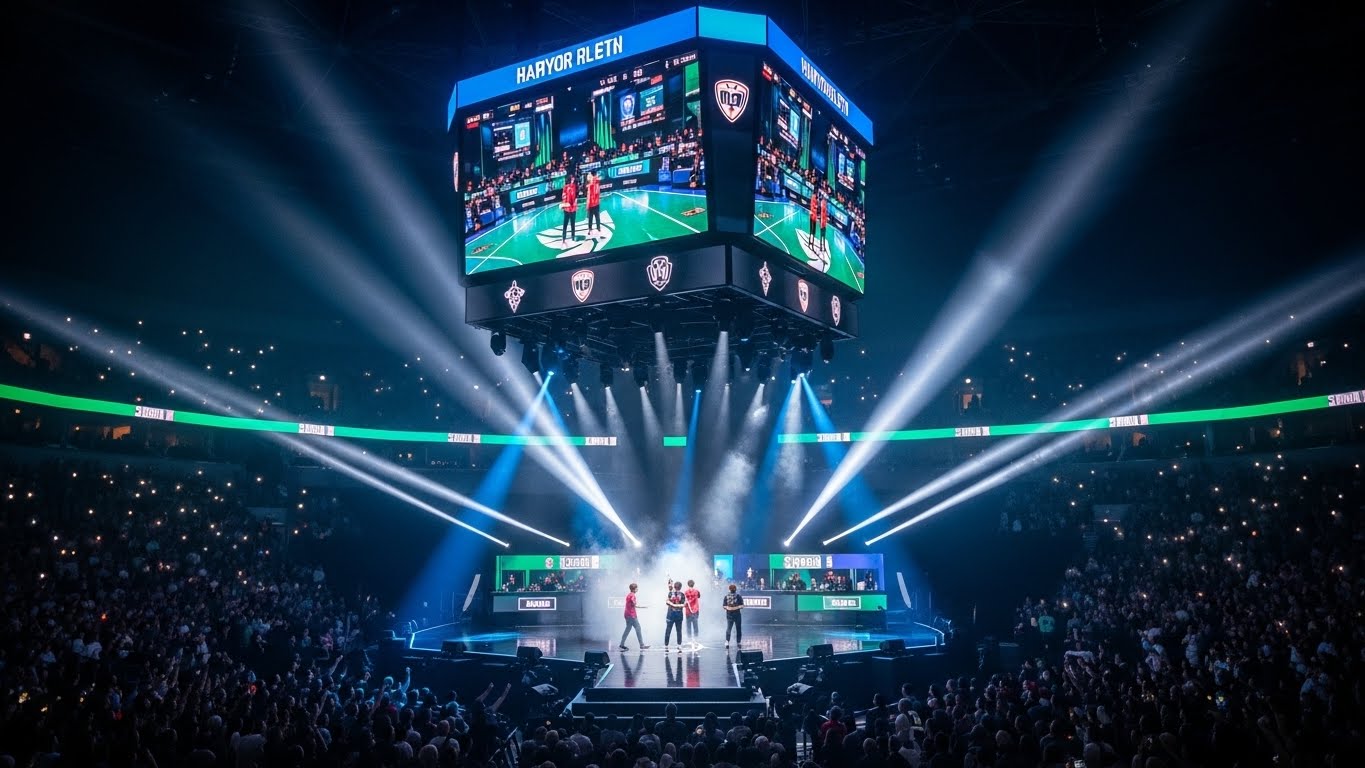
Introduction: The New Frontier of Competition
In the last decade, the world of gaming has undergone a profound transformation. What once was considered a casual hobby, confined to bedrooms and arcades, has evolved into a global phenomenon known as esports. Competitive gaming now attracts millions of viewers, offers lucrative career opportunities, and commands a level of professionalism that rivals traditional sports. Esports has become a unique cultural force, combining technology, entertainment, and competition in a way that resonates with the modern digital generation.
The rise of esports is not just about playing video games. It is about strategy, teamwork, discipline, and skill. Players spend countless hours honing their abilities, teams operate like professional organizations, and tournaments are broadcast worldwide, drawing fans who celebrate both the victories and the drama of the competitive scene. Esports has grown into an industry worth billions of dollars, and its influence continues to expand across entertainment, education, and business.
The Origins of Competitive Gaming
The story of esports begins long before professional leagues or massive online broadcasts. Early gaming competitions emerged in the 1980s and 1990s with arcade tournaments, local competitions, and early console matches. Games such as Pac-Man, Tetris, and Street Fighter inspired the first wave of competitive play. Players would gather in arcades or at home, competing for high scores or local championships, laying the groundwork for organized esports.
The real transformation occurred with the rise of online multiplayer games in the late 1990s and early 2000s. Titles like StarCraft, Counter-Strike, and Warcraft III created communities where players could compete on a global scale. These games introduced the concept of skill-based rankings, team strategies, and live competition, which are fundamental to modern esports. By allowing players from different regions to compete in real time, online gaming set the stage for the global esports ecosystem we see today.
Why Esports Captivates Audiences
Esports appeals to a unique audience that blends traditional sports enthusiasts with gaming culture. Unlike conventional sports, esports is accessible to anyone with an internet connection and a gaming device. This accessibility has expanded its reach, making it a truly global phenomenon.
The excitement of esports lies in its intensity and unpredictability. Each match requires precise skill, tactical thinking, and quick reflexes. Fans are drawn not only to the gameplay but also to the personalities of professional players. Just as sports fans cheer for their favorite athletes, esports fans follow their favorite players and teams, celebrating achievements and analyzing strategies. The combination of fast-paced action, strategic depth, and relatable heroes makes esports an engaging and immersive form of entertainment.
The Professionalization of Esports
One of the most remarkable aspects of esports is how quickly it has professionalized. Today, top players are no longer casual gamers; they are elite athletes with rigorous training schedules. Professional teams operate much like traditional sports organizations, with coaches, analysts, nutritionists, and psychologists supporting their players. Training can exceed eight to ten hours a day, focusing on mechanics, teamwork, communication, and mental preparation.
Esports organizations invest heavily in player development and infrastructure. Many maintain state-of-the-art training facilities, broadcast studios, and dedicated support staff to ensure their players perform at the highest level. Sponsorship deals, merchandising, and media rights have turned esports into a sustainable career path. Players earn salaries, prize money, and brand partnerships, which allow them to focus entirely on their performance. The professional ecosystem has created opportunities for thousands of individuals beyond players, including commentators, analysts, event organizers, and content creators.
The Global Esports Ecosystem
Esports is no longer confined to a single country or region. It has become a global phenomenon, with thriving communities in North America, Europe, Asia, and beyond. International tournaments attract millions of live viewers, while online streaming platforms allow fans to watch matches from anywhere in the world.
Games like League of Legends, Dota 2, Call of Duty, and Valorant have developed dedicated professional leagues, each with structured seasons, playoff systems, and world championships. These leagues are supported by major sponsors and broadcast networks, turning esports events into large-scale spectacles that rival traditional sporting events in production value.
Beyond professional play, esports has a vast amateur ecosystem. Community tournaments, online ladders, and college leagues provide entry points for aspiring players. Educational institutions now offer esports programs, scholarships, and training facilities, legitimizing competitive gaming as a viable academic and professional pursuit.
Economic Impact of Esports
The financial growth of esports is staggering. The industry generates billions of dollars annually through sponsorships, advertising, ticket sales, merchandise, and streaming revenue. Major brands recognize the value of esports in reaching a young, tech-savvy audience. Technology companies, beverage brands, apparel lines, and lifestyle products all partner with esports organizations to connect with fans.
Esports has also created new employment opportunities. Beyond players, the industry employs content creators, social media managers, tournament organizers, coaches, and technical specialists. This economic ecosystem has transformed esports from a hobby into a significant sector of the entertainment and technology industries.
Cultural Influence of Esports
Esports is more than competition; it is a cultural movement. It influences music, fashion, entertainment, and even education. Celebrities invest in esports teams, musicians perform at gaming events, and streaming personalities achieve widespread recognition akin to traditional media stars.
The community aspect of esports cannot be overstated. Fans engage with their favorite players through live chats, social media, and interactive content. Online communities foster discussion, strategy sharing, and fan-created content, creating a sense of belonging and connection. Esports culture also promotes diversity, creativity, and innovation, as players from different backgrounds come together to compete and collaborate.
Challenges Facing Esports
Despite its success, esports faces several challenges. Player burnout is a major concern, as the intense training and competitive environment can lead to mental health issues. Physical strain, such as repetitive stress injuries, is also common among professional gamers. Organizations must prioritize player welfare to ensure long-term sustainability.
Maintaining competitive integrity is another challenge. Cheating, match-fixing, and exploitation of game mechanics can undermine the credibility of tournaments. Robust regulation, monitoring, and fair-play policies are essential to preserve trust in the industry. Additionally, financial sustainability can be precarious, as not all teams and leagues maintain stable revenue streams. Strategic planning and diversified income sources are critical for long-term growth.
The Future of Esports
The future of esports promises even more growth and innovation. Emerging technologies such as virtual reality, augmented reality, and cloud gaming could revolutionize how fans experience matches. Viewers may one day immerse themselves in the game world, explore matches from multiple perspectives, or interact with players in real time.
Mobile esports is expected to drive expansion, especially in regions where access to consoles and PCs is limited. Mobile games open competitive opportunities to new demographics, increasing participation and audience engagement.
Esports may also continue to merge with traditional sports. Some professional sports organizations are investing in esports teams, and collaborations between athletes and gamers are becoming more common. Educational institutions will likely expand esports programs, integrating them into academic curricula and creating structured career pathways for aspiring players.
Conclusion: Esports as a Defining Modern Phenomenon
Esports has transformed from a niche hobby into a mainstream global phenomenon. It represents the convergence of technology, entertainment, and competition, creating a unique platform for talent, creativity, and community. Players train as professionals, teams operate like corporations, and fans engage in ways that go far beyond traditional spectator sports.
The industry has economic, cultural, and social significance, shaping how people interact, learn, and entertain themselves. Esports is not just a trend; it is a defining feature of modern digital culture. Its impact will continue to grow as technology advances, audiences expand, and competitive gaming evolves.
In the digital age, esports has unleashed a new form of competition, one that challenges traditional notions of sport, entertainment, and achievement. As it continues to grow, esports will not only redefine gaming but also shape the future of global entertainment and digital interaction.