
Introduction: The Rise of Esports
Esports, or electronic sports, has transformed from a niche hobby into a global phenomenon that rivals traditional sports in both popularity and revenue. Once considered a pastime for casual gamers, esports now encompasses professional competitions, organized leagues, and multimillion-dollar prize pools. Players dedicate themselves to rigorous training, while fans follow teams with passion similar to that of football, basketball, or tennis enthusiasts. Beyond mere entertainment, esports is redefining how society perceives competition, technology, and digital culture. Its rapid growth reflects both the power of gaming and the cultural shift toward online communities and interactive media.
The Origins of Competitive Gaming
Competitive gaming has roots that stretch back decades. In the 1980s, arcade tournaments provided early platforms for players to showcase skill and strategy. Games like Pac-Man, Donkey Kong, and Street Fighter attracted local attention and small-scale competitive communities. The 1990s saw the emergence of LAN (Local Area Network) competitions, which allowed gamers to play together in a controlled environment. Titles like StarCraft and Counter-Strike became staples of early esports, drawing dedicated player bases and competitive tournaments. These early competitions laid the foundation for professional gaming, highlighting the combination of skill, strategy, and teamwork that esports demands today.
The Professionalization of Esports
Esports has evolved into a structured and professional industry. Players now train full-time, often spending eight to twelve hours a day practicing, reviewing gameplay, and developing strategies. Teams employ coaches, analysts, and support staff to maximize performance. Professional leagues such as the League of Legends Championship Series and Dota 2’s The International offer high production values and global exposure. Players earn salaries, sponsorships, and endorsement deals, elevating esports into a viable career path. Unlike casual gaming, professional esports requires discipline, teamwork, and mental resilience, reflecting the dedication needed to succeed in any elite sport.
Popular Esports Titles
A wide variety of games fall under the esports umbrella, each attracting unique audiences. Multiplayer Online Battle Arenas (MOBAs) such as League of Legends and Dota 2 emphasize strategic planning, coordination, and split-second decision-making. First-Person Shooters (FPS) like Counter-Strike: Global Offensive and Valorant focus on precision, reflexes, and teamwork. Fighting games such as Street Fighter and Tekken emphasize technical skill and timing, while sports simulation games like FIFA and NBA 2K replicate real-world competition in a digital arena. The diversity of games ensures that esports appeals to a broad spectrum of players and fans, fueling its rapid growth worldwide.
Streaming Platforms and Fan Engagement
Streaming platforms have been a major driver of esports’ popularity. Services like Twitch and YouTube Gaming allow fans to watch live competitions, interact with players, and engage with the gaming community in real-time. Streamers, who often act as both entertainers and influencers, contribute to the ecosystem by showcasing gameplay, analyzing strategies, and creating a personal connection with their audience. Live streaming has transformed esports into an interactive experience, blurring the line between player and fan while creating new revenue opportunities through subscriptions, donations, and sponsorships.
Esports Tournaments and Global Events
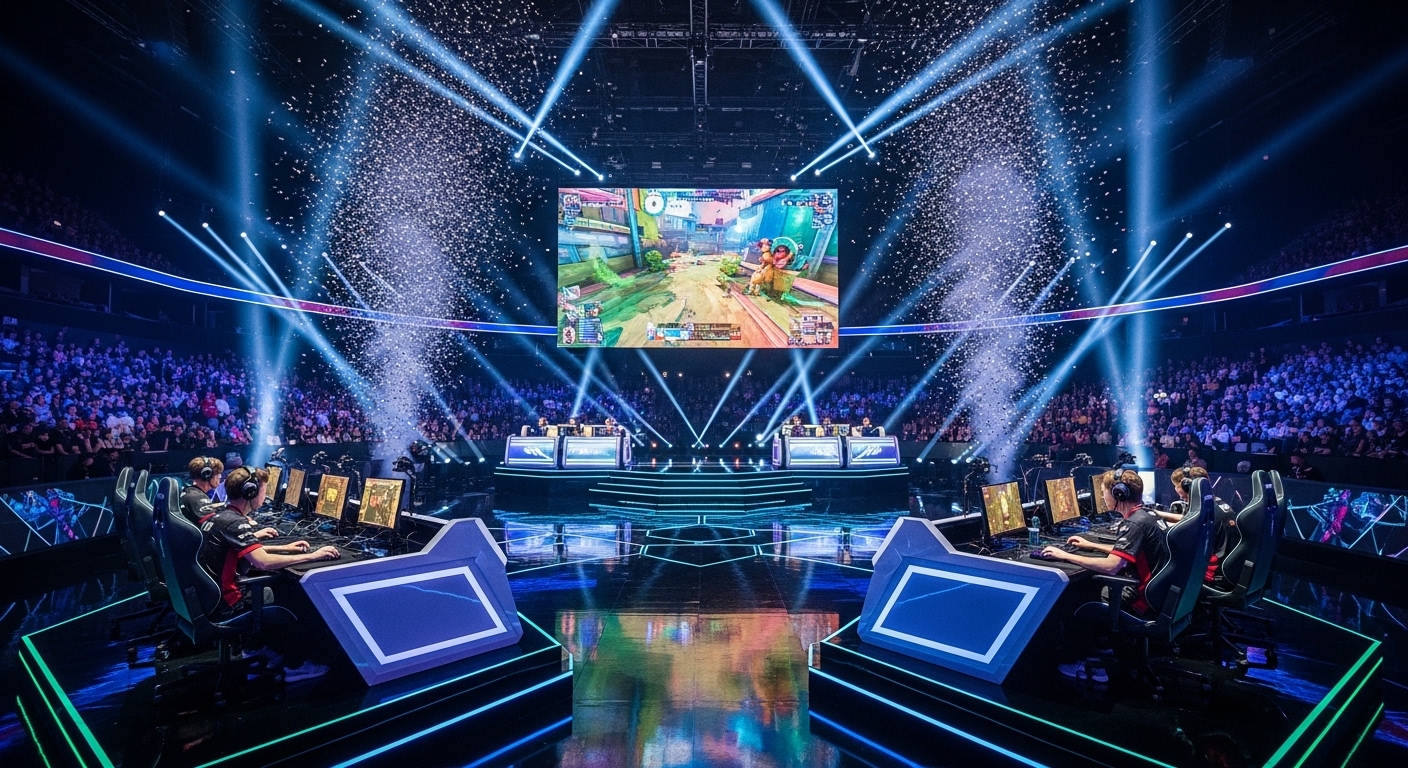
Major esports tournaments have evolved into high-profile spectacles with production quality rivaling traditional sports events. The League of Legends World Championship, The International for Dota 2, and the Fortnite World Cup attract millions of viewers globally. Prize pools reach millions of dollars, and professional teams compete for both prestige and financial reward. These tournaments are broadcast with live commentary, analytics, and immersive production design, creating a thrilling spectator experience. International competitions highlight esports’ global reach and the sense of community and shared excitement it fosters among fans.
The Economic Impact of Esports
Esports is a significant economic force, generating revenue through sponsorships, merchandise, advertising, and media rights. Brands from technology, energy drinks, and fashion sponsor players and teams, recognizing the marketing potential of esports’ dedicated and engaged audiences. Professional teams operate like traditional sports franchises, managing finances, merchandising, and marketing. Universities have begun offering scholarships for esports athletes, while career opportunities extend beyond playing to include coaching, event management, broadcasting, and game development. The economic footprint of esports continues to expand, solidifying its position as a mainstream industry.
Building Communities Through Esports
One of esports’ most powerful aspects is its ability to create communities. Online platforms, fan forums, and social media groups allow people to connect with others who share their passion. Fans discuss strategies, cheer for their favorite players, and follow competitive seasons with intensity. These communities extend beyond the game itself, creating social connections, friendships, and a sense of belonging. Esports fosters inclusivity by welcoming players and fans of different backgrounds, regions, and skill levels, making it a unifying force in digital culture.
Health and Wellbeing in Professional Gaming
While esports offers career opportunities and entertainment, it also presents health challenges. Players often spend long hours practicing in front of screens, which can lead to eye strain, repetitive stress injuries, and fatigue. Mental health is equally critical, as players face high-pressure environments, public scrutiny, and intense competition. Many professional organizations now focus on physical fitness, nutrition, and mental health support for players. Recognizing the holistic needs of esports athletes ensures that they maintain peak performance and longevity in their careers.
Esports in Education
Esports is increasingly recognized as an educational tool. Universities and colleges worldwide are creating programs in esports management, game design, and digital media. These programs teach teamwork, strategic thinking, leadership, and communication skills. Esports also encourages problem-solving, adaptability, and technological literacy. For students, participating in esports offers practical experience in a growing industry, while developing transferable skills applicable in business, technology, and creative fields.
Technology Driving Esports Innovation
The growth of esports is deeply intertwined with technological advancement. High-performance computers, fast internet connections, and advanced gaming peripherals enhance player performance. Data analytics and AI-driven tools allow teams to analyze strategies, study opponents, and optimize gameplay. Virtual reality and augmented reality are beginning to expand the possibilities for immersive esports experiences. Technology ensures that esports remains dynamic, innovative, and capable of evolving alongside the gaming community.
Challenges Facing the Esports Industry
Despite its success, esports faces challenges that must be addressed for sustainable growth. Regulatory frameworks are still developing, leading to concerns about player contracts, fair competition, and gambling. Online toxicity, cheating, and harassment remain prevalent issues in gaming communities. Additionally, career longevity and financial stability for players are ongoing concerns. Addressing these challenges requires industry-wide collaboration, effective governance, and a focus on ethical practices to ensure that esports continues to thrive responsibly.
The Future of Esports
The future of esports is promising. As technology advances, esports will become more immersive, interactive, and globally connected. Virtual reality competitions, AI-driven training tools, and advanced broadcasting techniques will enhance both player and spectator experiences. Esports may gain further recognition as a legitimate sport, with more countries offering official professional status to players. Its integration with mainstream media, education, and entertainment will continue to grow, solidifying esports as a permanent and influential aspect of modern culture.
Conclusion: Esports as a Cultural and Economic Force
Esports has evolved from casual gaming into a global industry that blends competition, technology, and entertainment. It provides career opportunities, builds communities, and generates significant economic value. Professional leagues, tournaments, and streaming platforms have brought esports into the mainstream, creating experiences that rival traditional sports. While challenges remain, including mental health, regulation, and community management, the potential of esports is undeniable. As it continues to grow, esports will shape how people view competition, entertainment, and digital culture, establishing itself as a defining feature of the 21st-century entertainment landscape.