
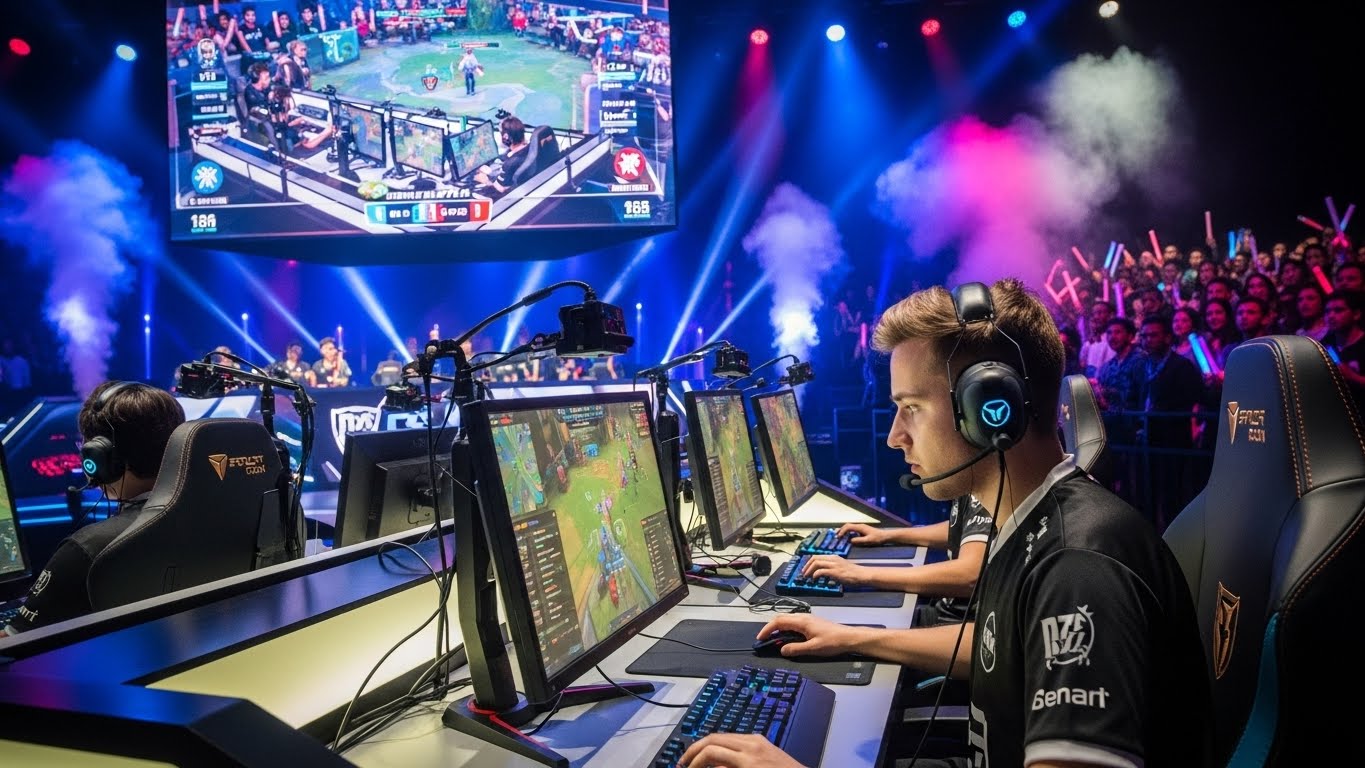
Esports has evolved from a niche interest to a global phenomenon, captivating millions of fans and players worldwide. From grassroots tournaments to massive international championships, the growth of esports is undeniable. But what exactly is driving this explosive expansion? What makes it different from traditional sports? And why is it so attractive to both players and fans alike? This blog post delves into the reasons behind esports’ rise, its cultural impact, and its future.
What Is Esports?
Esports, short for electronic sports, refers to competitive video gaming at a professional level. Unlike casual gaming, esports involves structured, organized tournaments where skilled players or teams compete for prizes, sponsorships, and recognition. These tournaments can range from small local events to massive global competitions with multi-million-dollar prize pools. The most popular games in esports include titles like League of Legends, Counter-Strike: Global Offensive (CS:GO), Dota 2, Overwatch, Fortnite, and Call of Duty.
At its core, esports combines the thrill of competition with the passion for video games. But it’s more than just playing for fun. Esports players dedicate hours every day to improving their skills, strategizing, and building their teams. This high level of commitment and dedication has led to the rise of professional leagues, sponsorships, and even universities offering scholarships for aspiring players.
A Brief History of Esports
Esports isn’t as new as many people think. The roots of competitive gaming can be traced back to the early 1970s, when games like Spacewar and Pong were first played in university settings. However, it wasn’t until the 1990s, with the rise of multiplayer games like Doom and StarCraft, that esports began to take shape as a formalized competitive sport.
The first major esports event took place in 1997 with the Red Annihilation tournament for Quake, where the winner, Dennis “Thresh” Fong, became one of the first esports superstars. The late 1990s and early 2000s saw the rise of online gaming platforms like Battle.net and LAN (local area network) parties, which allowed players to compete in real-time across the world. Games like Warcraft III and StarCraft laid the foundation for competitive gaming as a spectator event.
In the mid-2000s, esports began to gain real traction with the rise of games like League of Legends and Counter-Strike, which fostered global communities of players and spectators. Tournaments such as the World Cyber Games and Intel Extreme Masters became mainstream events, attracting sponsorships from major tech and hardware companies. By the early 2010s, esports was no longer a fringe activity; it had cemented itself as a legitimate entertainment industry with massive followings and big-money sponsorships.
The Appeal of Esports
What makes esports so appealing? To understand its rapid rise, we need to explore several factors that contribute to its growing popularity:
1. Accessibility
Unlike traditional sports, where physical ability and access to expensive equipment can be barriers, esports has a much lower entry point. All you need is a computer or gaming console and an internet connection. This accessibility has made it possible for anyone, anywhere, to engage with esports, whether as a player or a fan.
2. Global Community
Esports brings together people from different cultures and backgrounds. Whether you’re watching a Dota 2 match from North America or a League of Legends tournament in China, the global reach of esports is unprecedented. Esports transcends language barriers through the power of gameplay and has fostered an international community of fans who share the same passion.
3. Digital Spectatorship
The rise of streaming platforms like Twitch, YouTube, and Facebook Gaming has turned esports into a spectator sport in its own right. Fans can watch their favorite players and teams compete live from the comfort of their homes. Unlike traditional sports, where fans must attend stadiums or tune into broadcasted games, esports has brought competitions directly to people’s screens via streaming.
Streaming also allows fans to interact with players and other viewers in real-time. This interactivity—whether through live chats, donations, or direct engagement with content creators—creates a unique and dynamic fan experience that is hard to replicate in traditional sports.
4. Skill and Strategy
Esports is more than just pressing buttons on a controller. It requires an immense amount of skill, strategy, and teamwork. Much like traditional sports, esports players must practice relentlessly to hone their abilities and develop strategies. Whether it’s coordinating team movements in Counter-Strike or executing precise strategies in Dota 2, esports demands intelligence, reflexes, and communication. The competitive nature of esports draws parallels with traditional sports, where fans appreciate the mastery and skill on display.
5. Entertainment Value
Esports tournaments are not just about the games themselves; they are full-fledged entertainment spectacles. From elaborate opening ceremonies to live commentary, special effects, and celebrity appearances, esports events have embraced the modern concept of entertainment. Major tournaments, such as The International for Dota 2 or the League of Legends World Championship, are as much about spectacle as they are about the competition.
Esports Industry Growth
The esports industry is booming, with revenue figures skyrocketing year after year. In 2021, the global esports market was valued at over $1 billion, and it is expected to continue growing exponentially. Sponsorships from global brands like Coca-Cola, Nike, and Intel have brought significant investment into the industry. Major companies are looking to capitalize on the esports phenomenon, and brands are increasingly investing in esports as a way to engage younger, tech-savvy consumers.
Esports also has a massive impact on the gaming industry itself. Games that are designed for competitive play are often updated regularly, receiving patches and balancing changes to ensure fair competition. This helps maintain the longevity of esports titles, keeping players and fans invested for years. As new technologies like virtual reality (VR) and augmented reality (AR) continue to evolve, the future of esports holds even more exciting possibilities.
The Role of Streaming and Content Creators
One of the biggest drivers of esports’ popularity is the rise of content creators. Professional players, streamers, and commentators all contribute to the growing ecosystem of esports content. Platforms like Twitch, YouTube Gaming, and Facebook Gaming have revolutionized how people consume content.
Streamers like Ninja (Tyler Blevins), Shroud (Michael Grzesiek), and Pokimane (Imane Anys) have turned competitive gaming into a career. These personalities are not only exceptional gamers but also content creators who entertain millions of viewers. Their success has blurred the lines between professional esports players and online influencers, creating a new breed of celebrity that attracts even larger audiences.
In addition to professional players, commentators, also known as casters, play a crucial role in making esports engaging for viewers. Much like in traditional sports, casters provide real-time analysis, color commentary, and insight into the game’s mechanics and strategies. They help translate the intricacies of the game for viewers who may not be familiar with the technical details, enhancing the overall viewing experience.
Challenges and the Future of Esports
While esports has come a long way, it still faces its share of challenges. One of the most pressing issues is the health and well-being of players. The grueling practice schedules, long hours spent in front of screens, and the pressure of competition can take a toll on players’ mental and physical health. Esports organizations and governing bodies are beginning to recognize the importance of player health and have started implementing measures to ensure players have access to resources like coaching, therapy, and physical fitness programs.
Another challenge is the issue of sustainability. While the esports industry is growing rapidly, it still faces challenges related to its business model. Sponsorships, advertising, and prize money are the primary revenue streams, but as more brands enter the space, maintaining profitability without sacrificing the integrity of competitions remains a balancing act.
Despite these challenges, the future of esports looks bright. As new technologies emerge, esports is likely to become even more immersive and accessible. Virtual and augmented reality could revolutionize the way esports tournaments are played and watched, creating new opportunities for innovation. Additionally, esports is beginning to be recognized as a legitimate sport in some countries, with government organizations providing funding and support for the development of competitive gaming.
Conclusion
Esports is not just a trend or a passing phase; it is a cultural phenomenon that continues to grow and evolve. From its humble beginnings in the 1990s to its present-day status as a multi-billion-dollar industry, esports has captivated audiences around the world. Its appeal lies in the combination of skill, strategy, and entertainment, as well as its accessibility and global reach. Whether you’re a player, a fan, or an investor, there’s no denying the impact that esports has had on the world of entertainment and sports. As technology advances and the industry matures, the future of esports looks more exciting than ever.