
Introduction
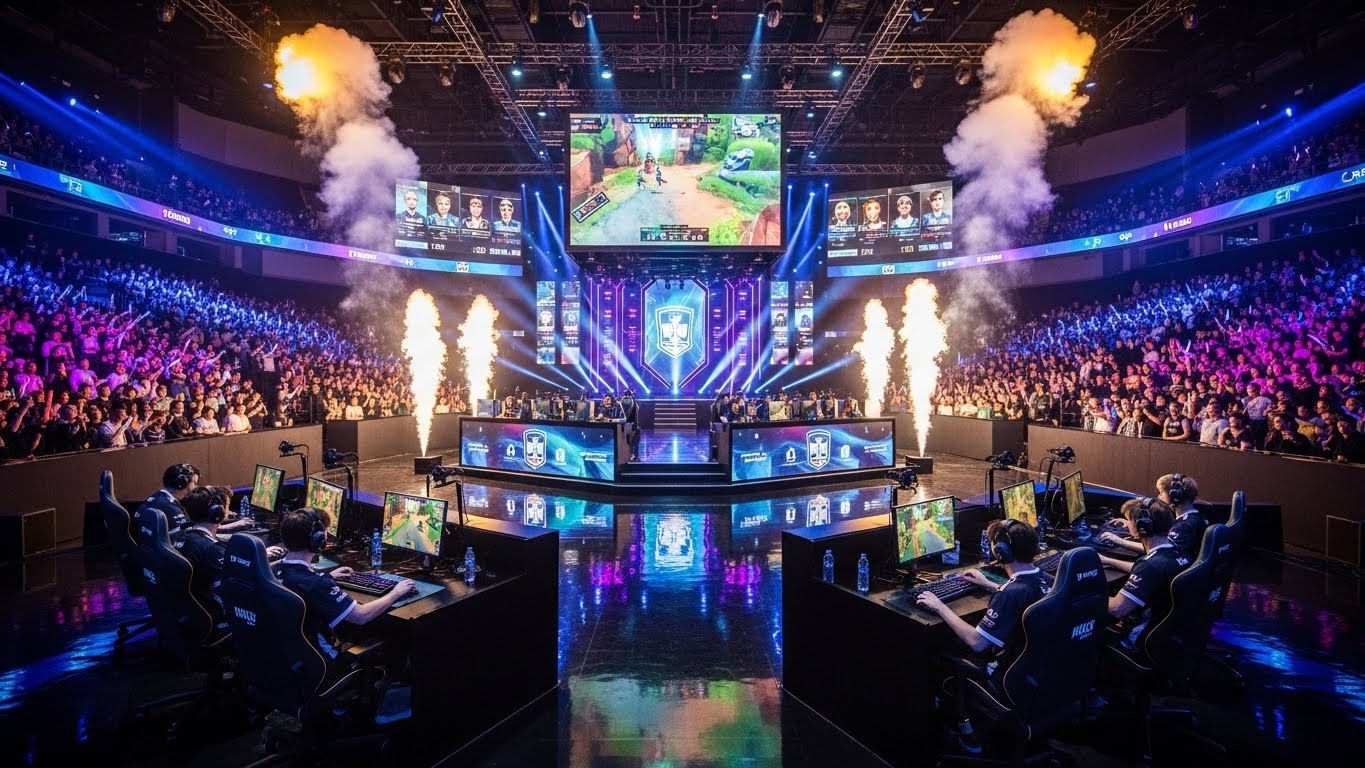
Esports, or electronic sports, has emerged as one of the most transformative forces in modern entertainment. What began as small gaming competitions among friends has evolved into a global industry attracting millions of viewers, professional players, and massive arenas filled with cheering fans. Esports represents a blend of passion, technology, strategy, and community, creating an experience that rivals traditional sports in intensity and cultural influence. This blog explores the evolution, impact, and future of esports, highlighting how it has reshaped the world of competition and digital entertainment.
The Origins of Esports
The idea of competitive gaming is not new. In the early days of computer technology, enthusiasts gathered to compete in simple games at university labs or arcades. These events were small, often informal, and driven purely by passion for the craft. What set esports on its path to global recognition was the rapid growth of video games in the 1990s and early 2000s.
As internet access expanded, multiplayer gaming became more common, allowing players from different regions to compete in real time. Classic titles laid the foundation for competitive gaming and introduced the concept of global tournaments. These early competitions were modest compared to today’s standards, but they marked the beginning of a movement that would soon explode in popularity.
The Evolution into a Global Industry
Esports has experienced exponential growth in the last two decades. Online gaming platforms enabled players to compete across continents, transforming local tournaments into worldwide events. As gaming technology advanced, so did the complexity and depth of competitive games. Developers began designing games specifically with esports in mind, ensuring balance, strategy, and continuous updates to keep competition fair and exciting.
Professional teams emerged, complete with coaches, analysts, managers, and training facilities. Players were no longer simply gamers; they became athletes dedicated to honing their skills through hours of daily practice. This professionalization elevated esports to new heights, drawing attention from mainstream media, brands, and entertainment companies.
What Makes Esports Unique
Esports stands apart from traditional sports due to the dynamic nature of gaming. Game mechanics can evolve with updates, strategies shift as new techniques emerge, and the digital environment creates a level playing field where anyone with skill and determination can compete.
Unlike many physical sports, esports does not require specific body types, physical strength, or age groups. It is accessible to people from all backgrounds, and its inclusivity has helped create a broad and diverse fan base. The strategic depth, fast-paced action, and unpredictable outcomes make esports engaging to watch and participate in.
The Skill and Discipline Behind Esports
The notion that gaming requires little skill is outdated. Competitive gaming demands precision, lightning-fast reflexes, strategic planning, and exceptional teamwork. Professional players train extensively, sometimes up to ten hours a day, refining their mechanical skills, studying opponents, and mastering in-game tactics.
Esports athletes also maintain strict routines, including physical conditioning, mental training, and nutritional balance. Cognitive abilities such as decision-making, memory, multitasking, and spatial awareness play crucial roles in high-level performance. This level of dedication mirrors the discipline seen in traditional sports athletes, challenging outdated stereotypes about gaming.
The Role of Technology in Esports
Technology is the backbone of esports. High-speed internet, powerful hardware, and advanced gaming platforms enable fast-paced competition and smooth gameplay. Streaming technology allows millions of viewers to watch tournaments live, breaking geographical barriers and creating global audiences.
Artificial intelligence, game analytics, and performance-tracking tools help players refine their skills and analyze strategies. Virtual reality and augmented reality promise to introduce new competitive formats, expanding the possibilities of what esports can become in the future. As technology evolves, esports will continue to push the boundaries of interactive competition.
Esports and Community Building
Community is at the heart of esports. Fans gather online and offline to share their passion for games, teams, and players. Online forums, social media groups, and team-based communities foster discussion, creativity, and collaboration. Many friendships and professional opportunities have formed within these digital spaces.
Live events bring players and fans together in thrilling, energetic environments. The atmosphere at esports tournaments mirrors that of traditional sporting events, complete with chants, cheers, and shared excitement. These events unite diverse groups of people under a common interest, creating a strong sense of belonging and cultural identity.
The Growth of Esports Viewership
Esports viewership has surged in recent years, rivaling major traditional sports in audience size. Millions of fans tune in to watch tournaments, celebrate their favorite teams, and witness unforgettable plays. The appeal lies in the combination of high-stakes competition, dynamic gameplay, and entertainment value.
Unlike traditional sports broadcasts, esports events often include interactive elements. Viewers can engage through live chats, participate in community polls, and even influence event features. This level of interaction enhances the fan experience and strengthens the connection between players and their audiences.
Esports as a Career Path
The rise of esports has opened the door to numerous career opportunities. Aspiring gamers now have the possibility of becoming professional athletes, but the industry extends far beyond playing. Commentators, analysts, coaches, managers, event organizers, marketers, and content creators all play essential roles in shaping the industry.
Universities and institutions are beginning to recognize esports as a legitimate career field, offering scholarships and academic programs dedicated to gaming and competitive studies. The growth of esports ensures that new career paths will continue to emerge, providing exciting opportunities for future generations.
Esports and Education
Esports has made its way into educational environments, where schools and universities use gaming to teach teamwork, strategy, and problem-solving. Competitive gaming clubs encourage students to collaborate, communicate, and develop leadership skills. Some institutions even develop varsity esports programs, giving students a structured path to pursue their gaming interests.
Gaming also serves as a tool for learning in academic subjects. Strategic games enhance critical thinking and decision-making, while collaborative games teach cooperation and time management. Through these educational benefits, esports fosters both intellectual and social development.
The Economic Impact of Esports
Esports contributes significantly to the global economy. Sponsorship deals, merchandise sales, ticketed events, and advertising partnerships generate substantial revenue. Cities that host major tournaments benefit from increased tourism and local spending.
Game developers and publishers also contribute to the economy by creating job opportunities across programming, design, marketing, and content production. The esports industry is not just about competitive gaming; it is a complex ecosystem supporting numerous professionals and businesses.
Challenges Facing Esports
Despite its growth, esports faces several challenges. Player burnout is a major concern due to the demanding training schedules and intense competition. Mental health support is becoming increasingly important as players navigate pressure and performance expectations.
Regulation is another challenge. Ensuring fair play, preventing cheating, and maintaining transparency require strict guidelines and enforcement. As esports continues to grow, the industry must balance innovation with fair competition and player welfare.
Additionally, the perception of gaming as a distraction or unhealthy activity still exists in some cultures. Education and awareness are essential to highlight the positive aspects of esports and address misconceptions.
The Future of Esports
The future of esports is bright and dynamic. Advancements in technology will enhance gameplay, spectator experiences, and training methods. Virtual reality may introduce new competitive genres, while cross-platform gaming will expand accessibility.
Esports will likely continue merging with traditional sports, creating hybrid events and collaborative competitions. As younger generations grow up immersed in digital culture, esports will become even more mainstream, influencing entertainment, education, and lifestyle.
Conclusion
Esports has evolved from a niche hobby to a global movement, reshaping competition, entertainment, and community. It represents the spirit of modern innovation, where technology and human skill converge to create something extraordinary. The dedication of players, passion of fans, and support of global communities continue to push esports forward, proving that digital competition is here to stay.
Esports is more than a game; it is a cultural revolution that reflects creativity, teamwork, and perseverance. As it grows and expands, it will continue to inspire new generations of digital champions.