
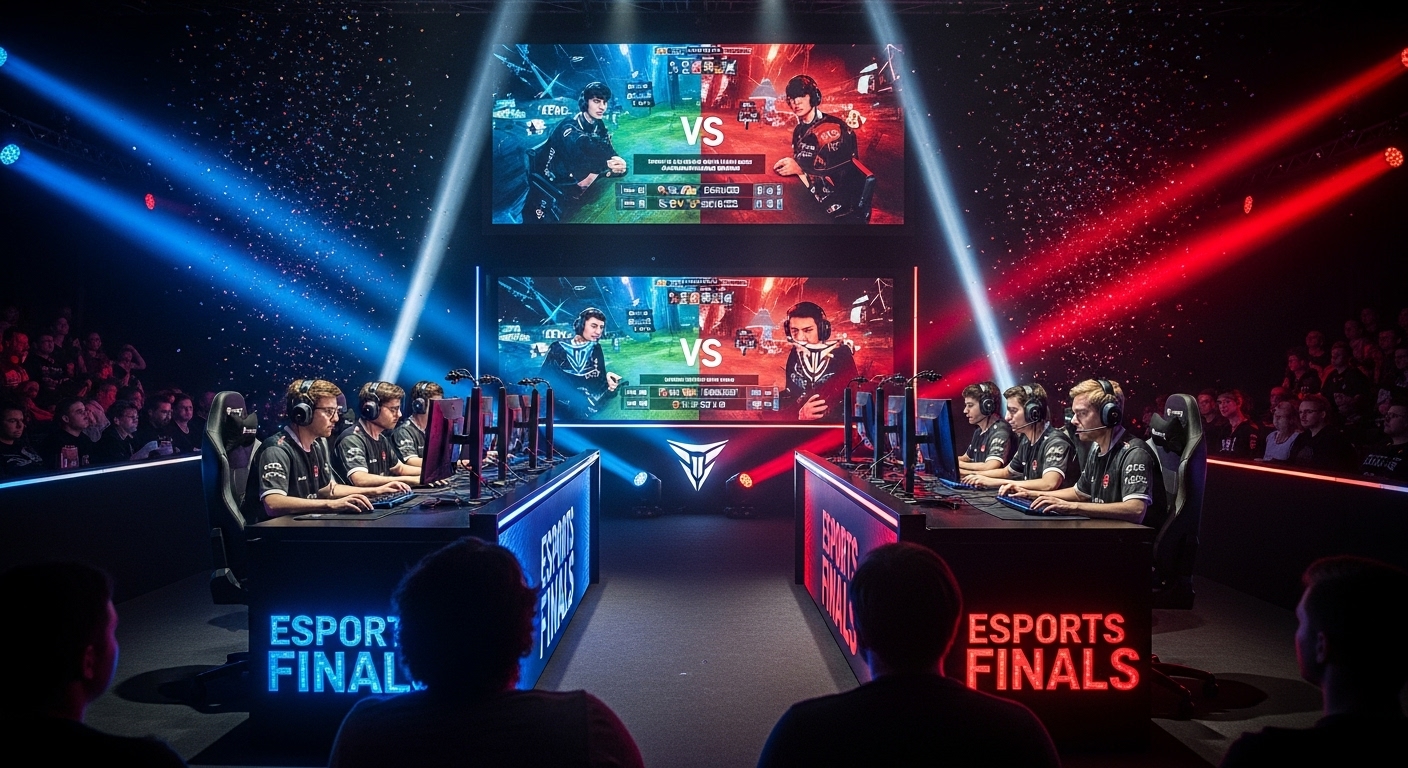
In the last decade, the world of competitive gaming, better known as esports, has experienced an unprecedented rise. What was once a niche hobby for a dedicated community has transformed into a global entertainment juggernaut, with millions of fans, multi-million dollar prize pools, and professional players being treated like celebrities. Esports is no longer just about playing video games; it has become a legitimate form of entertainment on par with traditional sports like football, basketball, and baseball. From packed stadiums hosting live events to millions of viewers tuning in from their homes, esports is quickly cementing its place in the mainstream entertainment industry. In this blog post, we will take an in-depth look at how esports became such a phenomenon, the key factors behind its growth, and the future of competitive gaming.
The Birth and Early Development of Esports
Esports as we know it today has its roots in the early days of multiplayer gaming. In the late 1990s and early 2000s, players gathered at local area network (LAN) parties to compete in games like Quake and StarCraft, marking the early stages of competitive gaming. These LAN events were informal and small-scale but provided a glimpse into the potential of competitive gaming on a larger scale.
The first major milestone in the evolution of esports came in 1997 with the creation of the Cyberathlete Professional League (CPL), one of the first competitive gaming leagues. The CPL hosted tournaments for games like Quake and Unreal Tournament and offered cash prizes to winners, laying the foundation for what would eventually become a thriving competitive gaming ecosystem.
Despite the growing interest in competitive gaming, esports still remained a niche pursuit throughout the early 2000s. However, the release of World of Warcraft in 2004 and the subsequent rise of games like Counter-Strike, Warcraft III, and StarCraft II helped lay the groundwork for organized, professional esports competitions. These games encouraged players to compete against one another in structured environments, and the burgeoning internet infrastructure allowed for global competition and streaming.
The Rise of Iconic Esports Titles
In the late 2000s, certain games began to rise above the rest as the foundation of modern esports. One of the most influential of these was League of Legends (LoL), released by Riot Games in 2009. LoL quickly gained massive popularity due to its engaging and strategic gameplay, free-to-play model, and constant updates. Riot Games took a proactive approach to growing esports by introducing the League of Legends Championship Series (LCS) in 2013, which became one of the first major professional leagues for esports. This move marked a pivotal moment in esports history, as it provided a clear path for professional players to compete in organized leagues, gain sponsorships, and earn a living.
Following in the footsteps of League of Legends, Valve’s Dota 2 also emerged as a key player in the esports scene. With the introduction of The International in 2011, Valve set the standard for large-scale esports tournaments, offering a prize pool that grew exponentially every year. By 2018, the prize pool for The International reached over $25 million, making it one of the most lucrative esports events globally.
Other games like Counter-Strike: Global Offensive (CS:GO) and Overwatch soon joined the ranks of major esports titles, with dedicated leagues and tournaments drawing massive crowds both in person and online. These games helped further legitimize esports as a professional activity, attracting both players and fans from around the world.
The Role of Streaming in Esports’ Growth
One of the most significant factors in esports’ growth has been the rise of live streaming platforms, most notably Twitch. Launched in 2011, Twitch allowed players and teams to broadcast their gameplay live to a global audience. This shift from traditional media to digital streaming platforms gave esports a level of visibility that was previously impossible. No longer confined to small LAN parties or local tournaments, esports competitions could now be watched by millions of fans across the globe.
Streaming has provided a unique platform for both professional players and amateur gamers alike. Professional players and teams can build personal brands and grow their fan bases through regular streaming sessions. For casual viewers, streaming platforms like Twitch offer a wide variety of content, including gameplay, commentary, and live interaction with players. This level of engagement has created a dedicated and passionate community around esports.
Moreover, streaming has allowed esports events to reach wider audiences. Major tournaments like the League of Legends World Championship and The International regularly attract millions of viewers, rivaling the viewership numbers of traditional sports events. The ability to watch events live, interact with other fans, and follow favorite players has made esports more accessible and engaging for fans worldwide.
The Business of Esports: Revenue, Sponsorships, and Media Rights
Esports has quickly become a multi-billion-dollar industry. Revenue is generated through several channels, including sponsorships, advertising, media rights, and ticket sales. Sponsorships have played a critical role in the growth of esports, with major global brands like Intel, Coca-Cola, Red Bull, and Audi investing heavily in the industry. These companies see esports as an opportunity to connect with younger, tech-savvy audiences who are often difficult to reach through traditional advertising channels.
One of the biggest drivers of revenue in esports is the increasing demand for media rights. As esports competitions grow in popularity, major broadcasters and streaming platforms have sought to acquire the rights to air these events. In recent years, platforms like ESPN and Turner Sports have begun broadcasting esports tournaments, further legitimizing esports as a mainstream form of entertainment. These media deals bring in substantial revenue for both game developers and tournament organizers, and they provide fans with easier access to major events.
In addition to media rights and sponsorships, esports also generates revenue from ticket sales and merchandise. Major esports tournaments and leagues regularly sell out large arenas, with fans eager to watch their favorite players and teams live. Merchandise, such as team jerseys, posters, and other branded goods, also contributes to the financial success of esports organizations.
The Players: Pro Athletes of the Digital Age
Just like traditional sports, esports has created professional players who train for years to hone their skills and compete at the highest level. These players are often treated like celebrities, with massive fan followings and sponsorship deals with top brands. They are the stars of esports, competing in high-stakes tournaments for prize money, fame, and glory.
Esports players typically train for long hours each day, practicing their skills, analyzing game footage, and developing strategies to outsmart their opponents. Professional players often join esports organizations, which provide them with coaching, salaries, and support staff to help them stay at the top of their game. These organizations manage all the logistics of tournament participation, sponsorships, and team dynamics, allowing players to focus solely on their performance.
Many esports players have also embraced social media platforms like Twitter, Instagram, and YouTube to connect with their fans. These platforms provide fans with behind-the-scenes glimpses into the lives of their favorite players, as well as updates on upcoming events and tournaments. As a result, esports players have become influential figures in the gaming community, with some even venturing into business ventures, content creation, and entrepreneurship.
Esports and Traditional Sports: Bridging the Gap
In recent years, esports has started to blur the lines between traditional sports and competitive gaming. Major professional sports organizations have begun investing in esports, either by sponsoring events or by acquiring esports teams. For example, the NBA has partnered with the NBA 2K League, a competitive esports league based around the NBA 2K basketball video game. Similarly, European football clubs like FC Schalke 04 and Paris Saint-Germain have entered the esports world by fielding competitive teams in games like League of Legends and FIFA.
These partnerships between traditional sports and esports help bring legitimacy to the competitive gaming scene. Esports organizations are adopting professional management practices similar to those of traditional sports teams, with players, coaches, and analysts working together to maximize performance. This crossover has also led to esports being broadcast on traditional television networks, allowing older generations who may not be familiar with digital gaming to experience the excitement of esports firsthand.
The Future of Esports: Virtual Reality, Mobile Gaming, and Global Expansion
As esports continues to grow, the future of the industry looks incredibly promising. One of the most exciting developments in esports is the potential for virtual reality (VR) and augmented reality (AR) technologies to revolutionize how we experience competitive gaming. VR esports could offer players and fans a more immersive experience, with players competing in fully 3D virtual worlds and fans watching from a first-person perspective.
Mobile gaming is also expected to play a crucial role in the future of esports. With the proliferation of smartphones and tablets, mobile gaming has become more accessible to a wider audience. Games like PUBG Mobile and Arena of Valor have already seen massive success in regions like Southeast Asia, and this trend is likely to continue. Mobile esports could become a key area of growth, particularly in emerging markets where mobile devices are more common than gaming PCs or consoles.
Finally, esports is set to expand globally. While North America, Europe, and Asia have long been the centers of esports activity, regions like Latin America, the Middle East, and Africa are now emerging as key markets. This global expansion is opening up new opportunities for sponsors, players, and teams, and is helping to increase the overall popularity of esports worldwide.
Conclusion: Esports is Here to Stay
Esports has come a long way from its humble beginnings in the late 1990s. It has evolved into a global entertainment phenomenon, with millions of fans, professional players, and organizations participating in an ever-growing ecosystem. As technology continues to advance and new gaming platforms emerge,