
Introduction: The Digital Age of Sports
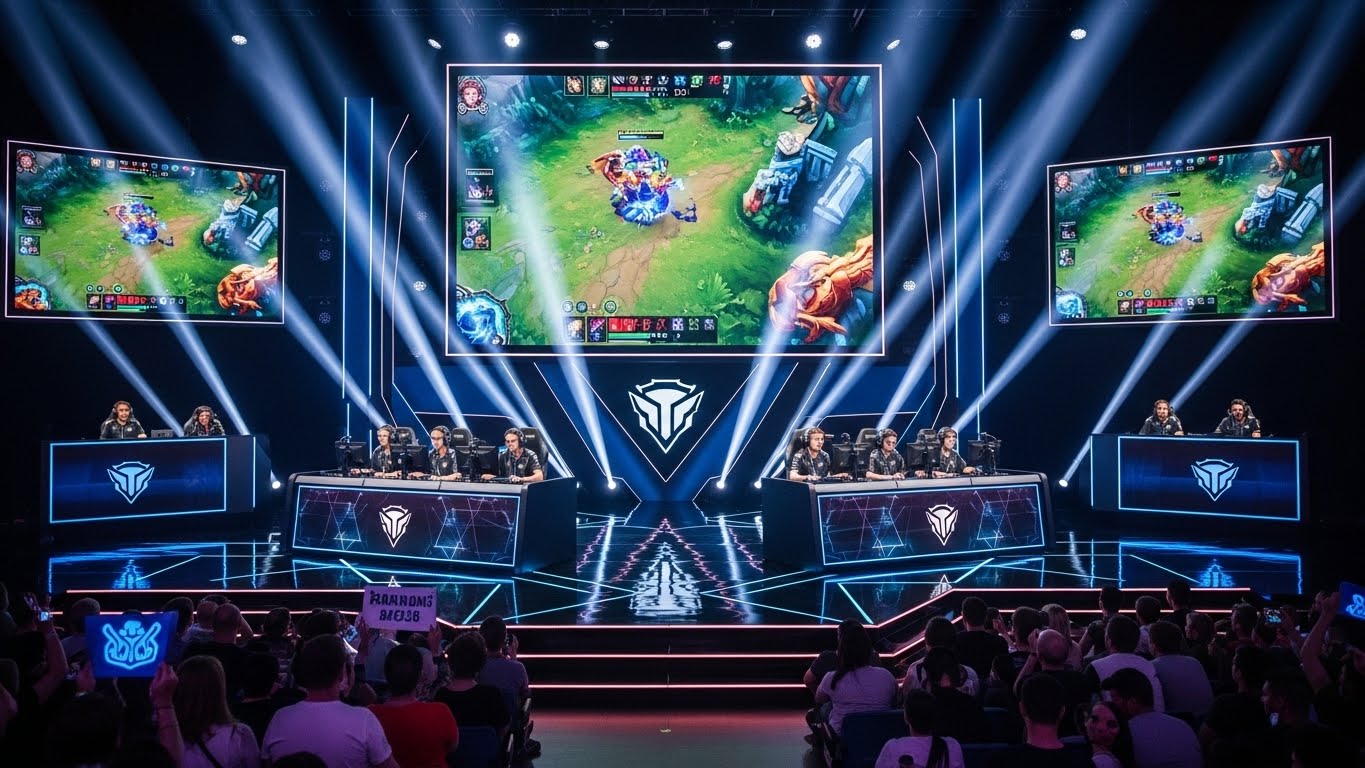
Esports has evolved from a niche hobby into one of the most prominent entertainment industries in the world. What once began as small gatherings of friends playing video games has expanded into a billion-dollar global phenomenon. Today, competitive gaming has its own ecosystem, complete with professional leagues, massive tournaments, dedicated fans, and sponsorships from major brands. Esports now rivals traditional sports in both cultural impact and financial reach, influencing not only the way we view entertainment but also how we perceive competition, skill, and community. In this blog, we’ll explore the history, growth, challenges, and future of esports, diving into its role in reshaping modern entertainment and career opportunities for millions.
The Birth of Competitive Gaming: A Look Back
The roots of esports can be traced back to the 1970s when the first video game competitions took place in small, localized events. One of the earliest examples was the 1972 “Space Invaders Championship,” which gathered thousands of participants in the United States. While these early events were relatively simple, they set the stage for what was to come. Throughout the 1980s and 1990s, competitive gaming slowly gained traction with games like “Street Fighter,” “Quake,” and “StarCraft.” As the internet expanded in the late 1990s, online multiplayer gaming became more accessible, allowing players to compete against each other across vast distances. By the early 2000s, major tournaments and the first professional teams began to form, marking the beginning of what we know today as esports.
The Rise of Major Esports Titles
Over the years, certain video game titles have become synonymous with competitive gaming. “StarCraft,” which gained massive popularity in South Korea, was one of the first games to showcase the potential of esports. Its complex strategy and fast-paced gameplay made it an ideal title for professional competition. In the mid-2000s, games like “Warcraft III” and “Counter-Strike” began attracting international attention, and the rise of popular multiplayer online games like “League of Legends” and “Dota 2” solidified the global appeal of esports. These games introduced complex team-based strategies, requiring both individual skill and collaboration, which added new layers of excitement to the competition. Esports organizations and major tournaments now revolve around these games, each boasting millions of active players and millions of viewers during major competitions.
Esports: The Competitive Spirit Reimagined
At its core, esports is about competition, but it’s not just about who can play the fastest or score the most points. Esports is a platform for showcasing strategy, teamwork, and mental fortitude. Much like traditional sports, esports requires preparation, dedication, and the ability to perform under pressure. Professional gamers train for hours a day, honing their skills and analyzing game mechanics. Just as a football team studies game footage and refines tactics, esports teams scrutinize in-game data, reviewing their matches, and learning from each experience to gain an edge over the competition. The professional level of play in esports is not simply about reflexes; it’s about understanding the game, anticipating the opponent’s moves, and outthinking your adversaries. This strategic depth is what makes esports so compelling to both players and viewers.
The Explosion of Esports Viewership and Streaming Platforms
One of the most significant factors in the rise of esports has been the emergence of live streaming platforms. Services like Twitch and YouTube Gaming have allowed viewers to watch competitive gaming in real-time, bringing esports directly into people’s homes. These platforms offer more than just viewing content; they create interactive experiences where fans can engage with players, ask questions, and even influence the outcome of the competition through live chats and polls. Streamers and professional gamers often build loyal fanbases who follow their every move, creating a sense of community that is unique to the digital world.
Esports events are now broadcast globally, with major tournaments such as The International (Dota 2’s annual championship), the League of Legends World Championship, and the Call of Duty League attracting millions of viewers. The ability to watch esports on platforms like Twitch has not only amplified the reach of professional gaming but has also turned esports personalities into celebrities, with some players earning millions through sponsorships, streaming income, and tournament prizes.
The Business of Esports: Sponsorship, Revenue, and Growth
Esports has evolved into a multi-billion-dollar industry. In addition to the prize money awarded to players, esports organizations earn substantial revenue from sponsorships, media rights, merchandise, and ticket sales for live events. Companies like Coca-Cola, Intel, and Nike have invested heavily in esports, sponsoring tournaments and teams, thus solidifying its place as a mainstream industry.
The financial stakes in esports are higher than ever. Prize pools for major tournaments now reach tens of millions of dollars, with the winners taking home substantial sums. For instance, The International 2019, the world championship for “Dota 2,” had a prize pool of over $34 million, one of the largest in esports history. In addition to sponsorships, media rights have also become a crucial revenue stream. Major broadcasting networks, such as ESPN and BBC, now air esports tournaments, attracting a wide audience beyond the traditional gaming community.
As the industry continues to grow, new business models are emerging. Teams, players, and content creators are now developing unique ways to monetize their influence, from personal streams to creating branded content and exclusive merchandise. With esports increasingly becoming a part of the global entertainment ecosystem, the opportunities for both players and businesses continue to multiply.
Esports as a Career: More Than Just Playing Games
While professional players have always been the face of esports, the industry has created numerous career opportunities that extend far beyond playing games. From team management to content creation, esports offers diverse career paths. Event organizers, video editors, marketers, social media managers, and analysts all play key roles in the esports ecosystem. The growing demand for professionals in esports has led to the creation of educational programs and certifications, with universities now offering specialized degrees in esports management, game design, and broadcasting.
The idea that gaming is just a pastime has been completely overturned by the rise of esports. Now, it is possible for someone to build a sustainable career in esports, not just through playing but by contributing in various professional capacities. As esports continues to grow, it will likely open even more doors for those with an interest in gaming, technology, marketing, and even psychology (as mental coaching is becoming an important aspect of player development). The notion of esports as a full-fledged career choice is reshaping the traditional understanding of work and entertainment.
Esports and Community: A Global Movement
Esports has become more than just a competitive activity; it is a cultural phenomenon that brings together players, fans, and creators from all over the world. The digital nature of esports allows anyone with an internet connection to participate, creating an inclusive environment for people from diverse backgrounds. Esports communities often transcend national boundaries, as players and fans from different countries gather online to share their passion for gaming. The rise of online platforms, tournaments, and fan clubs has created a global network of gamers who connect through shared interests, even if they are continents apart.
Furthermore, esports has become a powerful force for social connection. Streaming platforms and online forums provide a space for fans to discuss strategies, share gameplay tips, or simply enjoy the camaraderie of being part of a community. Fans and players engage in conversation about their favorite teams, games, and tournaments, forming bonds that are sustained online. The sense of belonging that esports fosters is one of the reasons why it has become such a deeply integrated part of modern culture.
The Future of Esports: What Lies Ahead?
As esports continues to evolve, the future promises even greater advancements in technology, viewer engagement, and global reach. Virtual reality (VR) and augmented reality (AR) are likely to revolutionize how esports is experienced, bringing immersive experiences to both players and fans. Advances in AI and machine learning will also allow for more sophisticated analysis and prediction of game outcomes, creating new layers of depth in esports strategy.
Another key area of growth will be the increasing inclusion of esports in the mainstream entertainment world. Traditional sports organizations are beginning to take notice of esports, with some integrating esports events into their broader marketing strategies. Additionally, the push for esports to be recognized as an official Olympic sport is gaining momentum. Should this happen, it could further elevate esports to the level of traditional sports, with even more global recognition and opportunities for players.
Challenges and Opportunities for Esports
Despite its rapid growth, esports faces several challenges. One of the biggest hurdles is ensuring a fair and inclusive environment for all participants. As the industry continues to scale, concerns around toxicity, harassment, and cheating have surfaced. Esports organizations must take proactive steps to maintain a positive environment for both players and fans.
Additionally, the mental health of professional players is an issue that needs more attention. The intense pressure, long practice hours, and constant competition can take a toll on a player’s well-being. With a growing focus on player health, we can expect more support structures for players, including mental health resources and better work-life balance in professional gaming.
Conclusion: The New Era of Competition and Entertainment
Esports has come a long way from its humble beginnings, evolving into a global industry that blends competition, entertainment, and culture. It has provided players with career opportunities, connected millions of fans worldwide, and created an entirely new space for digital entertainment. As esports continues to grow, it will reshape not only the world of gaming but also how we view competition, teamwork, and entertainment in the 21st century. The future of esports is bright, and we are just beginning to see its full potential unfold. The digital revolution is here, and esports is leading the charge.