
Introduction: The Evolution of Competitive Gaming
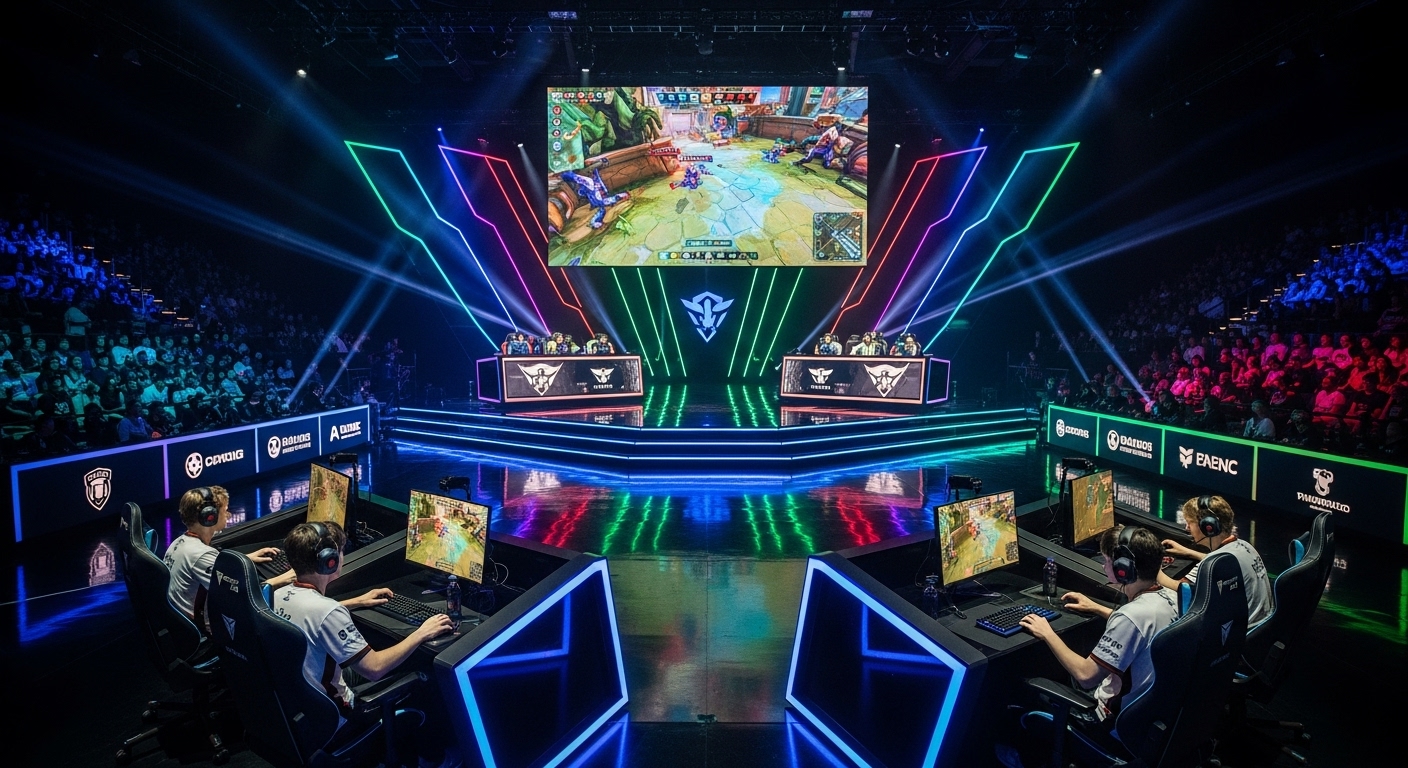
Esports, or electronic sports, has grown from a niche hobby into a global phenomenon, redefining the concept of competition for the digital age. While video games were once seen purely as entertainment, esports has transformed them into a professional arena where strategy, skill, and teamwork are celebrated. Millions of players, fans, and sponsors worldwide participate in this dynamic ecosystem, making esports a cultural, economic, and social force. This blog explores the rise of esports, its influence on society, its challenges, and the opportunities it presents for the future.
The Origins of Esports: From Arcades to Online Tournaments
The history of esports dates back to the late 1970s, when arcade competitions for games like “Space Invaders” and “Pac-Man” first emerged. These events offered players the chance to compete for recognition and small prizes. The 1990s introduced competitive PC gaming with titles such as “Quake” and “StarCraft,” which allowed players to connect via early networks and local area connections. The 2000s marked the arrival of online multiplayer games like “Counter-Strike” and “Warcraft III,” creating global esports communities. These developments laid the foundation for today’s professional esports ecosystem, complete with leagues, sponsorships, and large-scale tournaments.
What Esports Truly Is: Beyond Playing Video Games
Many people mistakenly view esports as merely playing video games, but it requires far more than casual entertainment. Professional esports demands sharp reflexes, quick decision-making, strategic thinking, and exceptional teamwork. Players train for hours daily to perfect mechanics, study opponents’ strategies, and refine team communication. Just like traditional athletes, esports competitors maintain rigorous schedules, focusing on mental acuity and physical health to ensure peak performance. The combination of skill, discipline, and competition makes esports a legitimate form of sport in the modern world.
Popular Esports Genres and Games
Esports encompasses a variety of game genres, each requiring unique skills. Multiplayer online battle arena (MOBA) games like “League of Legends” and “Dota 2” emphasize teamwork, strategy, and adaptability. First-person shooters (FPS) such as “Counter-Strike” and “Call of Duty” demand precision, reflexes, and tactical awareness. Battle royale games like “Fortnite” and “PUBG” focus on survival, quick decision-making, and creativity. Real-time strategy games challenge players to manage resources and make calculated decisions under pressure. Each genre attracts dedicated fan bases, contributing to the diversity and richness of the esports ecosystem.
Professional Esports: The Rise of Competitive Careers
Esports has grown into a structured industry with professional teams, coaches, analysts, and support staff. Tournaments such as the “League of Legends World Championship” and “The International Dota 2 Championship” attract millions of viewers and offer prize pools worth millions of dollars. Professional players adhere to rigorous schedules, practicing daily and analyzing opponents’ strategies. Esports careers extend beyond playing, including roles in coaching, content creation, event management, and team analytics. This professionalization has elevated esports athletes into cultural icons and influencers, inspiring a new generation of gamers.
The Economic Impact of Esports
Esports has become a multibillion-dollar industry, generating revenue through sponsorships, merchandise, ticket sales, advertising, and media rights. Brands target esports to reach younger, tech-savvy audiences, while streaming platforms allow players and organizations to monetize their content. The industry also creates numerous job opportunities beyond professional gameplay, including marketing, management, analytics, production, and commentary. Esports’ economic influence demonstrates its legitimacy as a business and highlights its potential for continued growth and investment worldwide.
Streaming and the Role of Digital Platforms
Streaming platforms are central to esports’ expansion. Services like Twitch and YouTube Gaming enable millions of fans to watch live matches, interact with players, and engage with esports communities. Streamers can turn gameplay into full-time careers, building loyal followings and creating content that extends beyond competitive play. Online platforms have democratized access, allowing aspiring players from anywhere in the world to showcase their talent and join professional leagues. Streaming has transformed esports into a shared global experience, fostering connection and engagement across communities.
Mental and Physical Demands of Esports
Esports may appear sedentary, but it places high demands on both mind and body. Players need exceptional concentration, strategic thinking, and split-second decision-making abilities. Physical well-being is equally important; long hours of practice can lead to strain or injury if not managed properly. Many professional teams incorporate fitness routines, mental coaching, and ergonomic practices to maintain peak performance. Esports combines cognitive skill and physical discipline, proving that it requires as much preparation and endurance as traditional sports.
Esports in Education
Esports is increasingly recognized as an educational tool. Schools and universities worldwide offer esports programs, scholarships, and dedicated facilities. These initiatives teach teamwork, communication, leadership, and problem-solving skills. Students can pursue careers in professional gaming, event management, streaming, or content creation. Integrating esports into education also encourages technological literacy, strategic thinking, and discipline, preparing students for future opportunities in gaming and digital industries.
Community and Social Impact
Esports fosters vibrant communities where players, fans, and creators connect over shared interests. Online forums, live chats, and social media platforms create spaces for mentorship, learning, and social interaction. Esports promotes inclusivity, allowing individuals from diverse backgrounds, cultures, and abilities to participate equally. Beyond entertainment, esports communities often engage in charitable activities, fundraising, and awareness campaigns. The social impact of esports demonstrates its potential to unite people, inspire collaboration, and promote positive societal change.
Women in Esports
Historically, esports has been male-dominated, but female participation is growing rapidly. Women are competing professionally, leading organizations, and building influential online presences. Efforts to promote inclusivity and representation are helping break down barriers and provide equal opportunities for female gamers. Prominent female esports players serve as role models, inspiring future generations to pursue careers in competitive gaming. The rise of women in esports reflects the industry’s potential for diversity, equality, and innovation.
Challenges Facing the Esports Industry
Despite its growth, esports faces significant challenges. Online harassment, toxicity, and excessive pressure on professional players can negatively affect mental health. Career longevity remains uncertain, and many players rely heavily on sponsorships and tournament earnings for financial stability. Balancing screen time, physical health, and social interactions is crucial, particularly for younger players. Standardized regulations, player welfare programs, and mental health support are essential to ensure sustainable growth and positive development in the esports ecosystem.
The Future of Esports
The future of esports is bright and full of potential. Virtual reality and augmented reality are creating immersive competitive experiences, while mobile esports is expanding access to a wider audience. Adaptive esports programs for players with disabilities are increasing inclusivity. Global recognition continues to grow, with discussions about esports as part of multi-sport events and potential inclusion in international competitions. Technological advancements, cultural acceptance, and increased professional opportunities ensure esports will continue to evolve, influence, and entertain audiences worldwide.
Conclusion: Esports as a Cultural and Competitive Force
Esports has grown from casual gaming into a powerful cultural, economic, and professional phenomenon. It combines skill, strategy, entertainment, and community in a way that resonates with today’s digital generation. Professional leagues, tournaments, and streaming platforms highlight its global reach and influence. Esports promotes teamwork, leadership, inclusivity, and technological literacy, shaping the next generation of competitors, creators, and fans. As the industry continues to expand, esports is proving that competition and passion thrive not only on traditional fields but also in digital arenas, redefining what it means to be an athlete in the modern age.