
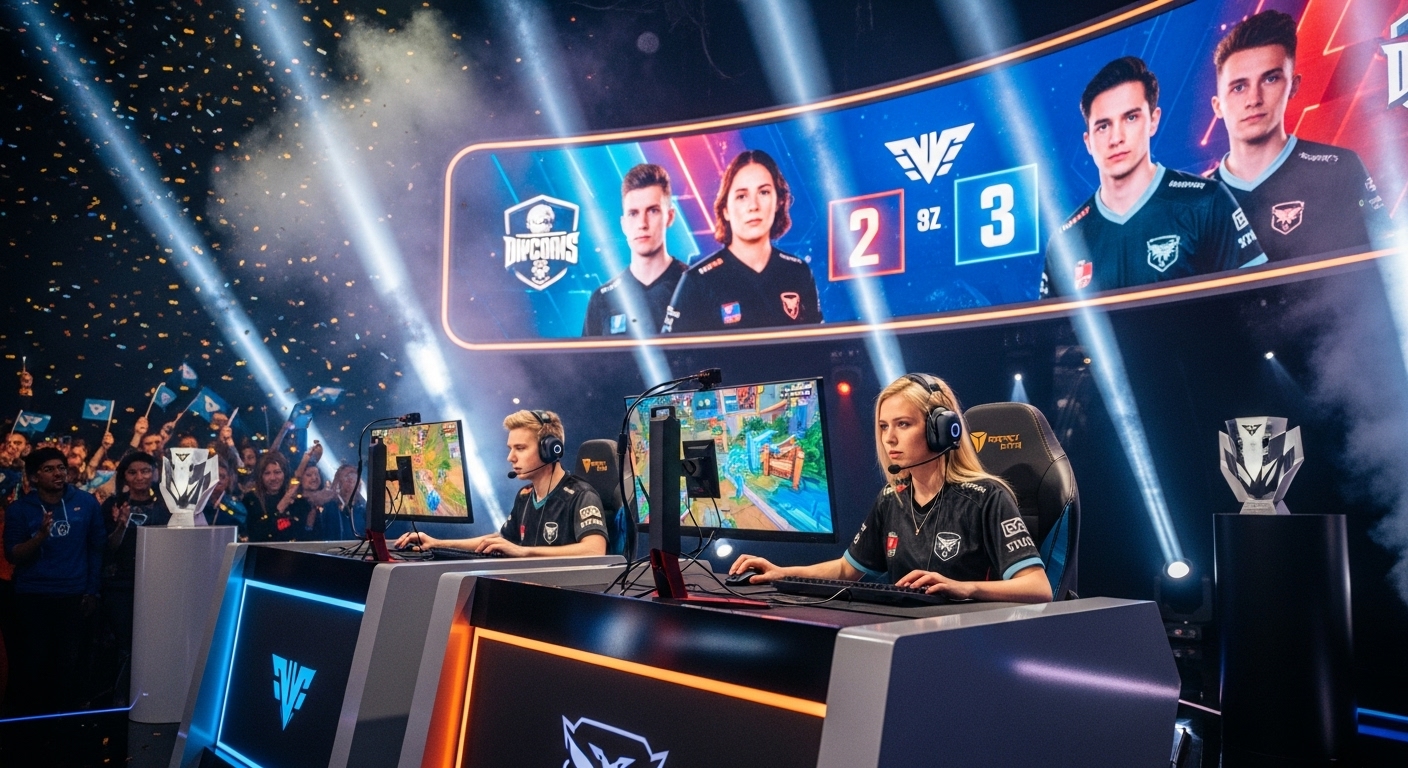
Introduction: The Digital Sporting Revolution
Esports, once considered a niche hobby, has exploded into a global phenomenon. Today, competitive gaming is more than just a pastime—it is a professional industry with players, teams, and tournaments attracting millions of viewers worldwide. The rise of esports marks a shift in entertainment culture, where digital competition stands shoulder to shoulder with traditional sports.
The Evolution of Esports
Esports began in small gaming competitions and local tournaments, often played in arcades or among friends. Over the years, it evolved into a structured, professional industry. International tournaments now fill arenas, broadcast to online audiences of millions, and feature prize pools that rival traditional sports championships. The rise of streaming platforms and social media has also allowed fans to connect with players in ways that were never possible before.
Popular Games in the Esports Arena
A wide variety of games form the backbone of esports. Multiplayer online battle arena games like League of Legends and Dota 2 are among the most popular, requiring teamwork, strategy, and fast reflexes. First-person shooters such as Counter-Strike and Valorant attract competitive players who excel in precision and quick decision-making. Other genres, including fighting games, sports simulations, and real-time strategy games, provide platforms for diverse skills and styles of competition.
The Life of a Professional Gamer
Esports players are not just gamers—they are professional athletes. Daily routines include rigorous practice, strategic analysis, and maintaining physical and mental health. Training sessions can last for hours, focusing on skill improvement, teamwork, and tournament preparation. Players also manage stress and pressure in high-stakes environments, developing resilience and focus akin to traditional sports stars.
Cultural and Social Impact
Esports has reshaped society’s view of gaming. Gaming is now recognized as a legitimate career path and form of entertainment. Communities of fans and players form around tournaments, streaming channels, and online forums. Esports has inspired educational opportunities, with universities offering scholarships and programs in esports management, game design, and digital media. Its influence extends into popular culture, fashion, and even music.
Challenges Facing the Industry
Despite its rapid growth, esports faces several challenges. Player burnout, online toxicity, and fair competition remain key concerns. The industry must also address regulatory issues and ensure sustainable growth for teams, players, and organizers. Balancing commercial success with ethical management will be crucial for esports to continue its upward trajectory.
The Future of Esports
The future of esports is bright. With increasing investment, technological innovation, and global interest, esports will continue to grow and diversify. Virtual reality, enhanced streaming experiences, and international tournaments will further elevate competitive gaming. As more people embrace esports as both a spectator sport and a career path, it is clear that this digital revolution is here to stay.
Conclusion: Redefining Competition
Esports has transformed the landscape of entertainment, merging technology, skill, and community. From small competitions to global tournaments, it has become a legitimate industry and cultural force. As esports continues to grow, it will redefine what it means to compete, inspire, and engage audiences in the digital age.