
Introduction: The Rise of Esports
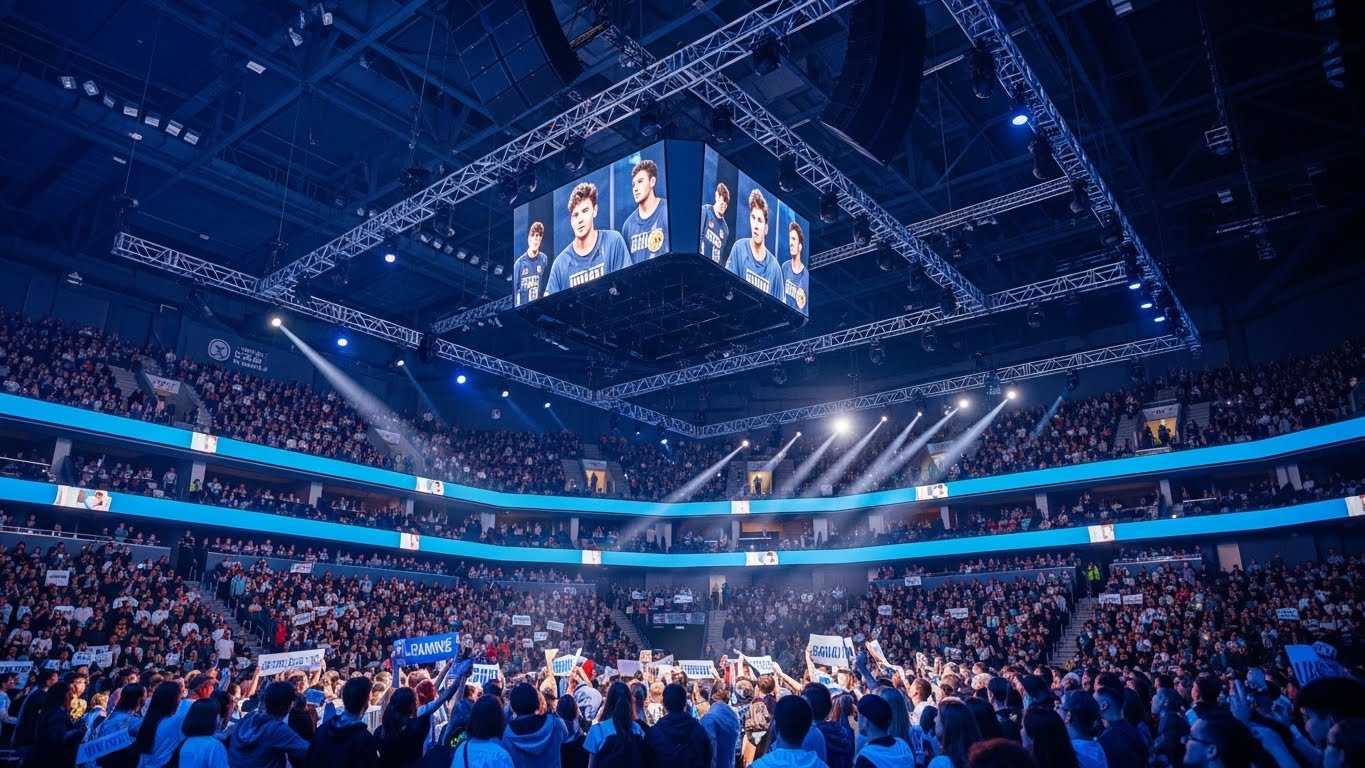
Over the past two decades, a cultural and economic shift has quietly transformed the world of entertainment and sports. What was once a niche activity, limited to basement gaming sessions and small-scale tournaments, has now evolved into a multi-billion-dollar industry. Esports, or competitive video gaming, is no longer just a hobby for a select group of players. It has become a global phenomenon, attracting millions of fans, professional organizations, and sponsors worldwide. From international championships to global streaming platforms, esports has created its own digital arena, drawing parallels with traditional sports in terms of viewership, engagement, and revenue. This blog delves into the incredible rise of esports, the ecosystem that supports it, its societal impact, and where the industry might be headed in the future.
The Beginnings of Esports: From Arcade Games to Global Competitions
The story of esports dates back to the early days of video gaming. In the 1970s and 1980s, arcade games like Pong and Space Invaders became the first platforms for competitive gaming. Players would challenge one another to achieve the highest score, and although these early competitions were informal, they set the foundation for a growing competitive gaming culture.
However, it wasn’t until the 1990s that the concept of esports truly began to take shape. As personal computers and consoles became more affordable and accessible, games like Doom and StarCraft introduced players to more complex, multiplayer experiences. These games encouraged online play, which allowed people from different locations to compete against each other in real time. Small tournaments started to emerge, and a community of competitive gamers began to form. But it wasn’t until the late 2000s, with the advent of faster internet speeds and the rise of online streaming platforms, that esports really exploded into a global spectacle.
The Growth of Esports: From Online Tournaments to Global Leagues
In the early 2010s, esports began its meteoric rise, thanks in large part to the development of games designed specifically for competitive play. Titles like League of Legends, Dota 2, Counter-Strike: Global Offensive, and Overwatch became the cornerstone of the competitive gaming world. These games were designed with tournaments and leagues in mind, allowing players to compete in structured environments and showcasing their skills to large audiences.
The rise of platforms like Twitch and YouTube played a pivotal role in esports’ success. These platforms allowed fans to watch live tournaments and streams from top players, creating a new form of entertainment that was interactive and engaging. Streamers and professional players built massive followings, turning gaming into not only a competitive sport but a viable career option for talented individuals.
As the industry grew, esports organizations began to emerge, investing in professional teams and players. Teams like Cloud9, Team Liquid, and Fnatic became household names, and with them came the formation of global leagues and tournaments. Major esports events like The International for Dota 2, League of Legends World Championships, and Overwatch League offered multimillion-dollar prize pools and attracted millions of viewers worldwide. Esports had officially become a global industry.
The Esports Ecosystem: Teams, Players, and Support Structures
At its core, esports is built on the foundation of professional players and teams, but the ecosystem that supports it is far more complex. Just as in traditional sports, a thriving esports scene relies on coaching, strategy, management, sponsorship, and broadcasting.
Professional Esports Teams and Players
Esports teams operate similarly to traditional sports teams. They recruit players who specialize in specific games, providing them with coaching, training facilities, and a structured environment to improve their skills. These players are highly dedicated, often spending anywhere from 8 to 12 hours a day practicing, strategizing, and competing in online tournaments. Success in esports is not just about individual skill but also teamwork, communication, and the ability to adapt to an ever-changing competitive landscape.
Professional players also engage in content creation. Many of the top esports athletes stream their practice sessions, tournaments, and day-to-day life on platforms like Twitch and YouTube, growing their personal brands and connecting with fans in real-time. This has allowed esports players to become celebrities in their own right, with millions of followers and lucrative endorsement deals.
Coaching and Support Staff
Just as with traditional sports, professional esports teams rely heavily on coaches, analysts, and support staff to help improve performance. Coaches analyze gameplay footage, develop strategies, and provide feedback to players on how to improve. Analysts break down the data to understand opponents’ playstyles and strengths, while psychologists help players maintain mental focus and avoid burnout. Behind every successful esports team is a network of professionals dedicated to ensuring that the players have everything they need to compete at the highest level.
Sponsors and Partners
Sponsorships are a critical component of the esports ecosystem. Major companies like Intel, Coca-Cola, Mercedes-Benz, and Red Bull have all invested heavily in esports, seeing it as a way to reach a younger, tech-savvy demographic. These sponsorships provide teams and tournaments with financial backing, enabling them to afford the infrastructure needed to host events, pay players, and grow the overall industry.
In addition to traditional sponsors, esports has seen an influx of technology companies and game developers themselves funding events and leagues. Game publishers like Riot Games, Valve, and Blizzard Entertainment play a significant role in organizing and financing major tournaments for their games, which has further cemented esports as an integral part of the gaming industry.
The Role of Streaming and Content Creation
Streaming is one of the most important elements in the world of esports. Platforms like Twitch, YouTube, and Facebook Gaming have revolutionized the way fans interact with competitive gaming. Unlike traditional sports, esports can be consumed in real-time across a wide range of devices, from desktop computers to mobile phones. Fans can watch live matches, interact with streamers, and even participate in live chats during events.
For many players, streaming has become a major part of their careers. By broadcasting their gameplay, players can generate revenue through ad revenue, sponsorships, and fan donations. This model has opened up new career pathways for aspiring players and content creators, allowing them to make a living by doing what they love: playing and streaming video games.
Esports and the Global Fanbase
Perhaps one of the most unique aspects of esports is its global fanbase. While traditional sports often rely on regional allegiances, esports fans come from all over the world, united by their love of gaming. Whether it’s watching a League of Legends tournament in North America or cheering for a Dota 2 team in Southeast Asia, esports is truly a global phenomenon.
This international appeal is made possible by the internet, which allows players and fans to connect in ways that were never possible with traditional sports. Fans from different continents can interact with one another, discuss strategies, and follow their favorite players and teams without geographical restrictions. Social media platforms have also played a pivotal role in building the esports community, with fans sharing memes, commentary, and gameplay clips on platforms like Twitter, Instagram, and Reddit.
Esports and Its Societal Impact
Esports has had a significant impact on society in several ways. On one hand, it has fostered a sense of community among players and fans, who often form close-knit groups centered around their favorite games or teams. In some cases, esports has provided young people with a sense of belonging and identity, particularly for those who may not participate in traditional sports or social activities.
Esports also has the potential to be a positive force for cognitive development. Many esports games require players to think critically, make quick decisions, and work as part of a team. These skills can transfer to real-world situations, helping players develop important life skills such as problem-solving, communication, and strategic thinking.
Additionally, esports has opened up new career opportunities for young people. Universities around the world are now offering scholarships for players, while esports management programs are helping to develop the next generation of coaches, analysts, and event organizers. The growing recognition of esports as a legitimate career path has allowed many individuals to pursue their passion for gaming in a professional capacity.
The Future of Esports: What’s Next?
The future of esports looks incredibly promising, with growth expected in several key areas. The continued development of mobile gaming is set to make esports even more accessible, particularly in emerging markets like Asia and Latin America. With the rise of mobile games such as PUBG Mobile and Arena of Valor, mobile esports is expected to become a dominant force in the coming years.
Virtual reality (VR) and augmented reality (AR) also hold the potential to revolutionize the esports experience. As these technologies become more advanced and accessible, they could create entirely new types of esports competitions, allowing players to immerse themselves in games in ways that were previously unimaginable.
Furthermore, the integration of esports with traditional sports is likely to continue. Major sports leagues and teams are already investing in esports, and this trend will only grow in the future. Esports could eventually become an integral part of the global sports landscape, with its own dedicated fanbase and industry infrastructure.
Conclusion: Esports Is Here to Stay
Esports has firmly established itself as a dominant force in the world of entertainment. From its humble beginnings in the 1970s to its current status as a multi-billion-dollar industry, esports has transformed into a global phenomenon that shows no signs of slowing down. As the industry continues to grow and evolve, it is clear that esports is here to stay, reshaping the way we think about competition, entertainment, and digital culture.