
Introduction: The Rise of Esports in the 21st Century
Over the past two decades, the world of competitive gaming, or esports, has evolved from a niche hobby into a multi-billion-dollar industry. What once began as informal tournaments between friends has now transformed into a global entertainment phenomenon, complete with professional teams, sponsorships, and millions of fans worldwide. Esports involves organized, multiplayer video game competitions, particularly between professional players, individually or in teams, across various game titles. The growth of esports has been unprecedented, and it’s not just about playing games anymore—it’s a cultural shift, where gamers and fans alike are united by a shared passion. In this blog, we will explore how esports has emerged, its impact on society, its economic potential, and where it’s heading in the future.
The Origins of Esports
Esports, like many other major cultural trends, has humble beginnings. Competitive gaming started in the 1970s and 1980s, with arcade games like Space Invaders hosting the first major competitions. However, it wasn’t until the late 1990s and early 2000s that esports truly began to take shape. Games like StarCraft and Warcraft created online communities where players could compete against each other, laying the foundation for esports as we know it today. The introduction of the internet allowed players from all over the world to engage in tournaments, further elevating the profile of esports. By the mid-2000s, esports had found a permanent place in the global gaming industry, with major games like League of Legends, Counter-Strike, and Dota 2 leading the charge.
Esports as a Multi-Billion Dollar Industry
Esports has grown into a massive industry, with revenue streams that range from advertising and sponsorships to ticket sales and merchandise. According to recent reports, the global esports market is expected to surpass $1.5 billion in revenue by the mid-2020s, showcasing its dominance within the entertainment industry. Key players in the esports ecosystem include game developers, broadcasters, esports organizations, sponsors, and players themselves. Esports events attract thousands of live spectators and millions of viewers via live streaming platforms such as Twitch, YouTube, and Facebook Gaming. Major events, such as the League of Legends World Championship and The International (Dota 2’s flagship tournament), are watched by millions, creating a new breed of entertainment that rivals traditional sports in terms of viewership.
The Growing Popularity of Esports Among Youth
One of the driving factors behind the meteoric rise of esports is its appeal to younger generations. The gaming community has long been dominated by a demographic of young, tech-savvy individuals, with players as young as 16 rising to prominence as esports stars. Esports has become a legitimate career path for those with the necessary skills and dedication, offering young people opportunities to pursue their passions and achieve recognition on the global stage. Additionally, the social aspect of esports has contributed to its growing popularity. Streaming platforms and social media have made it easier than ever for fans to follow their favorite teams, players, and events, further strengthening the relationship between gamers and their community.
Professional Esports: Teams, Players, and Tournaments
At the heart of esports is the professional scene, where players hone their skills and compete for large cash prizes, sponsorships, and global recognition. Professional esports teams, much like traditional sports teams, consist of players who specialize in specific games or game genres. These teams often have coaching staff, analysts, and managers who work to ensure that the players are at their best. For players, professional esports requires more than just talent—it requires dedication, practice, and strategy. Successful esports athletes train for hours each day, often playing up to 10 hours or more to maintain peak performance.
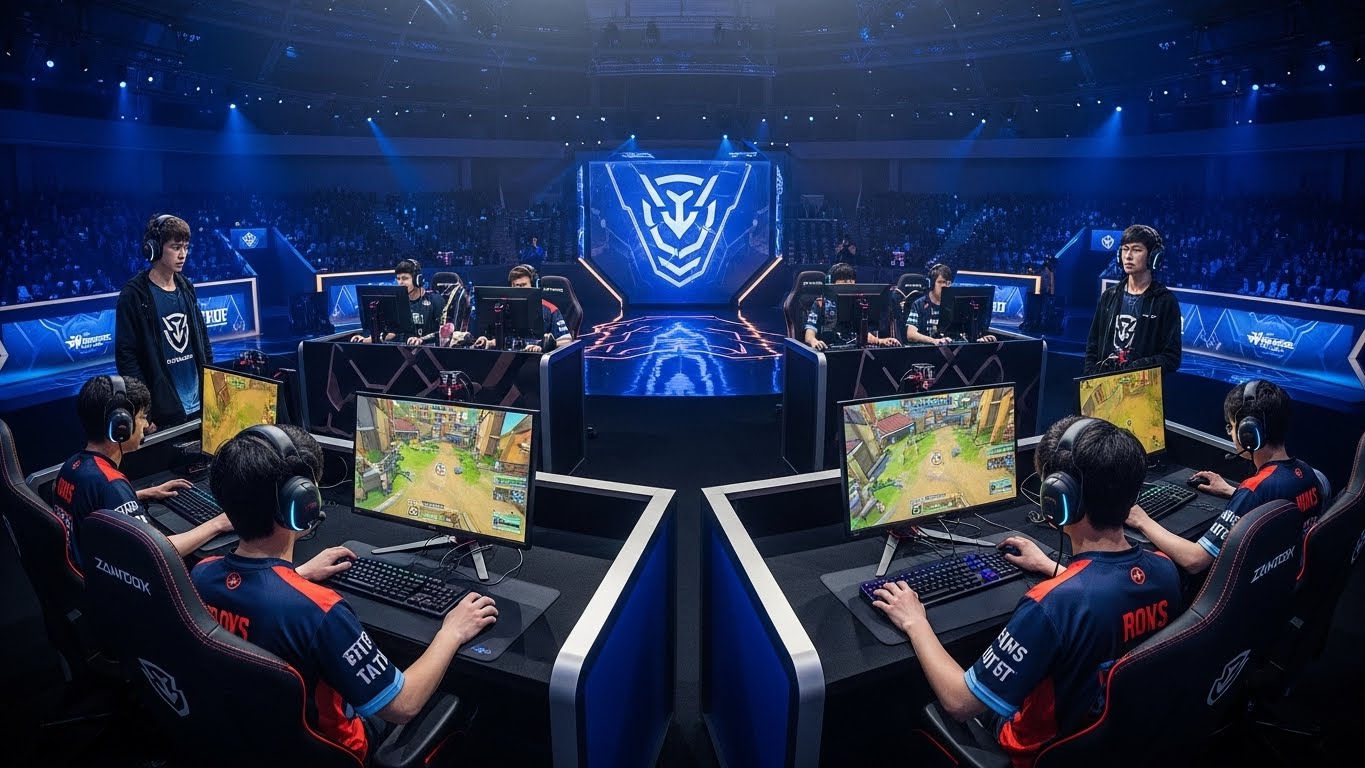
Esports tournaments are the pinnacle of competitive gaming, with some events offering millions in prize money. For example, The International, a tournament for the game Dota 2, regularly boasts prize pools of over $30 million, making it one of the most lucrative gaming events in the world. Esports tournaments are held in arenas that can hold tens of thousands of live spectators, while millions of viewers watch online through streaming platforms. These events are often broadcast in real-time, with expert commentators providing insights and analysis, making them accessible to anyone with an internet connection.
The Role of Streaming Platforms in Esports
The advent of streaming platforms has played a pivotal role in the rise of esports. Twitch, YouTube Gaming, and Facebook Gaming are just a few of the platforms that have revolutionized how esports content is consumed. These platforms allow gamers to broadcast their gameplay live to an audience, creating a real-time connection between players and fans. Esports organizations and tournament organizers also rely heavily on streaming services to broadcast their events to a global audience, sometimes reaching millions of viewers simultaneously.
Streaming has not only made esports more accessible but has also opened up opportunities for gamers to build personal brands and earn a living. Popular streamers and professional gamers can make money through sponsorships, donations, subscriptions, and ad revenue. Many esports professionals have turned their streams into full-time careers, leveraging their fanbase and their expertise in specific games to generate income.
Esports and Traditional Sports: A Convergence of Cultures
While esports is still considered a relatively new form of entertainment, its rise has sparked comparisons to traditional sports. One of the key areas where esports and traditional sports intersect is in the realm of sponsorships and media deals. Major companies like Coca-Cola, Red Bull, Intel, and Nike are increasingly investing in esports, seeing it as an opportunity to connect with younger, tech-savvy consumers. Additionally, sports media giants like ESPN have begun broadcasting esports events, further cementing its place in the mainstream.
In many ways, esports shares similar characteristics with traditional sports: intense competition, global tournaments, dedicated fanbases, and high levels of skill and strategy. However, there are also key differences. Esports requires a unique set of cognitive and hand-eye coordination skills, and because games are played on digital platforms, esports is more accessible to a global audience. While traditional sports events may have geographic limitations, esports transcends these barriers, allowing anyone with an internet connection to participate and watch.
The Impact of Esports on Education and Career Opportunities
Esports has even made its way into the educational system, with universities and colleges offering esports scholarships and creating competitive teams. Many institutions now offer dedicated esports programs, complete with training facilities, coaching staff, and academic courses focused on game design, esports management, and digital marketing. These programs provide students with the chance to turn their passion for gaming into legitimate careers, whether in playing, coaching, broadcasting, or event management.
Moreover, the rise of esports has created career opportunities in a wide range of industries, including media, technology, marketing, and design. Developers, analysts, commentators, marketers, and content creators are all essential components of the esports ecosystem, making it an attractive field for those with diverse skill sets. As esports continues to expand, the potential for career growth in the industry is virtually limitless.
Challenges and Controversies in Esports
While esports has seen incredible growth, it has not been without its challenges. One of the major concerns is the issue of player health, particularly related to long gaming sessions. The intense pressure and the physical strain of playing for hours can lead to injuries, burnout, and mental health issues. Many professional gamers struggle with stress, anxiety, and even depression, often due to the pressure to perform at a high level.
Another challenge is the need for regulation within the esports industry. With esports growing rapidly, there have been concerns about match-fixing, cheating, and unregulated gambling. Ensuring fairness and integrity within the competitive gaming community is crucial to maintaining the credibility of esports as a legitimate sport.
The Future of Esports
As esports continues to evolve, it is clear that it is here to stay. The industry is expected to grow exponentially, with new technologies such as virtual reality (VR) and augmented reality (AR) bringing even more immersive experiences to players and fans. Esports will continue to attract large audiences, and its integration with traditional sports media will likely increase, bringing esports further into the mainstream.
Additionally, as the competitive gaming scene matures, we will see more structured leagues, better player development programs, and more recognition for esports as a legitimate and professional career. The future of esports holds great potential, with opportunities for growth, innovation, and positive cultural impact.
Conclusion: Esports as the Future of Competitive Entertainment
Esports has evolved from a hobby into a global powerhouse of entertainment. It has redefined the concept of competitive gaming and opened new avenues for players, fans, and industries. Esports offers much more than just entertainment—it provides career opportunities, promotes community, and represents the future of sports in the digital age. As esports continues to grow, it will reshape how we think about competition, leisure, and even education, making it a truly transformative force in modern culture.