
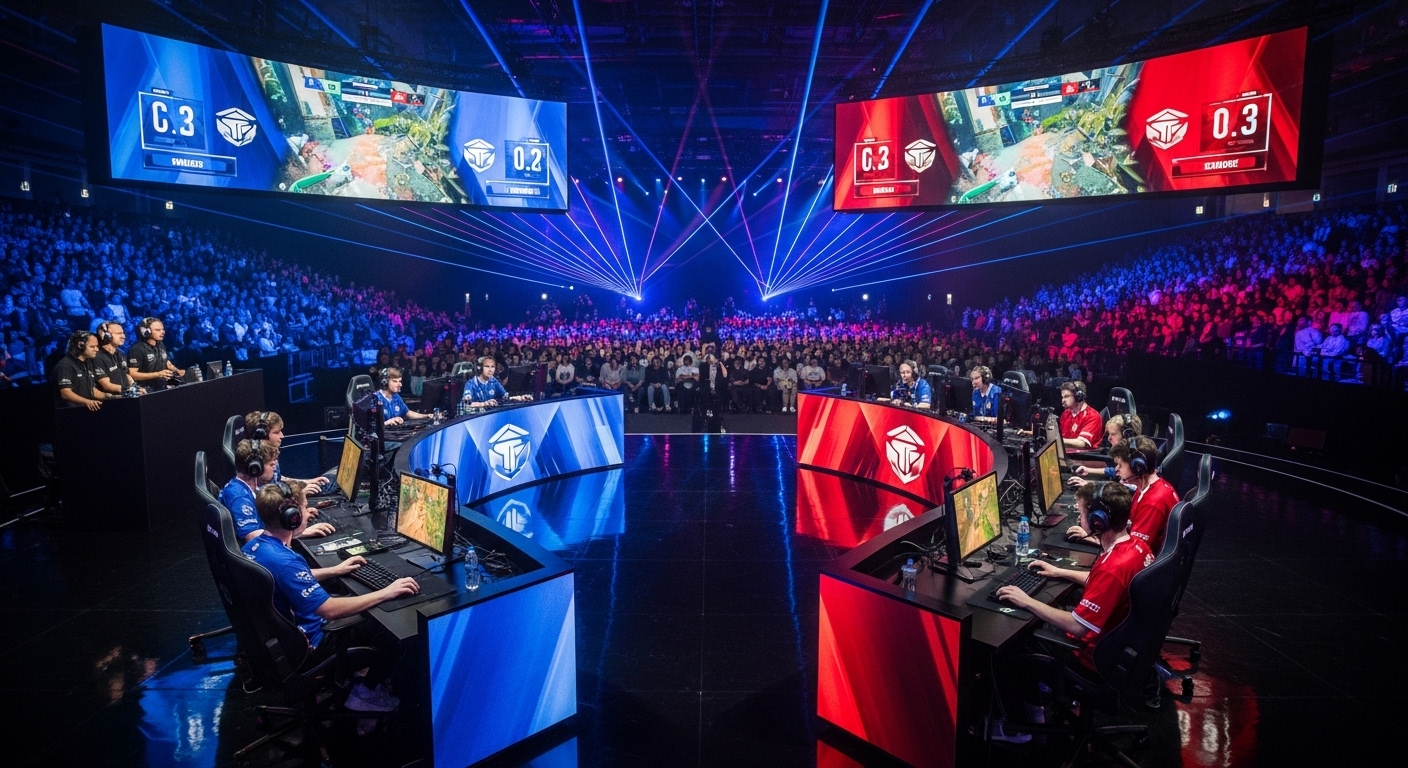
Esports has rapidly evolved from a casual gaming pastime into a professional, highly competitive global industry. It represents a new frontier in entertainment where video games become the battleground for skill, strategy, and teamwork. This transformation is reshaping how we view sports, competition, and digital culture.
What is Esports?
Esports, or electronic sports, refers to competitive video gaming where players or teams compete against each other in various game genres such as multiplayer online battle arenas (MOBAs), first-person shooters (FPS), and real-time strategy (RTS) games. Unlike traditional sports, esports competitions take place in virtual arenas, but they generate real excitement and demand similar levels of training and dedication.
The Growth of Esports Around the World
Over the last decade, esports has experienced explosive growth. It now attracts millions of viewers globally who follow major tournaments live, both online and in packed stadiums. Countries like South Korea and China pioneered this growth, with highly developed professional leagues. Today, North America and Europe also boast thriving esports scenes, contributing to the worldwide spread of this cultural phenomenon.
The Professional Scene: Players, Teams, and Tournaments
Professional esports players often train for hours daily to refine their skills. Like athletes, they rely on strategy, coordination, and quick reflexes to outperform their opponents. Teams are sponsored by large organizations and compete in prestigious tournaments with multi-million dollar prize pools. These events bring together top talent and passionate fans, creating a unique community atmosphere.
Economic Impact and Opportunities in Esports
The esports industry has become a lucrative market involving sponsorships, advertising, merchandise, and media rights. Big brands have recognized esports as an effective way to reach younger audiences. Additionally, new career paths are emerging, including game coaching, broadcasting, and event management, offering exciting opportunities beyond playing professionally.
Challenges Facing the Esports Industry
Despite its success, esports faces several challenges. Player burnout and mental health are concerns due to intense training schedules and high pressure. The industry is also working towards standardizing rules and ensuring fair play to maintain integrity. Establishing long-term career sustainability for players remains a vital goal.
Esports and Culture: Building Communities Beyond Competition
Esports has built strong, global communities where fans and players interact regularly. Streaming platforms enable players to engage with audiences directly, creating a culture of shared enthusiasm and creativity. This social aspect is central to esports’ appeal and has made it a key part of modern digital culture.
The Future of Esports: Innovation and Expansion
As technology advances, esports will continue to innovate. Virtual reality and augmented reality may revolutionize how games are played and viewed. Educational programs and institutional support for esports are increasing, further legitimizing its role in sports and entertainment.
Esports is not just a trend; it is a lasting revolution in how people compete, connect, and enjoy games worldwide.