
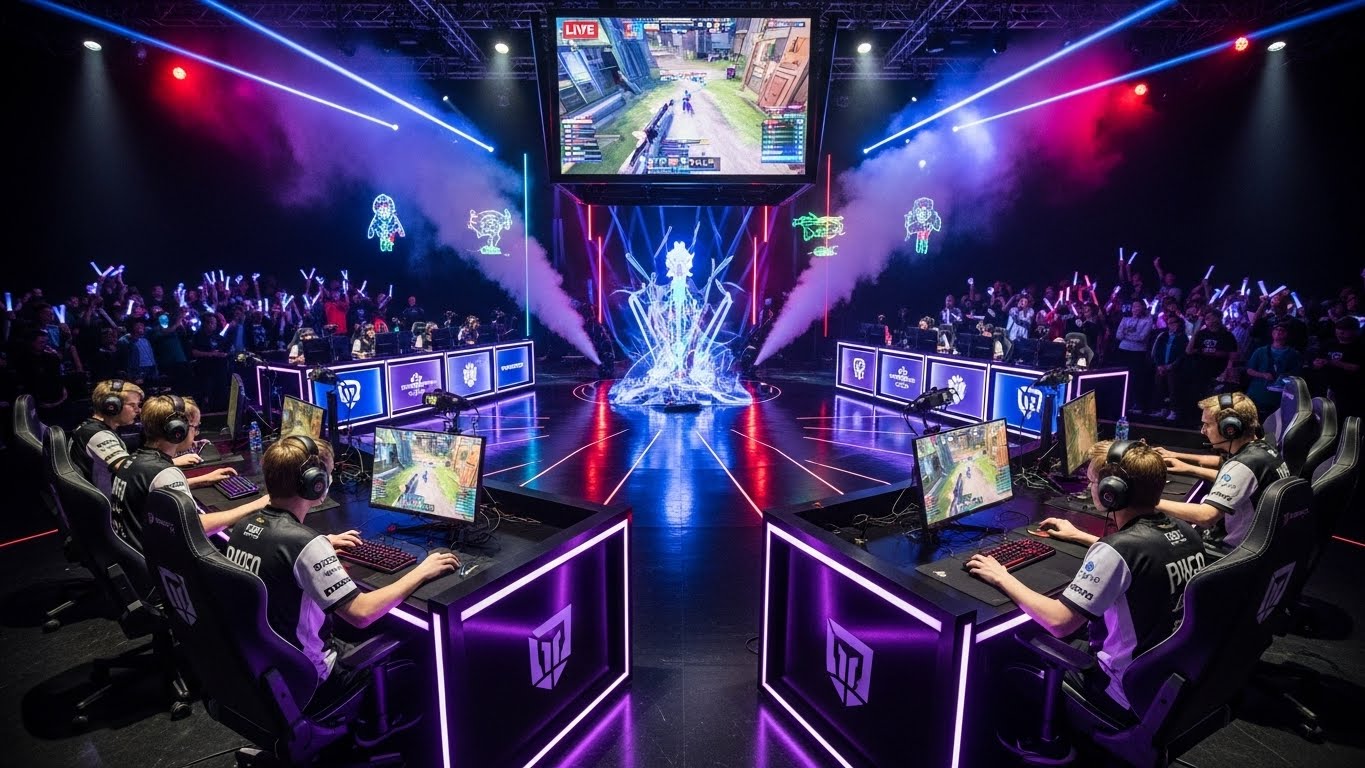
Esports, short for electronic sports, has evolved from a niche hobby into a global phenomenon that rivals traditional sports in viewership, revenue, and cultural influence. What began as casual gaming competitions has grown into a sophisticated, multi-billion-dollar industry with professional players, massive tournaments, and a dedicated fanbase worldwide. Esports is not just about playing video games; it is a fusion of skill, strategy, technology, and entertainment. This blog explores the evolution, significance, challenges, and future of esports, highlighting why it has become a defining aspect of modern culture.
The Origins of Esports
Esports traces its roots back to the early days of video gaming. In the 1970s and 1980s, arcade competitions featuring games like Space Invaders and Pac-Man attracted enthusiastic players competing for high scores. These early contests were primarily local events, often celebrated through newspapers or gaming magazines, laying the foundation for competitive gaming communities.
The 1990s marked the emergence of online multiplayer games such as Quake, StarCraft, and Counter-Strike, which allowed players to compete beyond local venues. South Korea, in particular, became a hotspot for esports, with professional gaming leagues and internet cafes providing platforms for organized competitions. The establishment of tournaments and leagues formalized esports, transitioning it from casual play to structured competition.
The early 2000s witnessed a surge in international recognition. Games like Warcraft III, DotA, and League of Legends attracted global audiences, and organized leagues began to offer significant prize money. This era solidified esports as a professional pursuit and began shaping its economic and cultural impact.
The Growth of Esports as an Industry
Today, esports is a thriving industry generating billions of dollars annually. Major tournaments like The International for Dota 2, the League of Legends World Championship, and the Fortnite World Cup draw millions of live viewers online and fill stadiums worldwide. These events are often broadcasted with professional commentary, analysis, and entertainment, creating a dynamic viewing experience comparable to traditional sports.
Professional teams operate similarly to conventional sports franchises. They recruit talented players, provide training facilities, coaches, and support staff, and secure sponsorships from major brands. Streaming platforms, such as Twitch and YouTube Gaming, have transformed esports by enabling fans to watch live competitions, interact with players, and access exclusive content, building a global community around digital competition.
Monetization in esports extends beyond tournament winnings. Sponsorships, media rights, merchandising, and advertising contribute significantly to revenue streams. This economic diversification has made esports a viable career path and attracted investment from traditional sports organizations, technology companies, and media conglomerates.
The Technology Behind Esports
The rapid rise of esports is closely tied to technological advancements. High-performance gaming rigs, consoles, and peripherals enable players to compete at elite levels, while reliable internet connectivity ensures seamless gameplay, especially in fast-paced multiplayer games. Graphics, frame rates, and latency are critical factors that can influence performance and strategy.
Streaming technology has expanded esports’ reach, allowing audiences to watch live events in real-time, often with interactive features such as chat, polls, and real-time statistics. Virtual reality and augmented reality are beginning to influence the esports landscape, providing immersive experiences that blur the lines between the player and the spectator.
Analytics and data-driven strategies are increasingly important. Teams use performance metrics, gameplay analysis, and predictive algorithms to refine tactics and improve results. This scientific approach to competitive gaming elevates esports to a level of professionalism comparable to traditional athletic disciplines.
Professional Gamers: The New Athletes
Esports has created a new class of digital athletes. Professional gamers dedicate countless hours to practice, strategy, and teamwork, often following structured schedules similar to traditional sports training. Physical fitness, mental focus, and reflexes are crucial components of success, challenging the misconception that esports is purely sedentary or casual.
These players also develop personal brands and engage with fans through social media, live streaming, and content creation. This dual role as competitor and influencer allows professional gamers to connect with audiences, inspire aspiring players, and expand their cultural impact. The rise of esports celebrities demonstrates the legitimacy and cultural relevance of competitive gaming.
Social and Cultural Impact of Esports
Esports has a profound social and cultural influence. It brings together individuals from different backgrounds, regions, and cultures, creating communities united by shared interests. Multiplayer games foster collaboration, teamwork, and communication skills, while fan communities engage in discussions, content creation, and social interactions that strengthen bonds beyond the virtual world.
Esports challenges traditional notions of athleticism by highlighting mental agility, strategic thinking, and reaction speed as essential skills. This shift has helped normalize competitive gaming as a legitimate career and form of entertainment, encouraging broader societal acceptance of gaming as a professional pursuit.
Tournaments and events also serve as cultural hubs. Large-scale competitions integrate music, cosplay, and other forms of entertainment, creating immersive experiences for participants and spectators alike. Esports is not merely a game; it is a cultural movement that combines sport, entertainment, and technology.
Educational and Cognitive Benefits of Esports
Esports offers educational and cognitive advantages, particularly for young players. Strategy-focused games develop problem-solving skills, critical thinking, and decision-making abilities. Multiplayer games encourage leadership, communication, and collaboration, enhancing social intelligence.
Many schools and universities have integrated esports into educational programs, offering courses in game design, coding, and digital media. Scholarships for esports players provide opportunities to pursue higher education while refining gaming skills. Through structured competition and study, esports contributes to intellectual growth, technical knowledge, and personal development.
Challenges and Controversies in Esports
Despite its success, esports faces challenges. Concerns about addiction, excessive screen time, and mental health are significant, particularly among younger players. Maintaining a balance between competitive gaming, education, and personal life is essential for overall well-being.
Integrity issues such as cheating, hacking, and match-fixing pose risks to competitive fairness. Esports organizations have implemented strict rules, anti-cheat software, and governance structures to maintain credibility. Additionally, diversity and inclusion remain ongoing concerns, as women and underrepresented groups have historically faced barriers to entry in professional esports.
Professional players also experience psychological pressure and burnout due to rigorous training, high-stakes competitions, and public scrutiny. Addressing mental health and providing support systems are critical to sustaining the growth and legitimacy of esports as an industry.
The Future of Esports
The future of esports is bright and dynamic. Advancements in artificial intelligence, virtual reality, and cloud gaming will continue to transform competitive gaming experiences. Innovative formats, immersive gameplay, and global connectivity will redefine how players and audiences engage with esports.
Esports is becoming more inclusive, with increased opportunities for women, para-athletes, and players from diverse backgrounds. Educational institutions and professional organizations are expanding esports programs, offering structured pathways for talent development.
As global audiences continue to grow, esports will increasingly intersect with traditional sports, entertainment, and media. Its ability to merge competition, creativity, and technology positions esports as a defining feature of digital culture for years to come.
Why Esports Matters
Esports matters because it represents more than video games. It is a platform for skill development, strategic thinking, teamwork, and cultural engagement. It empowers individuals to pursue passion-driven careers, connect with global communities, and explore creative and cognitive potential.
Esports challenges traditional definitions of sport, celebrates technological innovation, and fosters social inclusion. By providing opportunities for professional growth, education, and entertainment, esports has become a powerful force that shapes culture, technology, and human interaction in the digital era.
Conclusion: Esports as a Defining Digital Era Phenomenon
Esports has evolved from local arcade competitions into a global industry with professional teams, massive audiences, and cultural significance. It combines skill, strategy, technology, and entertainment, creating experiences that are engaging, inclusive, and transformative. From amateur players to professional champions, esports inspires, connects, and challenges individuals worldwide.
The rise of esports signifies a new era in which competition, creativity, and digital culture converge. It is not merely a pastime or entertainment medium; it is a movement that celebrates human potential, innovation, and community in the virtual world. As technology continues to advance and the audience grows, esports will remain a central force in shaping modern culture and redefining what it means to be a digital athlete.