
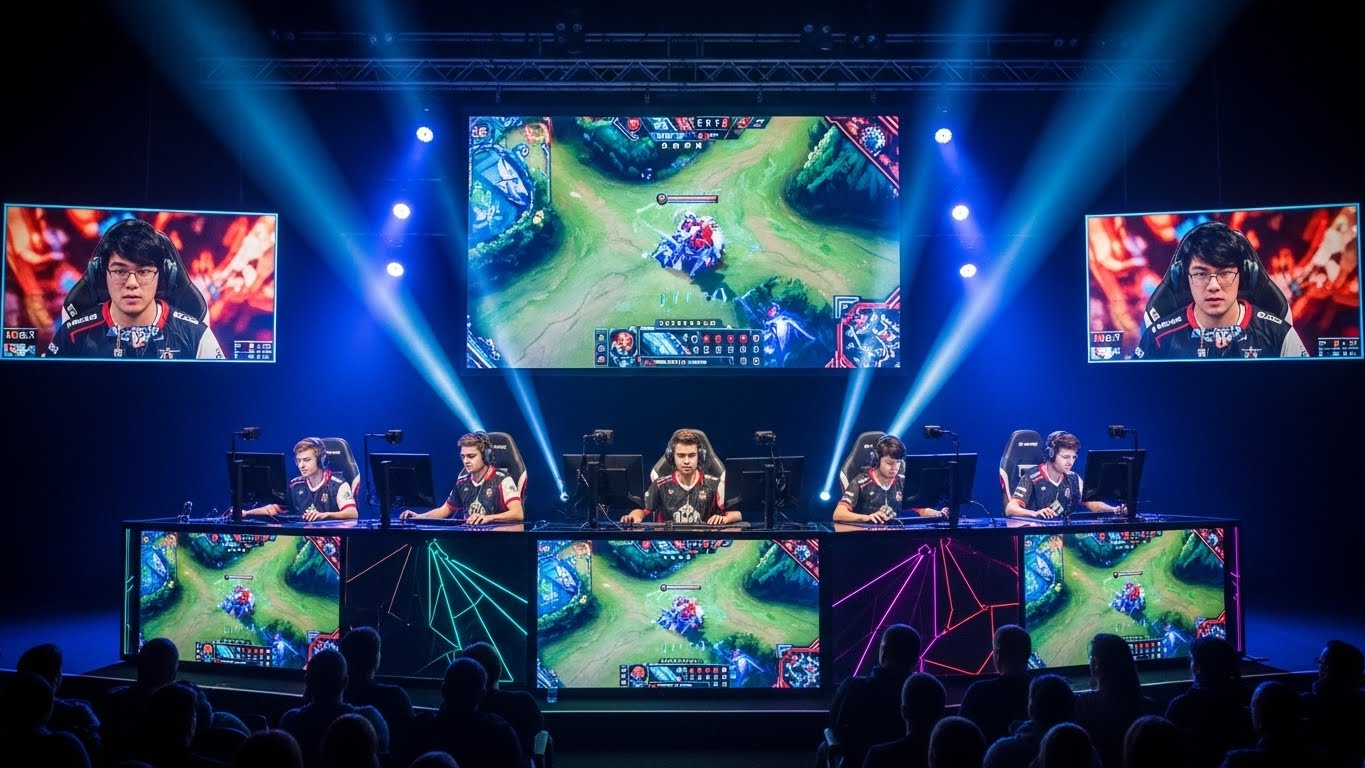
In the past decade, esports has transformed from a niche hobby into a global phenomenon. Millions of people around the world now watch, play, and participate in competitive video gaming, and the industry is growing at an unprecedented rate. Esports is no longer just about entertainment; it has become a serious career path, a cultural movement, and a platform for innovation in technology and social interaction. This blog explores how esports is reshaping competition, influencing culture, and offering new opportunities for players, fans, and businesses alike.
The Rise of Esports
Esports, or electronic sports, refers to competitive video gaming at a professional level. Unlike casual gaming, esports involves organized competitions, often with teams, leagues, and international tournaments. Games like League of Legends, Dota 2, Counter-Strike, and Fortnite have become household names, drawing millions of viewers for live events and online streams.
The rise of esports is closely linked to technological advancement. Faster internet connections, high-quality graphics, and sophisticated gaming platforms have made competitive gaming accessible to a global audience. Streaming services and social media platforms have also played a crucial role, allowing players to showcase their skills and connect with fans in real time. As a result, esports has evolved into a legitimate industry, attracting sponsorships, investments, and professional organizations.
The Physical and Mental Demands of Competitive Gaming
Contrary to popular belief, esports is not just sitting in front of a screen. Professional gamers face intense physical and mental demands. Quick reflexes, precise hand-eye coordination, and stamina are essential for high-level performance. Many esports players follow strict training regimens that include exercises to reduce strain on their eyes, wrists, and posture.
Mental endurance is equally critical. Games at the professional level require strategic thinking, problem-solving, and split-second decision-making. Players must stay focused for hours during tournaments, often under extreme pressure. Concentration, resilience, and adaptability are skills developed through esports that are applicable beyond gaming, reinforcing the idea that competitive gaming is a serious cognitive discipline.
Teamwork and Communication in Esports
While some esports games are individual endeavors, team-based competitions are among the most popular. Titles like Overwatch, Valorant, and League of Legends require seamless communication and coordination among teammates. Success in these games depends on trust, collaboration, and understanding each team member’s strengths and weaknesses.
Effective teamwork in esports mirrors real-life professional environments. Players learn conflict resolution, leadership, and cooperation. Team dynamics also foster empathy and social intelligence, proving that even in a digital arena, human interaction and collaboration are indispensable.
Esports and Career Opportunities
Esports is not just a hobby; it has become a legitimate career path. Professional gamers, coaches, analysts, and content creators can earn substantial income through tournaments, sponsorships, and streaming. Major events like the League of Legends World Championship or The International in Dota 2 offer prize pools in the millions, highlighting the economic potential of competitive gaming.
Beyond playing professionally, esports has created opportunities in management, marketing, broadcasting, and game development. Universities and institutions are now offering esports scholarships and programs, recognizing the value of nurturing talent and fostering industry-ready skills. The growth of esports demonstrates how digital entertainment has evolved into a multifaceted career ecosystem.
Esports and Technology Innovation
Esports is at the forefront of technological innovation. High-performance gaming hardware, virtual reality experiences, and artificial intelligence-driven training tools are shaping the future of competitive gaming. Data analytics, motion tracking, and performance monitoring allow players and coaches to optimize strategies and improve skill levels.
The integration of technology also enhances the viewing experience for fans. Spectators can watch matches with advanced graphics, real-time statistics, and immersive perspectives. This synergy between technology and entertainment is a defining feature of esports, setting it apart from traditional sports while maintaining the thrill of competition.
The Social Impact of Esports
Esports is more than just a competitive endeavor; it is a cultural and social phenomenon. Online communities bring together players and fans from around the world, fostering friendships, collaboration, and shared experiences. Social media platforms allow fans to interact with professional players, discuss strategies, and celebrate achievements.
Esports also challenges traditional notions of sports and competition. It emphasizes inclusivity, allowing people of different ages, genders, and backgrounds to participate and excel. Adaptive technologies and online accessibility have made esports one of the most inclusive forms of competitive activity, bridging gaps that conventional sports sometimes struggle to overcome.
Mental Health and Esports
The intense nature of competitive gaming highlights the importance of mental health. Professional gamers face stress, long hours of training, and high expectations, which can impact well-being. The esports community has become increasingly aware of these challenges, promoting mental health awareness and providing resources for stress management, counseling, and balanced lifestyles.
Gamers who prioritize mental health tend to perform better and sustain longer careers. Incorporating breaks, mindfulness techniques, and healthy routines is essential for maintaining both physical and mental performance in esports. The recognition of mental health as a critical factor in competitive gaming demonstrates the maturation of the industry and its focus on sustainable practices.
Esports as a Global Cultural Movement
Esports transcends geographical and cultural boundaries. Major tournaments attract participants and viewers from all corners of the world, creating a shared global experience. National teams and international leagues foster pride and identity, similar to traditional sports, while also highlighting the universal appeal of gaming.
The cultural impact of esports extends into fashion, media, and entertainment. Merchandise, gaming-inspired apparel, and digital content create communities that celebrate gaming culture. Influencers and professional players become role models, shaping trends and inspiring the next generation of gamers.
Economic Growth and Industry Expansion
The esports industry contributes significantly to the global economy. Revenue streams include tournament winnings, sponsorships, advertising, merchandise, and streaming subscriptions. Esports organizations operate like professional sports franchises, with management teams, marketing strategies, and fan engagement initiatives.
Investment in esports continues to grow, attracting brands and companies looking to tap into the highly engaged and digitally native audience. This expansion also stimulates job creation, technological development, and innovation in media and entertainment, reinforcing esports as a major economic force.
Challenges and the Future of Esports
Despite its rapid growth, esports faces challenges that must be addressed to ensure long-term sustainability. Issues such as burnout, online harassment, and unequal access to resources require attention. Regulation, mental health support, and ethical practices are essential for fostering a safe and equitable environment.
The future of esports is promising, with potential developments in virtual reality, augmented reality, and AI-driven competitions. As technology evolves, esports may integrate more immersive experiences, bridging the gap between digital and physical competition. The continued professionalization of the industry ensures that esports will remain a major cultural and economic phenomenon for years to come.
Esports and Education
Education is becoming increasingly intertwined with esports. Schools and universities are incorporating esports into curricula, teaching not only gaming skills but also teamwork, strategy, and digital literacy. Scholarships for esports athletes are growing in number, offering young players opportunities to pursue higher education while honing their skills.
This educational integration demonstrates that esports is more than entertainment; it is a platform for personal development, career readiness, and innovation. Students engaged in esports learn critical thinking, leadership, and adaptability, skills that are valuable both inside and outside the gaming world.
Conclusion: Esports as a New Frontier
Esports has redefined competition, culture, and community in the modern era. What began as a niche pastime has evolved into a global industry that combines entertainment, technology, and professional opportunity. From the physical and mental demands on players to the economic and cultural impact on society, esports represents a new frontier in human achievement.
As esports continues to grow, it challenges traditional perceptions of sports, broadens opportunities for participation, and fosters innovation across multiple sectors. The power of esports lies not just in the games themselves but in the connections, creativity, and possibilities they inspire. For players, fans, and businesses alike, esports is more than a competition—it is a movement that reflects the dynamic, digital, and interconnected world of today.