
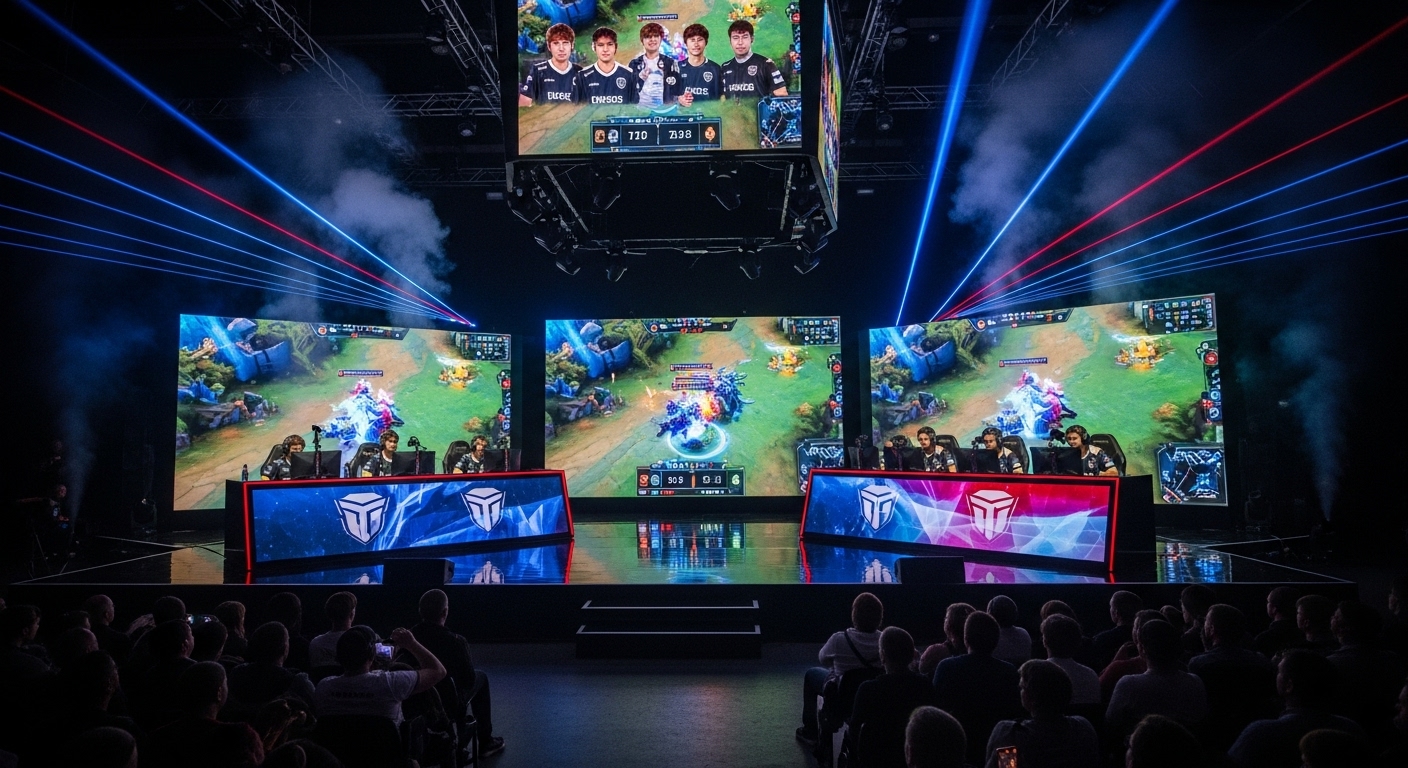
The world of competitive gaming, commonly known as eSports, has transformed the concept of sports and entertainment. What started as casual gaming among friends has now evolved into a global phenomenon with professional leagues, massive tournaments, and millions of dedicated fans. eSports is no longer just a pastime—it is a serious competition, a thriving industry, and a cultural movement shaping the future of gaming.
What is eSports?
eSports refers to organized, competitive video gaming where individuals or teams compete in structured tournaments. Games can range from fast-paced first-person shooters to complex strategy games and multiplayer online battle arenas. Unlike casual gaming, eSports requires precise skills, strategic thinking, quick reflexes, and teamwork. Professional players dedicate hours of practice each day, mirroring the training routines of traditional athletes.
The Explosive Growth of eSports
The eSports industry has seen unprecedented growth over the past decade. Tournaments are now held in large arenas filled with live audiences, while millions watch online streams of high-stakes competitions. Sponsorships, media rights, and merchandise have turned eSports into a multi-billion-dollar industry. This growth highlights the increasing mainstream recognition of gaming as a legitimate form of professional competition.
Building Communities Through eSports
One of eSports’ most significant impacts is its ability to connect people. Fans form communities around games, teams, and players, sharing strategies, celebrating victories, and engaging in lively discussions. Online streaming platforms, forums, and social media allow players and fans to interact globally, creating a sense of belonging and shared excitement. eSports has thus become as much about community as it is about competition.
Skills Developed in Competitive Gaming
eSports players cultivate a variety of skills beyond gaming mechanics. Critical thinking, strategic planning, communication, and teamwork are essential for success. Additionally, professional players manage schedules, sponsorships, and public interactions, developing discipline, leadership, and time management skills. These competencies show that eSports is not only entertaining but also a platform for personal and professional growth.
Challenges Facing eSports
Despite its success, eSports faces challenges. Issues such as player burnout, mental health concerns, and toxic behavior in gaming communities remain prevalent. The industry also lacks uniform regulations across games and regions, creating inconsistencies in competition standards. Addressing these challenges is essential for the long-term sustainability and inclusivity of eSports.
The Future of eSports
The future of eSports is promising. Emerging technologies like virtual reality, augmented reality, and AI-driven analytics are set to enhance gameplay and spectator experiences. As tournaments become more immersive and media coverage expands, eSports is likely to achieve greater recognition alongside traditional sports. The industry will continue to grow, offering new opportunities for players, fans, and businesses alike.
Conclusion
eSports has redefined what it means to compete in the digital age. It combines skill, strategy, and entertainment while fostering global communities and creating professional opportunities. As technology and gaming culture continue to evolve, eSports will remain at the forefront of digital competition, inspiring the next generation of players and redefining the future of gaming.