
The Rise of Esports in the Modern World
In the past few decades, video games have evolved from being a form of leisure to becoming a global phenomenon that commands the attention of millions. What was once dismissed as a hobby for children has now grown into a professional ecosystem known as esports. Short for electronic sports, esports refers to organized video game competitions, often featuring professional players, teams, coaches, and millions of fans who watch them both online and in packed arenas. The rise of esports marks a significant shift in the entertainment industry, merging gaming culture, technology, and competitive sports into a dynamic, multi-billion-dollar industry.
Esports began humbly in the late 20th century when players competed in arcade games or early console titles. However, the explosion of online gaming in the 2000s paved the way for the structured tournaments we see today. With improved internet infrastructure, streaming technology, and the rise of competitive titles like Counter-Strike, League of Legends, Dota 2, and Fortnite, esports became a global spectacle. The industry now mirrors traditional sports, complete with leagues, commentators, sponsorships, and global championships.
The Competitive Landscape of Esports
The esports ecosystem is built upon an intricate web of players, teams, organizations, sponsors, and event organizers. Each component plays a vital role in maintaining the health and growth of the industry. Players are at the core, dedicating years of training and strategy development to compete at the highest level. Teams, much like in traditional sports, recruit talent, provide coaching, and manage branding and sponsorships.
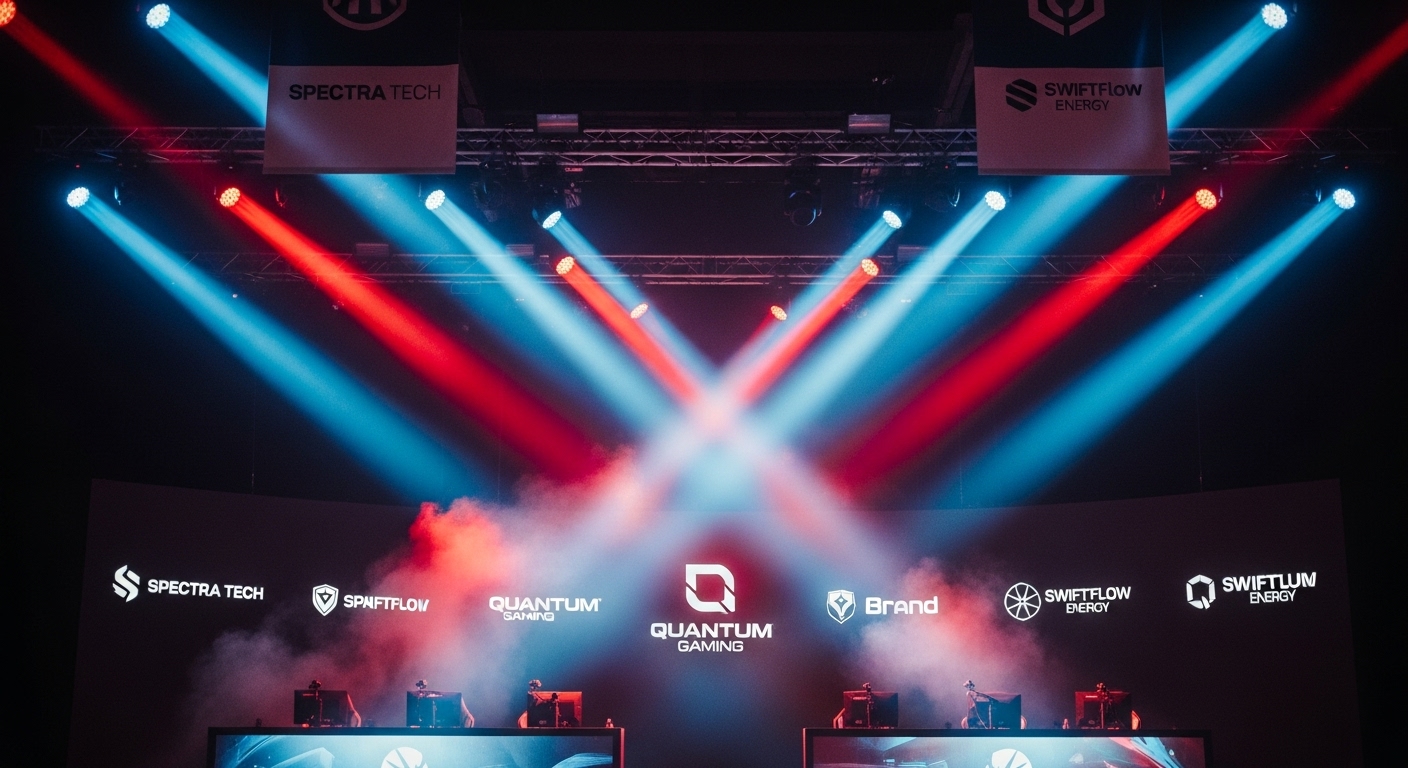
Major tournaments such as The International (for Dota 2), League of Legends World Championship, and Fortnite World Cup have prize pools in the tens of millions, showcasing how valuable esports has become. These events are not only competitions but also entertainment spectacles, with elaborate stage designs, live music, and theatrical openings that rival major sporting events.
The games themselves differ widely in style and audience. First-person shooters like Counter-Strike: Global Offensive and Valorant emphasize precision and reflexes. Multiplayer online battle arena (MOBA) games such as League of Legends focus on teamwork, strategy, and timing. Battle royale games like PUBG and Fortnite highlight survival skills and adaptability. Each genre cultivates its own unique fanbase and professional ecosystem, contributing to esports’ diversity and global appeal.
The Role of Streaming and Digital Platforms
One of the most powerful forces behind esports’ rise has been the development of streaming platforms. Unlike traditional sports that rely heavily on television broadcasting, esports found its home online. Platforms like Twitch, YouTube Gaming, and Facebook Gaming have revolutionized how people consume gaming content. Fans can watch professional players, learn strategies, and interact with communities in real time.
Streaming not only made esports accessible but also democratized content creation. Anyone with the skill and charisma can build a following, creating new stars every year. This interactivity between players and fans has fostered an unmatched sense of community. The ability to chat, donate, or subscribe to channels adds a personal layer of connection that traditional sports often lack.
Moreover, streaming data has given organizations valuable insights into audience preferences and engagement. This has led to more targeted advertising, sponsorship deals, and brand collaborations. As esports continues to integrate with mainstream media, streaming remains the beating heart of its growth, connecting millions across the globe with just a few clicks.
The Economics of Esports
Behind the flashing lights and roaring crowds lies a complex and rapidly expanding economy. Esports generates revenue through multiple channels: sponsorships, media rights, merchandise, advertising, and ticket sales. Sponsorships are the largest contributor, with major brands from various industries—technology, energy drinks, apparel, and even automobiles—investing heavily in teams and tournaments.
Merchandising has also become a critical revenue stream. Fans proudly wear jerseys, buy collectibles, and support their favorite players just as they would in traditional sports. This blend of digital and physical engagement creates a sustainable model that fuels the industry’s growth.
Media rights deals are another major development. As more traditional broadcasters and digital networks compete for exclusive coverage, the value of broadcasting rights has surged. Esports organizations and tournament operators are increasingly negotiating contracts similar to those in mainstream sports, proving that esports has matured into a legitimate entertainment powerhouse.
Additionally, esports betting and fantasy leagues have emerged as significant markets. While these areas are still regulated differently across countries, they reflect how deeply esports has integrated into the broader entertainment and gambling ecosystem.
The Global Reach of Esports
Esports is not confined to any single country or region—it is a truly global movement. Asia, particularly South Korea and China, has long been considered the epicenter of professional gaming. South Korea’s early investment in high-speed internet and gaming culture created an environment where esports could thrive. StarCraft tournaments in Seoul during the early 2000s laid the foundation for the professional infrastructure that exists today.
China, with its massive gaming population, has taken esports to another level, building massive arenas dedicated entirely to gaming competitions. North America and Europe have also established strong esports scenes, driven by corporate sponsorships, collegiate programs, and professional leagues.
Even regions like the Middle East, South America, and Africa are now experiencing significant growth in competitive gaming. Improved internet access and mobile gaming platforms have allowed new generations of players to join the global stage. Mobile esports, in particular, has expanded rapidly, with games like Mobile Legends: Bang Bang and PUBG Mobile attracting millions of participants worldwide.
The Cultural Impact of Esports
Esports is more than just a form of entertainment—it is shaping modern culture in profound ways. The players have become celebrities, influencing fashion, music, and even education. Gaming houses and team boot camps are as structured and disciplined as any traditional athletic training facility. Young players aspire to go pro, and many schools and universities now offer esports scholarships and academic programs in game design, management, and broadcasting.
The popularity of esports has also changed how people perceive gaming. Once stigmatized as an isolating activity, gaming is now recognized for its teamwork, strategic thinking, and mental agility. Esports athletes require discipline, communication, and adaptability—skills that are equally valuable in real-world professions.
Furthermore, the fusion of music, art, and gaming has created a new wave of cross-media collaborations. Music artists perform during tournament openings, fashion brands design esports jerseys, and film studios produce documentaries about the lives of professional gamers. Esports has become a reflection of the digital age, blending creativity and competition into a single, vibrant culture.
The Psychological Demands of Esports Athletes
While the life of an esports professional may seem glamorous, it comes with immense pressure. Competing at the highest level requires hours of daily practice, strategic discussions, and constant adaptation to new updates or game mechanics. Mental stamina and focus are just as important as physical endurance.
Burnout has become a significant issue in esports. The demanding schedules and intense competition can take a toll on mental health. Teams are now employing sports psychologists and wellness coaches to help players maintain balance. The recognition of mental health in esports represents a growing maturity in the industry—acknowledging that professional gaming, like any sport, requires holistic care.
Another key aspect is teamwork. Unlike traditional solo games, most esports titles are team-based, requiring synchronization, communication, and trust. The psychological bond between players can often determine the outcome of a match. This emphasis on collaboration and emotional intelligence has helped redefine what it means to be an athlete in the modern age.
The Future of Esports: Beyond the Screen
The future of esports looks boundless. Advancements in technology such as virtual reality (VR) and augmented reality (AR) are expected to revolutionize how games are played and experienced. Imagine arenas where fans not only watch but also immerse themselves in the game through interactive experiences. These innovations could redefine audience participation, making esports an even more engaging spectacle.
Artificial intelligence is another area of development. AI tools are being used to analyze player performance, optimize strategies, and even design new forms of interactive competition. Game developers are creating more balanced and spectator-friendly titles, while production companies are enhancing broadcast quality with real-time analytics, replays, and player statistics.
Additionally, as more countries recognize esports as an official sport, there is potential for inclusion in international sporting events. Some discussions have already begun about esports being part of future Olympic events, which would further validate its status as a global athletic discipline.
Education and career development within esports are also expanding. Universities and technical institutes are offering degrees in esports management, digital marketing, and game development. These programs aim to prepare students not just as players but as future industry leaders, content creators, and entrepreneurs.
The Social Dimension of Esports
One of the most remarkable aspects of esports is its power to unite people from diverse backgrounds. Language barriers fade when players communicate through gameplay, strategies, and shared passion. Online communities foster friendships that span continents, and major tournaments bring fans together in digital harmony.
Esports has also become an inclusive platform for people with disabilities, allowing them to compete and express themselves in ways that traditional sports might not permit. Adaptive technologies and accessibility innovations continue to broaden participation, ensuring that gaming remains open to all.
Charity events, fundraising tournaments, and community-driven initiatives further highlight the social impact of esports. Many players and organizations use their influence to support global causes, raising awareness and funds for health, education, and environmental projects.
Challenges Facing Esports
Despite its explosive growth, esports faces several challenges that must be addressed to ensure long-term sustainability. One of the biggest concerns is regulation. Unlike traditional sports, esports lacks a unified governing body. Each game has its own publisher, rules, and tournament structures, leading to inconsistencies in standards and player rights.
Another issue is player exploitation. Young talents, often minors, are sometimes subjected to unfair contracts or overwork. As the industry matures, more emphasis is being placed on fair contracts, ethical management, and player welfare.
Cheating and match-fixing also pose threats to competitive integrity. With large prize pools and online platforms, maintaining fair play is crucial. Developers are investing in anti-cheat software and monitoring systems to preserve the credibility of tournaments.
Lastly, the dependence on technology means that esports must continuously adapt to changing platforms, hardware, and network conditions. Sustainability, both in environmental and economic terms, will become an increasingly important topic in the years to come.
Conclusion: The New Frontier of Entertainment
Esports represents the evolution of competition in the digital age. It has transformed gaming from a pastime into a profession, a culture, and an international community. It embodies the spirit of innovation, creativity, and connection that defines modern entertainment.
What makes esports truly remarkable is its inclusivity and accessibility. Anyone, anywhere, with talent and determination, can rise to the top. It transcends borders, languages, and generations, uniting millions under a shared passion for play and performance.
As technology continues to evolve and society embraces digital culture, esports will only grow stronger, shaping the future of entertainment, communication, and global unity. The story of esports is still being written, but one thing is certain—it is no longer the future; it is the present, and it is here to stay.