
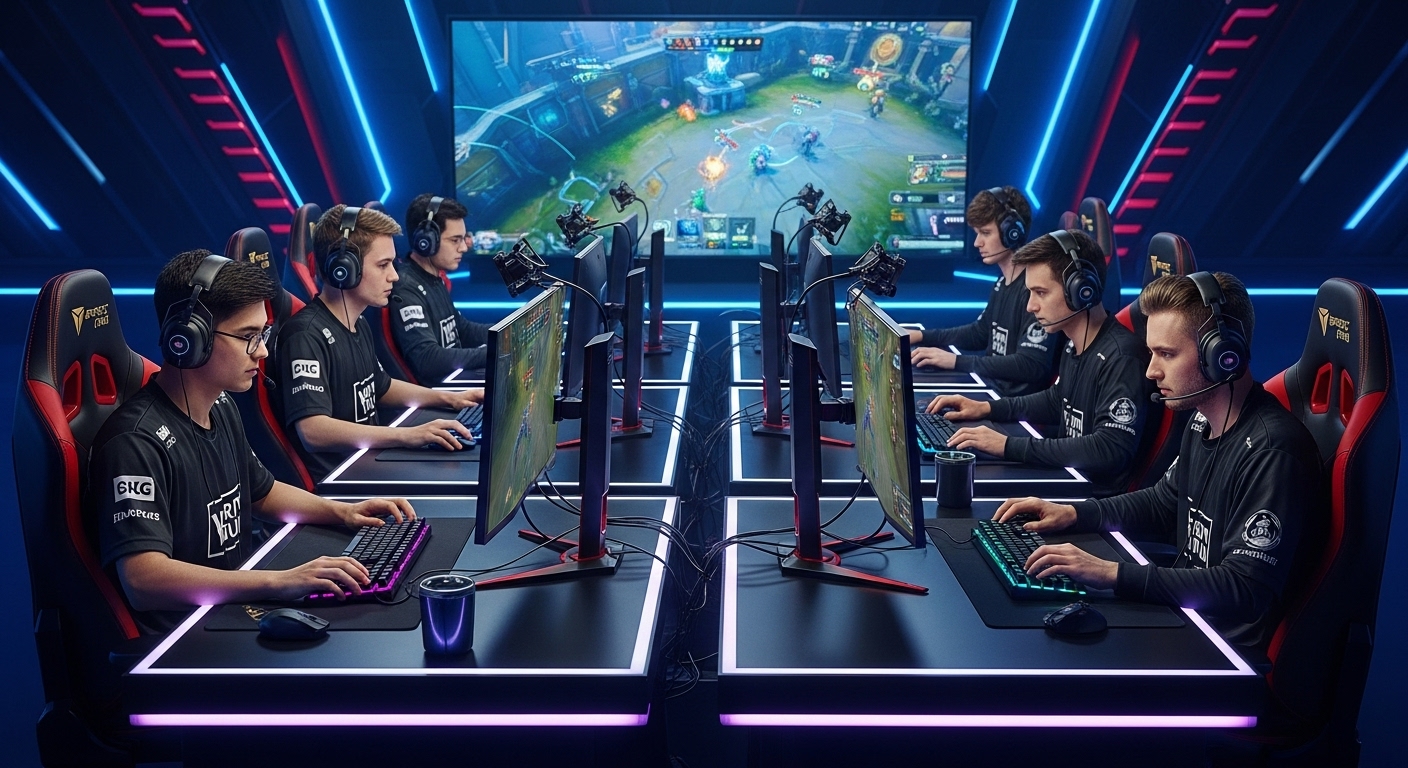
Esports, or competitive gaming, has evolved from a niche pastime into a global cultural and professional phenomenon. Once dismissed as a hobby for enthusiasts and teenagers, esports has now gained legitimacy as a serious form of competition with professional players, massive audiences, and multi-million-dollar prize pools. It combines technology, strategy, skill, and entertainment, creating an ecosystem that rivals traditional sports in both excitement and reach. Esports is not just about playing games—it is a world where strategy, teamwork, reflexes, and psychology intersect to produce experiences that captivate millions of fans worldwide.
The Origins of Competitive Gaming
The foundations of esports can be traced back to the 1970s and 1980s when arcade games and early consoles became popular. High score competitions in games like Space Invaders, Pac-Man, and Donkey Kong attracted local players eager to prove their skills. These early contests emphasized mastery and precision, creating communities centered on friendly competition. While primitive by today’s standards, these events marked the beginning of organized competitive gaming. They showcased the human desire to challenge oneself, compete, and be recognized for skill—elements that remain central to modern esports.
The Emergence of LAN Tournaments
The late 1990s saw the rise of local area networks, or LANs, which allowed multiple players to connect their computers and compete in real-time. Games like Quake, Counter-Strike, and StarCraft defined this era, introducing fast-paced gameplay and complex strategy. LAN tournaments brought players together physically, creating an environment similar to traditional sports events with cheering crowds, camaraderie, and intense rivalries. These tournaments highlighted essential aspects of esports that remain relevant today: precision, teamwork, coordination, and mental endurance. They also laid the groundwork for a professional structure where players could train, strategize, and compete at high levels.
The Internet Revolution in Esports
The internet revolutionized competitive gaming by enabling global connectivity. Online multiplayer games allowed players from around the world to compete in real-time, breaking the geographical limitations of LAN tournaments. Titles such as DotA, Warcraft III, and Counter-Strike saw a surge in international competition. Online leaderboards, rankings, and streaming platforms created a spectator culture, allowing fans to watch matches and learn strategies. This era marked the shift of gaming from casual entertainment to a legitimate competitive sport, accessible to anyone with an internet connection.
The Professionalization of Esports
As esports grew in popularity, the need for organized structures became evident. Professional teams, leagues, and tournaments emerged, providing stability and career paths for skilled players. Games such as League of Legends, Dota 2, and Overwatch became central to the professional scene. Teams now operate like traditional sports franchises, employing coaches, analysts, and support staff to maximize performance. Sponsorship deals, team branding, and merchandising became significant revenue sources. Professionalization elevated the level of competition, attracting broader audiences and solidifying esports as a respected and recognized industry.
Esports as Entertainment
Esports is not only about competition—it is entertainment in its purest form. Spectators enjoy the thrill of high-level gameplay, strategic maneuvers, and unexpected outcomes. Broadcasting and live streaming platforms have transformed esports into a spectator sport, with commentators providing play-by-play analysis and building narratives around players and teams. The storytelling aspect adds emotional depth, allowing fans to connect with their favorite players, experience tension, and celebrate victories. Unlike traditional sports, esports combines interactive technology, digital creativity, and immersive visuals, offering an entertainment experience that is unique to the digital age.
The Impact of Streaming Platforms
Streaming platforms such as Twitch, YouTube Gaming, and others have been instrumental in the rise of esports. They allow players to broadcast matches, interact with audiences, and build personal brands. Live streaming has created a new kind of celebrity: the professional gamer. Streamers not only showcase skill but also engage audiences through commentary, humor, and community interaction. Platforms have also democratized content creation, allowing aspiring players to gain visibility without major sponsorships or league affiliation. Streaming has transformed esports into a global entertainment ecosystem, where content, community, and competition intersect.
Global Esports Competitions
International tournaments are the pinnacle of esports, attracting the best players from around the world. Events like The International for Dota 2, the League of Legends World Championship, and the Fortnite World Cup offer multi-million-dollar prize pools and worldwide media attention. These competitions are not only tests of skill but also massive productions with elaborate stages, live audiences, and extensive broadcasting teams. They create cultural moments, where fans unite to cheer for their favorite teams and players. The global nature of these tournaments reinforces esports as a universal language, bridging cultures and connecting people through shared experiences of excitement and triumph.
The Economics of Esports
Esports has become a multi-billion-dollar industry. Revenue streams include sponsorship, advertising, media rights, ticket sales, and merchandising. Professional teams generate income from sponsorships with technology companies, energy drinks, and fashion brands. Streaming platforms provide additional revenue through subscriptions, donations, and advertising. Tournaments contribute prize money, often in the millions, incentivizing elite competition. The economic growth of esports has created a wide array of career opportunities beyond players, including event management, broadcasting, coaching, and content creation. This financial infrastructure ensures that esports is not only sustainable but also poised for continued expansion.
Technology Driving Esports
Technology is at the core of esports, shaping gameplay, competition, and entertainment. High-performance computers and gaming peripherals enhance precision and responsiveness, while networking technology ensures seamless online matches. Data analytics tools allow teams to study strategies, improve performance, and predict opponents’ moves. Virtual reality and augmented reality are emerging as potential future platforms, offering immersive experiences for both players and viewers. Technology enables the scalability of esports, allowing millions to participate, watch, and interact in ways that were unimaginable a few decades ago.
Esports Culture and Community
Esports has developed a vibrant and distinct culture. Fans form communities around games, teams, and players, connecting online and in-person at events. Cosplay, fan art, and community forums celebrate the creativity and passion within esports. Fans engage with content beyond gameplay, discussing strategies, memes, and personal stories. This sense of community strengthens the bond between players and audiences, creating shared experiences that transcend national boundaries. Esports culture is inclusive and dynamic, constantly evolving with new games, technologies, and social trends.
Careers in Esports
Esports offers diverse career opportunities beyond professional gaming. Players can earn salaries, sponsorship deals, and streaming revenue. Coaches, analysts, commentators, and event organizers are essential to maintaining competitive structures. Content creation, marketing, and management roles have also emerged as esports expands into mainstream entertainment. Educational institutions are beginning to recognize esports as a valid career path, offering scholarships, training programs, and academic courses. This professional ecosystem ensures that esports is not just a hobby but a legitimate and sustainable career choice.
Psychology and Mental Skills in Esports
The mental aspect of esports is crucial. Players must maintain focus, adapt strategies on the fly, and manage stress under high-pressure conditions. Team-based games require communication, collaboration, and leadership. Mental resilience, concentration, and emotional control are essential for peak performance. Sports psychologists are increasingly working with teams to enhance mental conditioning, prevent burnout, and foster healthy habits. Understanding the psychological demands of esports highlights the complexity of competitive gaming, reinforcing its legitimacy as a serious and challenging sport.
Diversity and Inclusion in Esports
Esports faces ongoing challenges in achieving diversity and inclusion. Historically male-dominated, gaming communities are now making efforts to include women, LGBTQ+ individuals, and marginalized groups. Initiatives such as inclusive tournaments, mentorship programs, and community outreach are creating more equitable opportunities. Representation matters, as diverse perspectives enrich gameplay, strategies, and fan engagement. Inclusive esports communities demonstrate that competitive gaming can transcend traditional social barriers and serve as a platform for equality and cultural exchange.
Challenges and Controversies
Despite its growth, esports faces significant challenges. Issues such as cheating, match-fixing, and doping threaten competitive integrity. Player health and wellness are major concerns, as extended screen time and intense practice can lead to physical and mental strain. Monetization models and revenue distribution remain complex, requiring transparency and fairness. Additionally, accessibility for players in regions with limited infrastructure remains a challenge. Addressing these issues is essential for sustaining the credibility, growth, and long-term success of esports.
The Future of Esports
The future of esports is bright and full of potential. Advances in technology, including cloud gaming, virtual reality, and AI, will redefine competition and audience experiences. Global connectivity will continue to expand fan bases, while cross-industry partnerships with media, entertainment, and traditional sports will create innovative events. Personalized content, immersive experiences, and increased inclusivity will shape the next generation of esports. As the industry matures, esports will continue to blend skill, entertainment, and culture, solidifying its place as a dominant force in global entertainment.
Conclusion
Esports has transformed the world of gaming from a casual hobby into a professional and cultural phenomenon. Its journey from arcade competitions to global tournaments demonstrates the power of technology, creativity, and community. With professional players, high-stakes tournaments, sponsorships, and global audiences, esports now rivals traditional sports in both entertainment and commercial impact. Beyond competition, esports represents innovation, inclusivity, and connection, bringing together players and fans across cultures. The industry continues to grow and evolve, promising a future where competitive gaming, digital entertainment, and global culture intersect in unprecedented ways. Esports is not just a trend; it is a revolution, reshaping how the world plays, watches, and engages with games.