
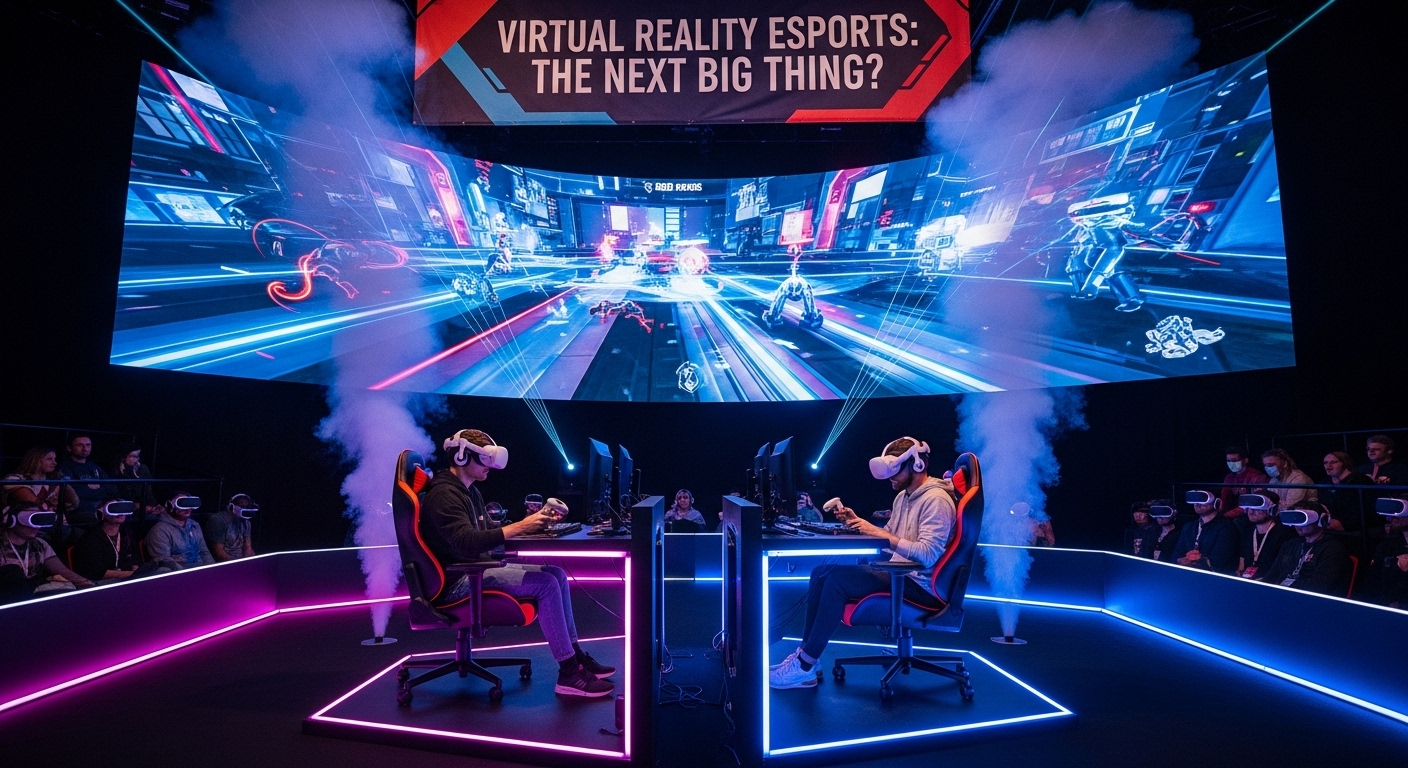
Esports, or electronic sports, has transformed from a niche hobby enjoyed by passionate gamers into a billion-dollar global industry. What began as small gatherings in computer labs and living rooms has grown into massive international tournaments that fill stadiums and attract millions of online viewers. The history of esports is a fascinating story of technological innovation, community-driven growth, and the merging of gaming with mainstream entertainment.
In this article, we’ll dive into the complete evolution of esports: from its humble origins at LAN parties to the dazzling, stadium-packed events we see today.
What is Esports?
Before exploring the timeline, it’s important to define esports. Simply put, esports refers to competitive video gaming at a professional level, often involving organized tournaments, teams, sponsorships, and large audiences. Unlike casual gaming, esports emphasizes skill, strategy, and competition, much like traditional sports.
The Birth of Competitive Gaming (1970s – 1980s)
The seeds of esports were planted decades before Twitch streams and YouTube highlights.
The First Known Gaming Competition
In 1972, Stanford University hosted the Intergalactic Spacewar Olympics, where students competed on the classic game Spacewar! The winner received a year’s subscription to Rolling Stone magazine. While tiny by today’s standards, this event is often recognized as the first recorded esports tournament.
The Rise of Arcade Competitions
The late 1970s and 1980s marked the arcade boom. Games like Pac-Man, Donkey Kong, and Space Invaders became cultural icons. In 1980, Atari organized the Space Invaders Championship, attracting more than 10,000 players across the United States. This was the first large-scale video game competition and a glimpse into the future potential of esports.
During this era, leaderboards became the measure of skill. Players like Billy Mitchell and Steve Wiebe became famous for their high scores, laying the groundwork for competitive recognition.
LAN Parties and the Rise of PC Gaming (1990s)
The 1990s marked a turning point in esports history, thanks to technological advancements and the growth of the PC gaming community.
The LAN Party Culture
A LAN party (Local Area Network party) was a gathering where gamers connected their PCs to play multiplayer games. These events created strong communities and introduced real-time competition beyond arcades. Titles like Doom (1993) and Quake (1996) became staples of LAN play.
The Birth of Esports Leagues
In 1997, the Cyberathlete Professional League (CPL) was founded, becoming one of the first formal esports organizations. It hosted major tournaments for Quake and later Counter-Strike, offering cash prizes and professional recognition to players.
South Korea Takes the Lead
South Korea quickly emerged as the epicenter of esports in the late 1990s. With government-backed internet infrastructure and a strong gaming culture, games like StarCraft became national obsessions. By 1999, televised esports matches drew large audiences in South Korea, setting a precedent for global competitive gaming.
The 2000s: Esports Goes Global
The 2000s witnessed esports transition from underground gatherings to international tournaments.
Key Games That Defined the Era
- Counter-Strike 1.6 – became the foundation of competitive first-person shooters.
- Warcraft III – introduced real-time strategy battles with legendary players like Moon.
- Halo 2 & 3 – popularized console esports in North America.
- StarCraft: Brood War – cemented South Korea’s dominance.
The Rise of Major Tournaments
- World Cyber Games (WCG): Launched in 2000, often called the “Olympics of esports.”
- Electronic Sports World Cup (ESWC): Brought international prestige and large-scale organization.
- Major League Gaming (MLG): Founded in 2002, became the premier league in North America, pioneering live-streamed matches.
Professionalization of Esports
During this time, esports players began signing sponsorship deals and contracts. Teams like SK Gaming, Fnatic, and Team Liquid gained international recognition, becoming brands that still thrive today.
The Streaming Revolution (2010s)
The 2010s were a game-changer for esports. Streaming platforms allowed millions of viewers worldwide to watch matches live.
The Birth of Twitch
In 2011, Twitch launched and quickly became the go-to platform for live gaming broadcasts. Fans could now watch their favorite players compete in real-time from anywhere in the world, fueling exponential growth.
League of Legends and the MOBA Explosion
Released in 2009, League of Legends (LoL) became the most-watched esport of the decade. Riot Games launched the League of Legends Championship Series (LCS) in 2013, standardizing professional play and introducing franchised leagues.
Similarly, Dota 2 brought global attention with its International Tournament, which began in 2011 with a $1 million prize pool and later grew to exceed $40 million.
Stadium Events and Spectacle
By the mid-2010s, esports tournaments filled massive venues:
- The Staples Center in Los Angeles sold out for the LoL World Championship in 2013.
- The KeyArena in Seattle hosted The International, drawing record-breaking live and online audiences.
Esports had officially entered mainstream entertainment.
The 2020s: Billion-Dollar Industry and Global Recognition
Today, esports is not just entertainment—it’s business, culture, and a career path.
Record-Breaking Tournaments
Events like the Fortnite World Cup 2019 offered a $30 million prize pool, making teenage players millionaires overnight. Games like Valorant, PUBG, and Overwatch added variety to the esports scene.
Franchised Leagues and Stability
The esports ecosystem matured with franchised leagues such as:
- Overwatch League (OWL)
- Call of Duty League (CDL)
- League of Legends regional leagues (LCS, LEC, LCK, LPL)
These leagues operate like traditional sports, with city-based teams, stable salaries, and global fanbases.
Esports in the Olympics?
Esports has been featured in the Asian Games and is being considered for future Olympic events. While debates continue about whether gaming is a “real sport,” its global influence is undeniable.
The Role of COVID-19
During the pandemic, esports thrived as physical sports were paused. Online competitions kept fans engaged, proving the resilience of digital entertainment.
Technology and Infrastructure Driving Esports Growth
Several innovations enabled esports to grow from LAN parties to stadiums:
- High-Speed Internet – allowed real-time online play across continents.
- Streaming Platforms – Twitch, YouTube Gaming, and Facebook Gaming expanded audiences.
- Cloud Gaming & VR – opening future possibilities for immersive competitive play.
- Esports Arenas – custom-built venues like the Esports Stadium Arlington in Texas showcase the industry’s permanence.
Cultural Impact of Esports
Esports has not only changed gaming but also influenced mainstream culture.
- Celebrity Involvement: Figures like Drake, Michael Jordan, and David Beckham invested in esports teams.
- Crossover with Music and Entertainment: Virtual concerts inside games like Fortnite blurred lines between entertainment forms.
- Esports as a Career Path: Players, coaches, casters, analysts, and content creators make a living through gaming.
Challenges Facing Esports
Despite its success, esports faces hurdles:
- Player Burnout: Intense schedules and pressure impact mental health.
- Financial Sustainability: Some leagues struggle to remain profitable.
- Cheating and Integrity Issues: Match-fixing and hacks remain concerns.
- Recognition and Regulation: Esports governance is still fragmented worldwide.
The Future of Esports
Looking ahead, esports will continue evolving with new technologies and cultural acceptance. Potential trends include:
- Metaverse Integration: Virtual reality arenas and immersive spectating.
- Global Accessibility: More representation from regions like Africa and South America.
- Educational Integration: Universities offering esports scholarships and degrees.
- Mainstream Media Presence: More TV broadcasting and Olympic recognition.
Esports is no longer “just gaming.” It’s a global phenomenon shaping how we play, compete, and connect.
Conclusion
The history of esports is a remarkable journey: from small LAN parties in basements to sold-out stadiums and million-dollar prize pools. What started as a passion-driven hobby has transformed into a global industry influencing sports, technology, and entertainment.