
Introduction
The entertainment industry has always evolved with technology, from the golden age of cinema to the explosion of streaming platforms. Today, another revolution is underway—esports. What was once considered a niche pastime has now become a global phenomenon, captivating millions of viewers and generating billions in revenue. Esports is no longer just “playing video games.” It is a full-scale industry combining competitive gaming, live entertainment, media rights, and sponsorships.
In this blog post, we will explore why esports is the future of entertainment, how it compares to traditional forms of entertainment, and what makes it so appealing to modern audiences. We’ll also look at its rapid growth, the role of technology, the impact on global culture, and why investors, brands, and governments are betting big on esports.
The Explosive Growth of Esports
From Arcades to Global Arenas
Esports has humble origins. In the early 2000s, gamers gathered at LAN parties and small tournaments. Today, events like the League of Legends World Championship or The International (Dota 2) fill massive stadiums with tens of thousands of fans while millions more tune in online.
Market Size and Revenue
According to industry reports, the global esports market is projected to surpass $5 billion by 2030, with revenue streams from sponsorships, advertising, ticket sales, merchandise, and broadcasting rights. Platforms like Twitch, YouTube Gaming, and Kick have become the digital equivalents of ESPN for esports fans.
Audience Demographics
Esports’ biggest strength is its audience. The majority of esports fans are millennials and Gen Z, digital natives who prefer interactive, on-demand entertainment over traditional television. With over 500 million global viewers, esports rivals—and in some regions surpasses—the audience of established sports leagues.
Why Esports Is Different From Traditional Sports
Accessibility and Inclusivity
Unlike traditional sports, which require physical space, infrastructure, and specific conditions, esports can be played anywhere with a PC, console, or even a mobile phone. This makes competitive gaming accessible to anyone worldwide, regardless of location or physical ability.
Interactivity and Engagement
Esports is built for the digital era. Fans don’t just watch—they interact through live chats, social media, and even participate in events. Platforms allow viewers to influence gameplay, cheer for their favorite teams, and be part of a global community.
Global Appeal
While traditional sports often have regional popularity (e.g., baseball in the U.S. or cricket in India), esports titles like League of Legends, CS:GO, and Fortnite are globally recognized. A fan in Brazil can support the same team as a fan in South Korea, creating an international sense of unity.
Key Reasons Why Esports Is the Future of Entertainment
1. Digital-First Consumption
The modern entertainment consumer lives online. With the rise of streaming platforms, esports naturally fits into the digital-first ecosystem. Its events are streamed globally, on-demand, and often for free, making it easier to reach massive audiences compared to traditional sports broadcasts locked behind cable subscriptions.
2. Immense Sponsorship and Investment Opportunities
Brands like Coca-Cola, Nike, Red Bull, and Intel have already invested heavily in esports. Sponsorship deals are growing rapidly because esports provides direct access to younger audiences—a demographic that’s increasingly ignoring traditional advertising.
3. Integration With Technology and Innovation
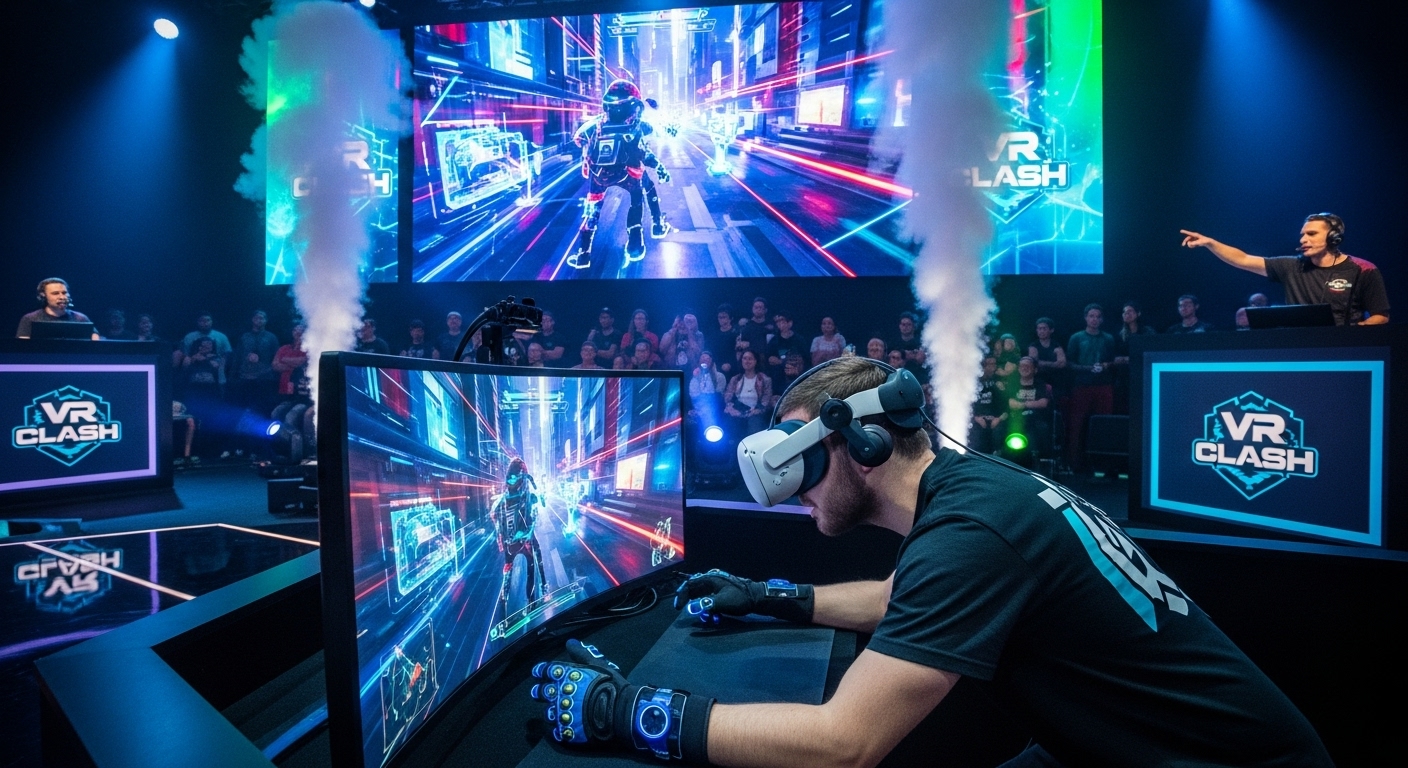
Esports thrives on cutting-edge technology. VR, AR, blockchain, and AI are set to reshape the industry further. Concepts like the metaverse and play-to-earn gaming could merge competitive gaming with immersive digital experiences, revolutionizing entertainment.
4. Career Opportunities Beyond Gaming
Esports is not just for players. It creates thousands of jobs across broadcasting, coaching, event management, marketing, and even psychology. Just as traditional sports evolved into an ecosystem of careers, esports is paving the way for the next generation of entertainment professionals.
5. Strong Community and Fan Culture
Esports communities are vibrant and highly engaged. Online forums, Discord servers, and fan events create strong social bonds. This sense of belonging is a key factor behind esports’ meteoric rise, as fans feel more connected to their teams and players than in traditional sports.
Esports as Live Entertainment
Stadium Events and Global Tournaments
Packed arenas filled with cheering fans, massive LED screens, and live commentary—esports events are now on par with traditional sports spectacles. For example:
- League of Legends Worlds attracts more viewers than the NBA Finals.
- Fortnite World Cup 2019 had a $30 million prize pool, rivaling Wimbledon and the Masters.
Streaming Platforms as the New Stadiums
Platforms like Twitch and YouTube Gaming allow fans to watch matches, interact with streamers, and follow their favorite teams. Unlike TV, streaming is two-way communication, which boosts engagement.
The Cultural Impact of Esports
Breaking Stereotypes
Gaming was once stereotyped as antisocial or unproductive. Esports has shattered that image, proving that gaming can be competitive, professional, and even lucrative.
Global Unity Through Gaming
Esports is universal. Unlike language barriers in movies or cultural differences in sports, esports titles provide a shared global platform. Fans from around the world cheer for the same teams and players, fostering global connections.
Influence on Mainstream Media
Esports is increasingly appearing in movies, music videos, advertisements, and collaborations. Celebrities like Drake, Post Malone, and Neymar have invested in esports teams, showing how deeply esports has penetrated pop culture.
Esports vs. Traditional Entertainment
| Factor | Esports | Traditional Entertainment |
| Accessibility | Online, global, often free | Regional, paid, limited |
| Audience Engagement | Interactive, community-driven | Passive consumption |
| Growth Rate | Explosive, still scaling | Slower, more saturated |
| Demographics | Younger, digital-native | Broader, but aging |
| Innovation | Tech-driven, adaptable | More rigid, less experimental |
Challenges Esports Faces
While esports is booming, it’s not without challenges:
- Sustainability of teams and organizations due to high costs.
- Player burnout from intense schedules.
- Regulation and governance across countries.
- Match-fixing and cheating risks with online play.
Yet, these challenges are also opportunities. As the industry matures, esports will likely develop structures similar to traditional sports, ensuring stability and long-term growth.
The Future of Esports
Integration With Mainstream Sports
Esports and traditional sports are converging. The Olympics has introduced esports events, and major sports clubs (like PSG, FC Barcelona, and the Dallas Cowboys) have invested in esports teams.
Virtual Reality and Metaverse Esports
The next frontier lies in immersive experiences. Imagine attending a virtual stadium with your friends from across the world, watching your favorite team in 3D VR. The metaverse could turn esports into the ultimate entertainment experience.
Esports as Career and Education
Universities worldwide are now offering esports scholarships and degree programs, acknowledging esports as a legitimate career path. This institutional support will further cement its place in the entertainment world.
Why Esports Is Here to Stay
- It aligns perfectly with the digital lifestyles of younger generations.
- It offers unparalleled interactivity compared to traditional media.
- It has massive global appeal that transcends geography.
- It attracts big brands, investors, and governments.
- It is constantly innovating, keeping it ahead of traditional entertainment industries.
Conclusion
Esports is more than just a trend—it’s the future of entertainment. Its rapid growth, global appeal, technological integration, and cultural impact make it a powerhouse that will only grow stronger in the coming years. Just as movies, television, and streaming defined eras of entertainment, esports is shaping the digital-first entertainment age.