
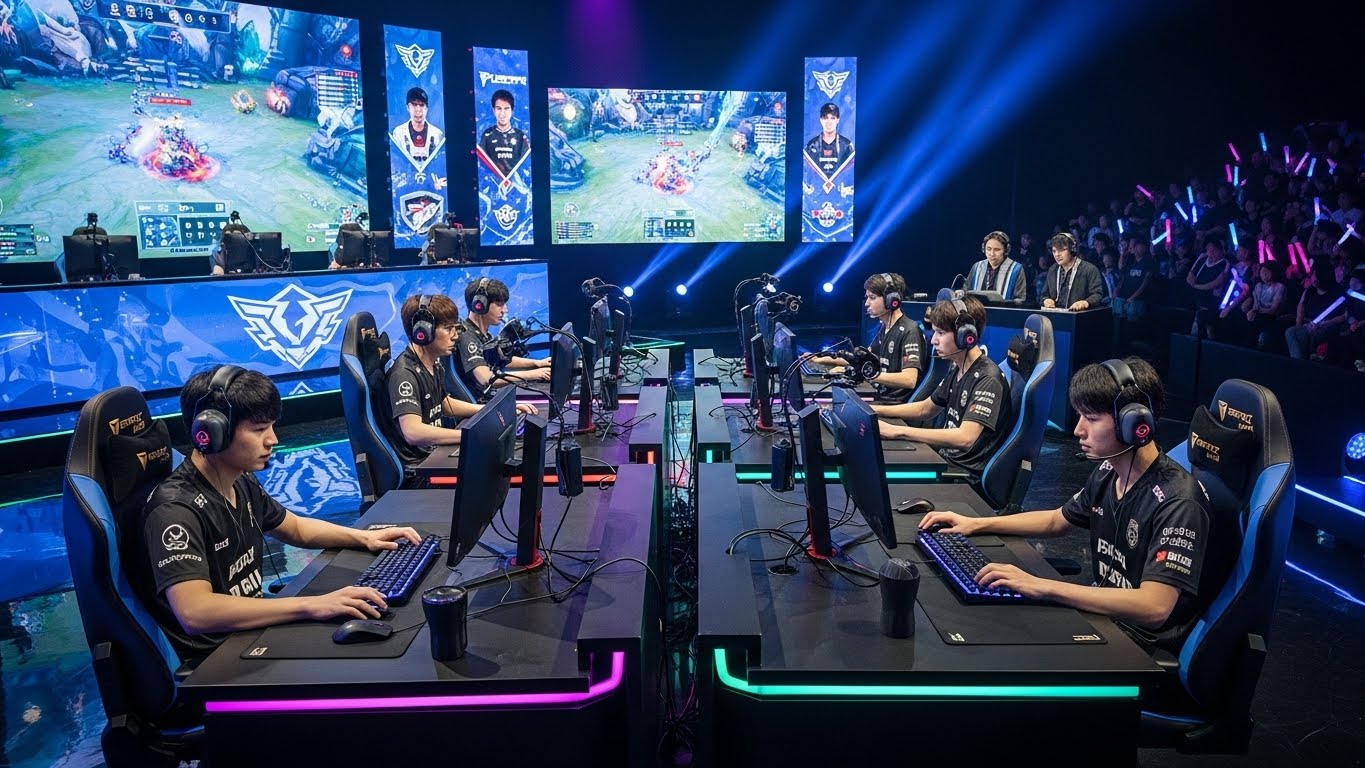
Esports, or competitive video gaming, has transformed from a niche hobby into a global phenomenon. What was once confined to small gatherings of gamers in internet cafes has evolved into a professional industry with tournaments, sponsorships, and international audiences rivaling traditional sports. The digital age has reshaped the way we perceive competition, entertainment, and even career opportunities, and esports sits right at the heart of this transformation.
The Origins of Esports
The story of esports begins in the late 1970s and early 1980s, with the rise of arcade games. Early competitions often took place in arcades, where players competed for high scores in games like Space Invaders and Pac-Man. By the 1990s, the advent of home consoles and personal computers led to more organized competitions. Titles such as Doom, Quake, and StarCraft laid the foundation for modern esports by establishing a competitive scene with recognizable players and organized tournaments.
The early 2000s marked a pivotal shift. Multiplayer online games became more popular, particularly real-time strategy and first-person shooter genres. Games like Counter-Strike and Warcraft III cultivated communities where competition was not only about skill but also teamwork and strategy. This period saw the first real signs of esports professionalism, as players began to dedicate significant time to training and tournaments began offering cash prizes.
The Global Expansion of Esports
Esports is no longer a local or regional phenomenon; it is global. South Korea played a significant role in popularizing competitive gaming during the early 2000s. The country’s professional gaming leagues, especially in StarCraft, were broadcast on television, turning players into celebrities. This model influenced other countries, eventually inspiring professional leagues and tournaments worldwide.
In North America and Europe, esports gained traction through online streaming platforms, which allowed fans to watch competitive gameplay from the comfort of their homes. Streaming platforms revolutionized the industry by creating a direct connection between players and fans, allowing for real-time engagement, commentary, and entertainment beyond the game itself.
Today, esports tournaments span the globe, from Asia to Europe to the Americas, featuring games as diverse as battle royales, MOBAs (multiplayer online battle arenas), and sports simulations. Major tournaments often fill stadiums with thousands of spectators and attract millions of viewers online. The sheer scale of these events highlights esports’ legitimacy as a global entertainment powerhouse.
The Economic Impact of Esports
The financial landscape of esports is impressive and continually growing. Revenue streams include sponsorships, advertising, merchandise, media rights, and tournament prize pools. Large corporations have recognized the potential in esports, investing millions to reach a younger, digitally-savvy audience.
Sponsorship deals with tech companies, energy drink brands, and even mainstream apparel companies have become commonplace. Esports organizations function similarly to traditional sports franchises, managing professional players, content creation, branding, and fan engagement. Major tournaments offer multi-million-dollar prize pools, making competitive gaming a viable career for those with exceptional skill and dedication.
The impact extends beyond professional players and organizations. Game developers, streaming platforms, and peripheral manufacturers all benefit from the growing esports ecosystem. Local economies can also experience boosts from hosting international events, with tourism, hospitality, and media exposure playing a role in financial growth.
The Role of Technology in Esports
Esports thrives on technological innovation. High-speed internet, powerful gaming PCs, and immersive peripherals are essential for competitive play. The rise of live streaming platforms has been a game-changer, enabling global audiences to watch tournaments in real time. Innovations in virtual reality and augmented reality hint at a future where esports could become even more interactive and immersive.
Data analytics also plays a crucial role in modern esports. Professional teams employ analysts to study player performance, game statistics, and opponent strategies. This data-driven approach allows teams to optimize strategies, identify weaknesses, and gain competitive advantages. Technology has not only enhanced gameplay but also elevated esports into a highly strategic, analytical discipline.
Career Opportunities in Esports
Esports has opened the door to a multitude of career paths beyond playing professionally. Content creation is one of the most prominent avenues, with streamers and influencers building audiences through gameplay, commentary, and entertainment. Coaching and team management are also growing fields, helping players refine skills and navigate the competitive scene. Analysts and commentators bring games to life for fans, while marketing and event management professionals handle sponsorships, promotions, and tournaments.
Additionally, esports has educational opportunities. Universities and colleges worldwide now offer programs in esports management, game design, and competitive play. Scholarships for talented players provide opportunities to combine education with professional gaming, further legitimizing esports as a serious career option.
The Social and Cultural Influence of Esports
Esports is more than just competition; it is a cultural movement. Communities form around games, bringing together players with shared interests from different countries, backgrounds, and age groups. Online forums, social media, and streaming platforms facilitate interaction, fostering friendships and collaboration.
Moreover, esports is influencing mainstream culture. Popular games inspire merchandise, media adaptations, and collaborations with celebrities. Music, fashion, and film increasingly intersect with esports, reflecting its role in shaping modern entertainment. The cultural impact is particularly noticeable among younger generations, who view esports as a valid form of competition and entertainment.
Challenges Facing the Esports Industry
Despite its rapid growth, esports faces challenges. Player burnout is a significant concern due to the intense training schedules required for professional competition. Mental health issues such as anxiety and depression are increasingly recognized, prompting organizations to provide support systems for players.
Regulation is another challenge. Unlike traditional sports, esports lacks universal governing bodies, leading to inconsistencies in rules, player contracts, and tournament organization. Cheating, hacking, and match-fixing remain threats, requiring constant vigilance from developers and organizers.
Inclusivity and diversity are ongoing issues. The industry has historically been male-dominated, but efforts are underway to promote participation by women and underrepresented groups. Creating a welcoming environment for all players and fans is essential for the continued growth of esports.
The Future of Esports
The future of esports looks promising. With advancements in technology, growing global audiences, and increasing investment, esports is poised to become an even more prominent part of the entertainment landscape. Virtual reality competitions, AI-assisted training, and global leagues could redefine how esports is played and consumed.
Moreover, mainstream recognition of esports continues to rise. Educational programs, governmental support, and inclusion in multi-sport events are indicators of legitimacy and permanence. As esports matures, it will continue to blur the lines between gaming, entertainment, and professional sport, offering new opportunities for players, fans, and businesses alike.
Conclusion
Esports has evolved from simple arcade competitions to a multi-billion-dollar industry with global influence. Its growth is driven by technology, community, and a passionate fan base. While challenges such as player well-being and regulation remain, the trajectory of esports points toward a future where competitive gaming is not just a hobby, but a respected, mainstream form of entertainment and career.
The digital age has redefined what it means to compete, and esports is at the forefront of this revolution. Whether as a player, fan, or industry professional, engaging with esports offers a glimpse into the evolving relationship between technology, entertainment, and human creativity. Beyond the screen, esports is shaping culture, economy, and society, proving that competitive gaming is more than just a pastime—it is a global movement.