
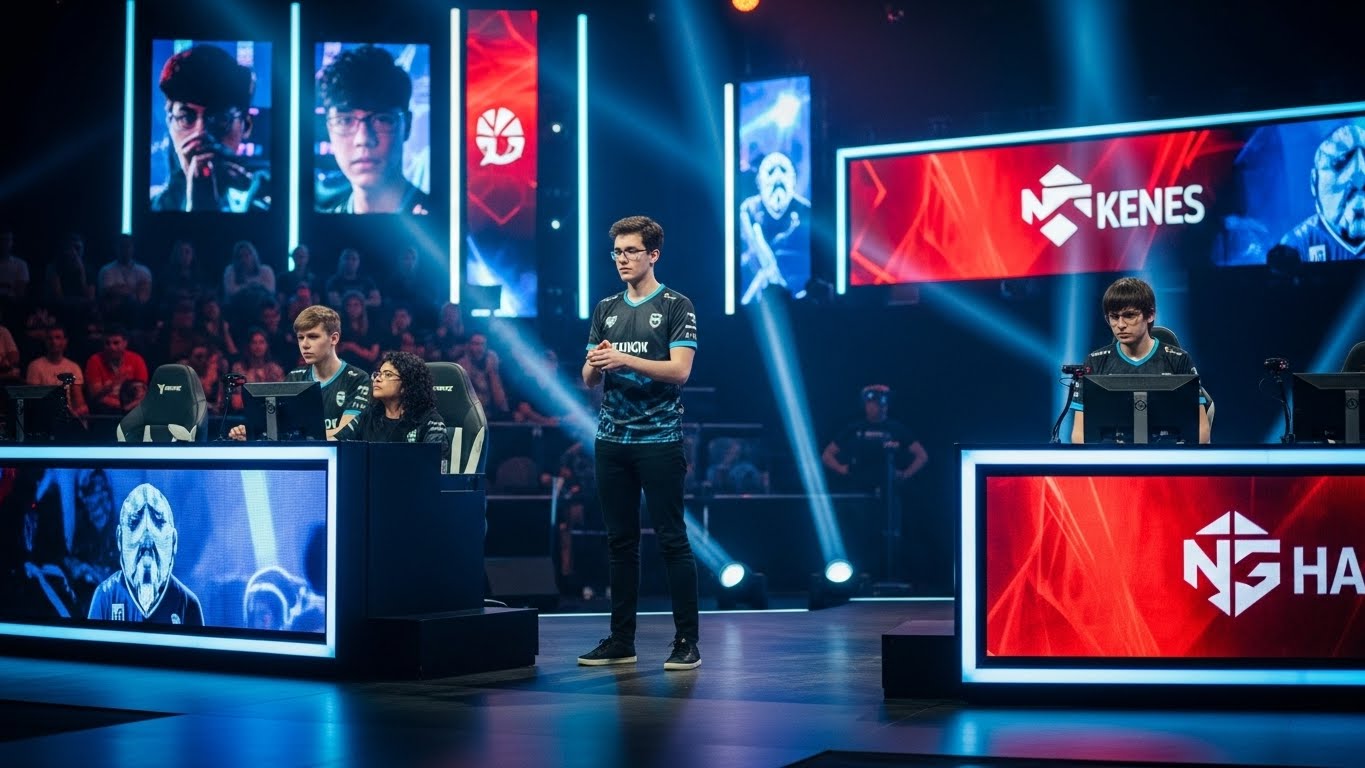
Esports, short for electronic sports, has transformed from a niche hobby into a global phenomenon, captivating millions of fans worldwide. Unlike traditional sports, esports takes place in a virtual arena, where players compete in video games ranging from first-person shooters to real-time strategy titles. This digital revolution has not only redefined the meaning of competition but also created new career paths, entertainment models, and communities. In this blog, we explore the history, growth, cultural impact, and future of esports.
The Origins of Esports
The concept of competitive gaming is not new. In the 1970s and 1980s, early arcade tournaments and gaming competitions laid the foundation for what would become esports. Games like Pong and Space Invaders attracted players eager to test their skills and achieve high scores. However, it wasn’t until the 1990s, with the rise of networked computers and online multiplayer games, that esports began to take shape in a recognizable form.
Games like Quake and StarCraft became the first widely recognized competitive games. StarCraft, in particular, sparked a massive professional scene in South Korea, where players were treated as national celebrities and competitions were broadcast on television. This era marked the transition of gaming from a casual pastime to a serious, organized sport.
The Growth of the Esports Industry
The growth of esports over the past two decades has been nothing short of extraordinary. Global tournaments now attract millions of viewers, with prize pools reaching millions of dollars. Titles such as League of Legends, Dota 2, and Counter-Strike: Global Offensive dominate the competitive scene. Esports organizations, similar to traditional sports franchises, recruit, train, and manage players while providing coaching, sponsorships, and marketing support.
The audience for esports has expanded exponentially. Major tournaments, such as the League of Legends World Championship, draw live viewership numbers comparable to traditional sports events. Streaming platforms have also played a significant role in esports’ popularity, allowing fans to watch professional gameplay in real time from anywhere in the world. The accessibility of streaming platforms has democratized esports viewership, enabling even casual fans to engage with competitions.
Professional Esports Players: The New Athletes
Professional esports players are no longer just enthusiasts; they are full-time athletes. These players dedicate countless hours to training, refining strategies, and improving reflexes. Physical fitness, mental health, and teamwork are crucial components of their success. Many esports players follow strict routines, including reaction time exercises, diet plans, and mental conditioning, to maintain peak performance.
Unlike traditional athletes, esports competitors rely heavily on hand-eye coordination, strategic thinking, and split-second decision-making. The mental pressure of performing in front of thousands or even millions of spectators is immense. Players often face burnout due to the intensity of practice schedules, travel for tournaments, and public scrutiny. Despite these challenges, professional gaming offers a lucrative career path, with top players earning substantial salaries, sponsorships, and endorsement deals.
Esports as Entertainment
Esports is more than just competition; it is a form of entertainment. Streamers, content creators, and commentators add a layer of engagement that is unique to digital sports. The personalities of players, the drama of tournaments, and the excitement of unexpected outcomes all contribute to the entertainment value.
Esports tournaments are often produced with high-quality visuals, dynamic commentary, and interactive features for viewers. Spectators can analyze strategies, cheer for favorite teams, and even participate through online chats and social media. This interactive aspect creates a sense of community, where fans feel connected not only to the players but also to each other. The entertainment dimension of esports has helped it expand beyond gaming enthusiasts to mainstream audiences.
The Cultural Impact of Esports
Esports has significantly influenced modern culture, especially among younger generations. Gaming is no longer seen as a solitary or recreational activity; it has become a shared experience that fosters social interaction, collaboration, and competition. Esports has also broken cultural and geographical barriers, connecting players and fans from different countries through a common passion.
The rise of esports has inspired new forms of storytelling and media. Documentaries, films, and series focused on competitive gaming showcase the human stories behind the players, emphasizing dedication, rivalry, and triumph. Esports has also impacted education, with universities offering scholarships and courses in competitive gaming, management, and digital media. This integration into mainstream culture signals that esports is not just a passing trend but a permanent fixture in society.
Technology Driving Esports
Esports owes its success to rapid technological advancements. High-speed internet, powerful gaming hardware, and sophisticated software have enabled smooth online competitions and immersive experiences. Streaming technology allows real-time broadcasting to millions of viewers, while analytics tools provide teams with detailed insights into performance and strategy.
Virtual reality (VR) and augmented reality (AR) are emerging technologies that could further revolutionize esports. VR tournaments provide a fully immersive experience, placing players and spectators inside the game world. As technology continues to evolve, the line between traditional sports and esports may blur even further, creating new possibilities for interactive entertainment.
Challenges Facing Esports
Despite its growth, esports faces several challenges. The physical and mental strain on players is a serious concern. Long hours of practice, irregular sleep schedules, and intense competition can lead to stress, anxiety, and health issues. Organizations and governing bodies are increasingly recognizing the need for player wellness programs and support systems.
Another challenge is the perception of esports as a “real sport.” Critics argue that gaming lacks the physicality of traditional sports. However, esports requires a high degree of skill, strategy, and mental endurance, comparable to that of traditional athletic competitions. As society becomes more digitally oriented, these debates may continue but are gradually losing relevance as esports proves its legitimacy.
Regulation is another ongoing issue. With massive prize pools, sponsorships, and betting opportunities, ensuring fair play and preventing cheating is critical. Developers, tournament organizers, and governing bodies must collaborate to maintain integrity and transparency in competitions.
The Future of Esports
The future of esports looks incredibly promising. With increasing investment from major brands, expanding audiences, and the integration of cutting-edge technologies, esports is poised to become a dominant form of entertainment and competition. Traditional sports organizations are also entering the esports space, creating hybrid models and cross-promotional opportunities.
Education and professional development in esports are expanding as well. Universities are establishing esports programs, offering degrees in gaming management, digital media, and game design. This institutional recognition solidifies esports as a viable career path and fosters a new generation of skilled professionals.
Furthermore, the globalization of esports ensures that it will continue to break cultural and geographical barriers. Online competitions and virtual communities allow players from around the world to compete and collaborate, fostering international camaraderie and healthy competition.
Conclusion
Esports has evolved from humble beginnings in arcades to a global industry with millions of fans, professional athletes, and lucrative opportunities. It has reshaped the way people view competition, entertainment, and digital culture. As technology advances and society embraces digital experiences, esports will continue to grow, innovate, and inspire.
From professional players dedicating their lives to perfecting their craft to fans forming global communities, esports is more than a pastime—it is a cultural movement. Its influence will only expand in the coming years, proving that competitive gaming is here to stay and will continue to redefine the future of sports and entertainment.