
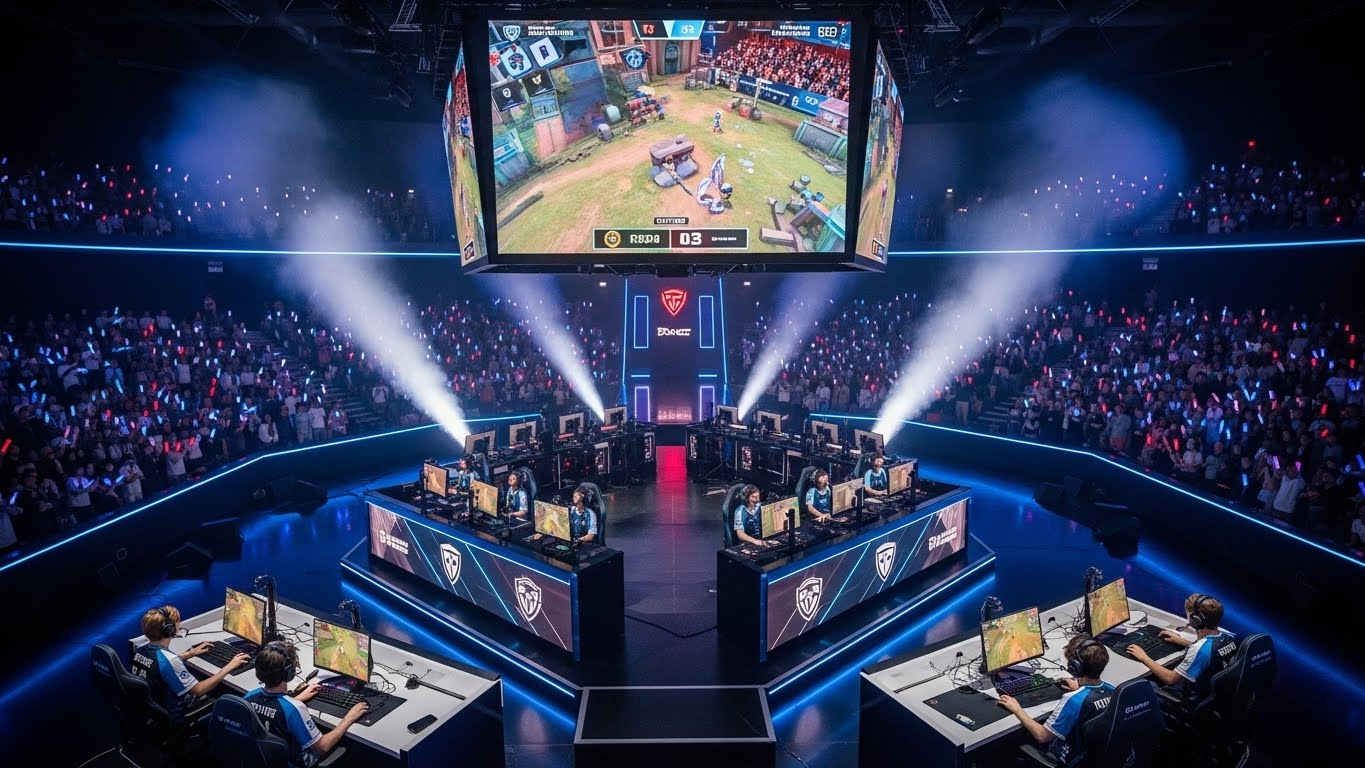
Esports, or electronic sports, has evolved from a niche pastime into a global phenomenon, captivating millions of players and spectators alike. What was once seen as mere video gaming has transformed into a legitimate competitive industry, reshaping how we perceive sports, entertainment, and even professional careers. This blog explores the rise of esports, its cultural significance, economic impact, challenges, and future prospects.
The Evolution of Esports
Esports has roots stretching back decades. In the late 1970s and early 1980s, simple arcade competitions and early PC games allowed players to test their skills against one another. The first known video game tournament, the Space Invaders Championship, took place in 1980, attracting thousands of participants. Over the years, advancements in technology, internet connectivity, and online gaming platforms paved the way for more structured and large-scale competitions.
By the late 1990s, games like StarCraft, Counter-Strike, and Warcraft III began forming dedicated competitive scenes. South Korea, in particular, became a hub for professional gaming, introducing structured leagues and televised matches that captured national attention. This period marked the birth of esports as we know it today—a fusion of competitive skill, entertainment, and community engagement.
The Global Popularity of Esports
Esports has experienced exponential growth worldwide. What began as local competitions has transformed into international tournaments with multi-million-dollar prize pools. Games like League of Legends, Dota 2, Fortnite, and Call of Duty have created global communities that transcend geographic boundaries. Major tournaments, such as The International for Dota 2 or the League of Legends World Championship, attract millions of live viewers online and in stadiums, rivaling traditional sports events.
The growth is not just in viewership. Esports organizations now operate similarly to professional sports teams, hiring coaches, analysts, content creators, and even sports psychologists. Players dedicate hours daily to training, following strict routines and strategies to maintain peak performance. Sponsorships and brand partnerships further reinforce the legitimacy of esports, as corporations recognize the industry’s reach and influence.
Economic Impact and Career Opportunities
The esports industry has created a multitude of economic opportunities. The global esports market generates billions of dollars annually, with revenue streams spanning advertising, sponsorships, ticket sales, media rights, merchandise, and game publisher investments. Esports tournaments alone contribute significantly to local economies, boosting tourism, hospitality, and related sectors.
Career opportunities in esports extend far beyond professional players. Event management, marketing, broadcasting, game development, coaching, and content creation are thriving professions in the esports ecosystem. Additionally, educational institutions have begun offering esports scholarships, degrees, and programs to prepare students for careers in this emerging field. This professionalization underscores the growing recognition of esports as a serious industry.
The Role of Streaming and Content Creation
Streaming platforms have played a pivotal role in esports’ rise. Platforms like Twitch, YouTube Gaming, and Facebook Gaming allow players to broadcast gameplay to global audiences, fostering a sense of community and fan engagement. Streaming is no longer limited to professional players; amateur gamers, influencers, and content creators can cultivate substantial followings, creating additional income opportunities.
Content creation in esports goes beyond live streaming. Tutorials, highlight reels, commentary, podcasts, and behind-the-scenes videos contribute to the ecosystem, making esports more accessible and entertaining. This content-driven approach has blurred the line between gaming, media, and entertainment, appealing to both hardcore enthusiasts and casual viewers.
Esports and Cultural Influence
Esports has become a cultural phenomenon, influencing music, fashion, lifestyle, and social interactions. Gaming culture has inspired merchandise, apparel, and collaborations with mainstream brands, further integrating esports into everyday life. Cosplay, fan art, and community events reflect the creativity and passion within the esports community, highlighting the subculture that thrives alongside competitive gaming.
Moreover, esports has reshaped social dynamics, providing a platform for players to connect regardless of physical location. Online communities encourage collaboration, teamwork, and friendly competition, fostering inclusivity among individuals from diverse backgrounds. This cultural integration demonstrates that esports is more than entertainment; it is a social movement that redefines community and engagement.
Challenges Facing Esports
Despite its rapid growth, esports faces several challenges. One significant issue is the perception of gaming as a legitimate career. While society has gradually accepted esports as professional competition, skepticism remains, particularly regarding the long-term stability of gaming careers. Many players face burnout, mental health challenges, and physical strain due to intense training schedules and pressure to perform.
Regulation and governance also pose challenges. Unlike traditional sports with established regulatory bodies, esports is fragmented, with different game publishers controlling competitive structures. This lack of standardization can lead to disputes, inconsistent rules, and uneven competitive environments. Addressing these challenges is crucial for sustaining the industry’s growth and credibility.
Technology and Innovation in Esports
Technology has been a driving force behind esports’ evolution. High-speed internet, powerful gaming hardware, and virtual reality innovations have enhanced gameplay experiences, spectator engagement, and tournament organization. Esports tournaments now feature advanced broadcasting technologies, augmented reality graphics, and interactive viewer experiences, making them more immersive and engaging.
Artificial intelligence and analytics also play a critical role in esports. Teams use AI-driven tools to analyze opponent strategies, optimize gameplay, and enhance training routines. Data-driven insights contribute to higher levels of competition, enabling players to refine their skills and make strategic decisions with precision. This integration of technology ensures that esports continues to evolve alongside advancements in gaming and digital media.
Inclusivity and Diversity in Esports
Esports has made strides in promoting inclusivity and diversity, though there is room for improvement. The industry attracts players and fans from varied backgrounds, genders, and cultures, creating opportunities for underrepresented groups to participate and excel. Initiatives promoting women in gaming, accessible tournaments for players with disabilities, and community-driven inclusion programs contribute to a more equitable esports landscape.
However, challenges such as harassment, toxicity, and unequal representation persist. Addressing these issues requires concerted efforts from developers, organizations, and community leaders. Promoting safe, welcoming environments ensures that esports remains a platform for creativity, skill, and collaboration for everyone.
The Future of Esports
The future of esports looks promising, with continued growth in viewership, investment, and technological innovation. Virtual reality and augmented reality could revolutionize competitive gameplay, offering immersive experiences for players and spectators alike. Blockchain technology and NFTs may influence esports economies, providing new revenue streams and fan engagement opportunities.
Moreover, esports is likely to integrate further with traditional sports, entertainment, and education. Collaborations between esports leagues and professional sports organizations, inclusion in academic programs, and the development of hybrid events blending physical and digital experiences will continue shaping the industry. As esports matures, it will solidify its position as a mainstream cultural and economic force.
Conclusion
Esports has come a long way from its humble beginnings as a hobby for enthusiasts. Today, it is a global phenomenon that blends competition, entertainment, culture, and community. With millions of fans, professional players, and diverse career opportunities, esports continues to challenge traditional notions of sports and redefine what it means to compete in the digital age. While challenges remain, the industry’s resilience, innovation, and cultural significance point to a future where esports will be an integral part of modern society. Beyond the screen, esports is shaping a new world of opportunity, connection, and excitement—an evolving landscape where skill, strategy, and passion converge to create a truly global stage.