
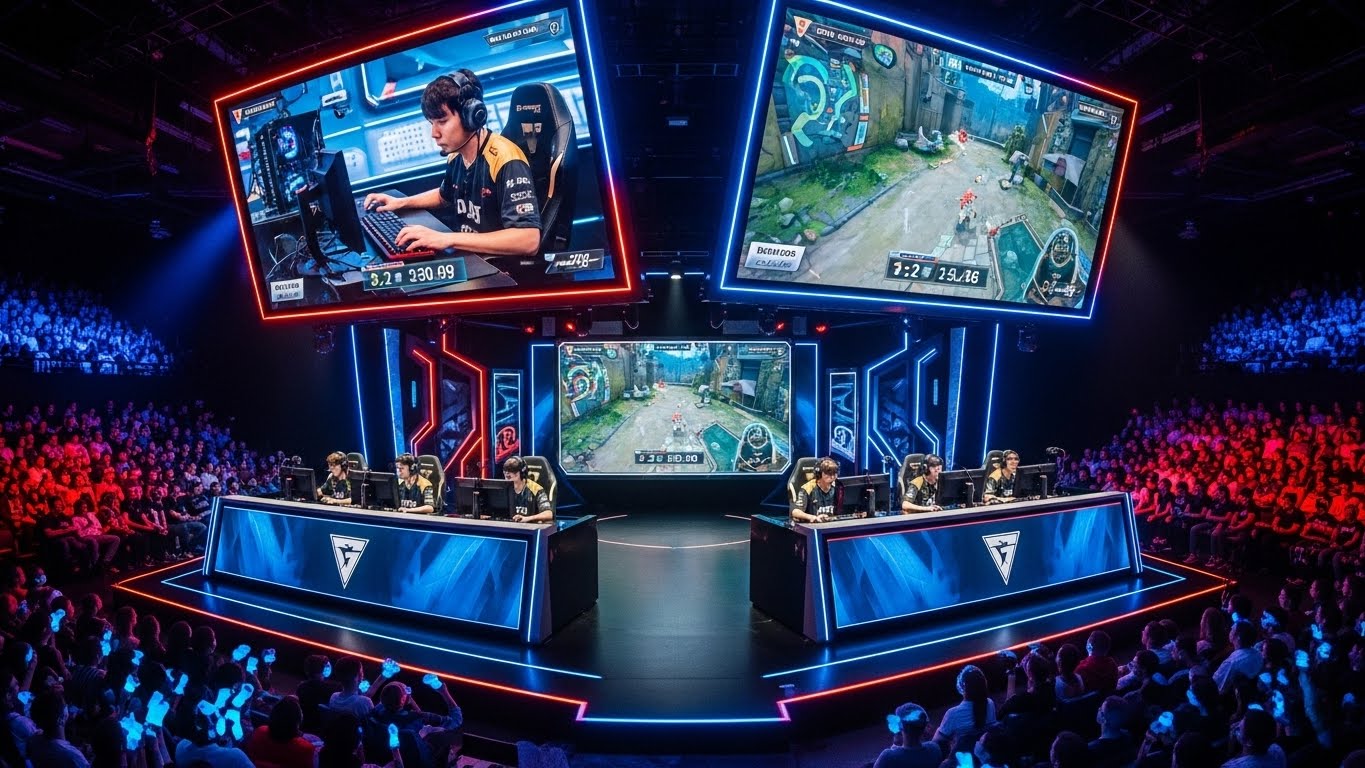
Introduction The New Age of Competitive Gaming
Esports has rapidly evolved from a niche hobby to a global powerhouse in the entertainment and sports industries. What was once a pastime shared among small groups of dedicated gamers has grown into a massive cultural movement, attracting millions of players and spectators worldwide. Today, esports stands as a multi-faceted form of competition that blends strategy, technology, community, and storytelling. It engages audiences in ways that traditional sports sometimes cannot, offering real-time interaction, fast-paced action, and a sense of global connection. Esports is more than gaming; it is a revolution in how people compete, communicate, and celebrate achievements.
The Origins of Esports
The concept of competitive gaming began decades ago, long before esports became what it is today. Early arcade machines introduced score-based competitions, setting the foundation for gaming as a spectator activity. Gamers challenged one another for high scores, and local tournaments created small but passionate communities. As gaming consoles and personal computers gained popularity, the competitive scene expanded. The earliest tournaments may have been modest, but they represented a growing desire for structured competition and recognition.
With the rise of online multiplayer gaming, esports entered a new era. Players no longer needed to be in the same room to compete. Instead, the internet connected them across continents. This technological shift transformed competitive gaming into a global experience and paved the way for professional leagues, sponsorships, and large-scale tournaments.
The Growth of Esports Into a Global Phenomenon
Esports has grown exponentially over the past two decades. Stadiums have been filled with cheering fans, and major tournaments attract millions of viewers around the world. The rise of professional teams, trained athletes, and organized leagues has shaped esports into a legitimate sporting industry. National pride, rivalries, and community identity now play major roles in gaming competitions, similar to traditional sports.
Professional esports organizations operate like real sports franchises, with coaches, analysts, training facilities, psychologists, and physical fitness programs. Esports is no longer limited to casual play. It requires discipline, strategy, teamwork, and mental resilience. The scale of tournaments, the financial rewards, and the prestige associated with major titles have elevated esports to international prominence.
Whether Esports Is a Sport
Debates about whether esports should be considered a sport continue, but the evidence increasingly supports its legitimacy. Just like traditional athletes, esports competitors train for hours each day, refining their reflexes, learning strategies, and developing coordination. The mental focus required to compete at high levels is immense. Players must analyze complex situations, make split-second decisions, and work seamlessly with their teammates.
While esports may not require the same physical activity as football or basketball, it demands intense mental stamina, hand-eye coordination, and strategic thinking. Competitive gaming also involves endurance, concentration, teamwork, and discipline, which are core characteristics of sports. As esports continues to grow and gain recognition, the distinction between digital and traditional sports becomes less significant.
Popular Esports Games and Genres
Different genres dominate the esports landscape, each offering unique challenges and gameplay styles. Multiplayer online battle arena games emphasize teamwork, strategy, and long-term planning. First-person shooters demand quick reflexes, sharp aim, and precise coordination. Fighting games focus on timing, technical skill, and mind games between opponents. Sports simulation games recreate the excitement of real-world sports while incorporating gaming mechanics and player creativity. Real-time strategy games require fast decision-making and resource management.
Each game creates its own competitive ecosystem, complete with tournaments, rankings, and professional players. Fans gravitate to their favorite genres based on gameplay style and entertainment value. This diversity allows esports to appeal to a global audience with different tastes and preferences.
Professional Players and Training Culture
Behind the excitement of esports competitions are players who dedicate countless hours to perfecting their craft. Professional gamers train rigorously, often practicing eight to twelve hours a day. Their training includes studying gameplay replays, sharpening mechanics, practicing team coordination, and analyzing opponents. Top players must constantly evolve, adapting to updates, new strategies, and emerging talent.
Professional players are supported by coaches who specialize in strategy, performance analysis, and communication. Sports psychologists help athletes manage pressure, improve focus, and maintain emotional balance. Physical fitness is also becoming a significant aspect of esports training, with players encouraged to exercise regularly to improve endurance and overall health. The lifestyle of an esports athlete demands discipline, mental strength, and unwavering commitment.
The Spectator Experience and Esports Fandom
Esports has created a new kind of fan culture. Spectators engage with players and teams through live chats, online communities, and social media. Fans develop emotional connections to teams, rooting for them with the same passion seen in traditional sports. The atmosphere at live tournaments is electric, with enthusiastic crowds cheering for every move, victory, and upset.
What makes esports unique is the accessibility of its content. Fans can watch matches live from anywhere in the world. They can interact directly with their favorite players and even play the same games professionally played. This level of interaction creates an immersive and personalized experience that traditional sports cannot always match.
The Role of Technology in Esports Advancement
Technology has played a crucial role in shaping esports. High-performance computers, advanced graphics, fast internet connections, and streaming platforms have elevated the industry. Game developers continue to improve mechanics, visuals, and competitive balance. Streaming software allows fans to watch tournaments in real time, complete with expert commentary and analysis.
Virtual reality and augmented reality represent the next frontier of gaming and competitive play. These technologies may reshape esports by adding new layers of immersion, physical interaction, and strategic complexity. Innovations in artificial intelligence are also influencing game development, training tools, and performance analysis. The relationship between esports and technology is symbiotic, with each driving the other forward.
The Economic Power of Esports
Esports is no longer just entertainment; it is a thriving global industry. Revenue streams come from sponsorships, merchandise, media rights, advertising, team branding, and tournament prize pools. Professional organizations build partnerships with major brands, while players earn income through salaries, endorsements, and content creation.
Job opportunities in esports continue to expand. Beyond players and coaches, there are roles in marketing, event management, game design, analytics, broadcasting, journalism, and content production. Esports ecosystems stimulate local economies through events and tourism, contributing significantly to the global digital economy.
Esports in Schools and Universities
Esports has entered the education system, with schools and universities worldwide offering scholarships, organized teams, and academic programs related to gaming and digital competitions. Students learn valuable skills such as teamwork, critical thinking, communication, and strategic planning. Educational programs also teach broadcasting, game development, event management, and esports business operations.
Integrating esports into education bridges the gap between entertainment and career development. It encourages students to pursue their passions while building practical skills for the digital future.
Mental Health and Challenges in Esports
Although esports brings excitement and opportunity, it also comes with challenges. The pressure to perform at the highest levels can impact mental health. Players must manage stress, maintain discipline, and handle public scrutiny. Burnout is a common issue due to intense training schedules and constant competition.
To address these challenges, organizations are investing in mental health support, structured routines, and wellness programs. Ensuring balance and long-term sustainability is essential for the continued growth of the industry.
The Future of Esports
The future of esports is full of potential. As technology advances, esports will become more immersive, global, and inclusive. New game genres will emerge, virtual and augmented reality competitions will evolve, and more countries will embrace esports as part of their cultural identity.
Esports will likely play a central role in entertainment, education, and technological innovation. The fusion of competition and digital creativity ensures that esports will remain at the forefront of modern culture for decades to come.
Conclusion Esports as a Cultural Force
Esports is not just a trend; it is a cultural force reshaping entertainment, sports, technology, and community. It has given rise to new careers, new global connections, and a new generation of digital athletes. From casual players to professional teams and passionate fans, esports has created a world where competition thrives without physical boundaries. As the industry continues to grow, esports will remain a symbol of innovation, unity, and human potential in the digital era.