
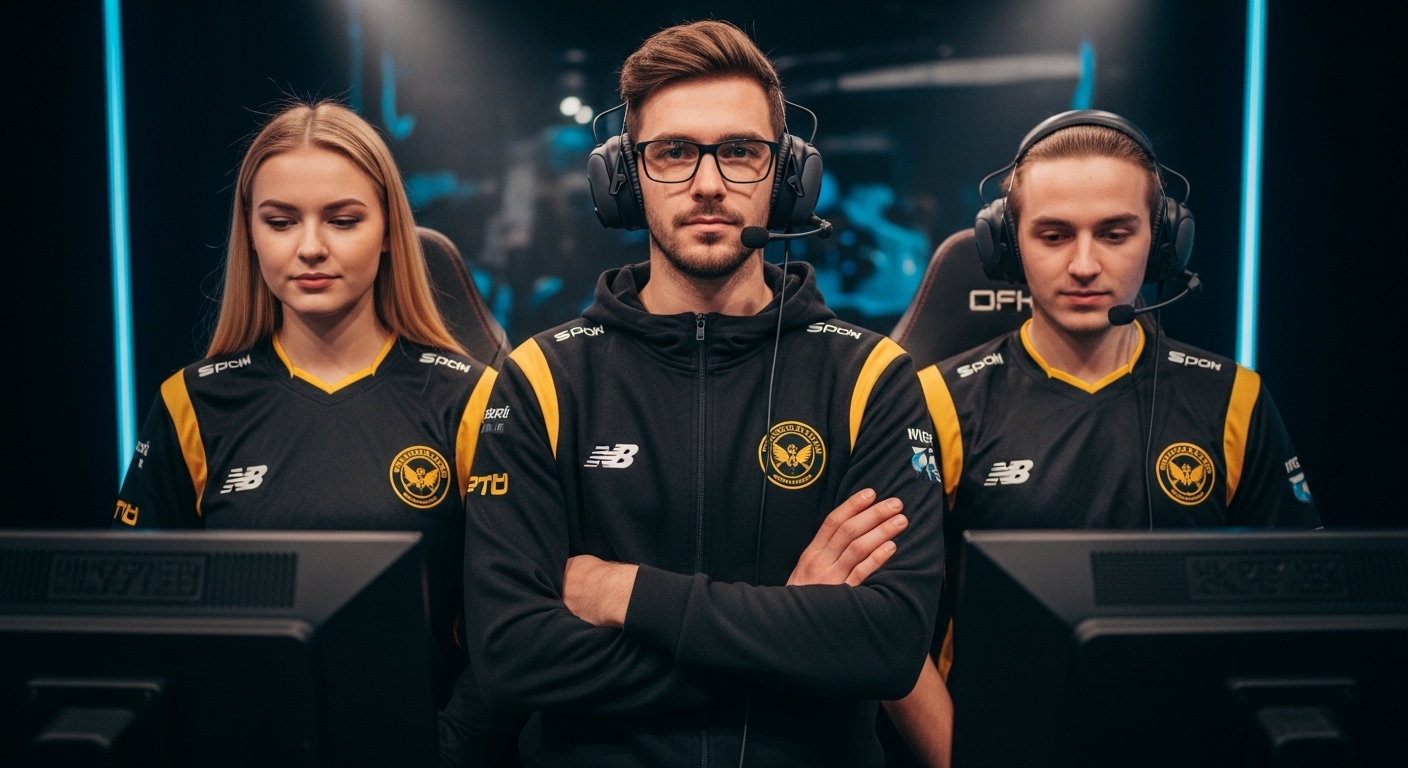
Esports, or competitive video gaming, has undergone a meteoric rise in the past decade, transforming from a niche hobby to a global phenomenon. What was once considered a pastime for a small community of gamers has now become a multi-billion-dollar industry, attracting millions of viewers, sponsors, and players worldwide. From tournaments with huge cash prizes to professional teams, sponsorships, and live-streaming platforms, esports is shaping the future of both competitive gaming and entertainment.
In this blog post, we will explore the evolution of esports, the factors contributing to its success, the major players in the industry, and what the future holds for this ever-growing field. Whether you’re a gamer yourself or simply curious about the phenomenon, this post will give you a comprehensive look at the world of esports.
The Evolution of Esports: From Hobby to Global Industry
Esports has a rich history that dates back to the early days of gaming. In the 1970s and 1980s, competitive gaming was limited to small-scale local tournaments and arcades. One of the earliest known competitions took place in 1972 at Stanford University, where students competed in a Spacewar tournament. However, it wasn’t until the late 1990s and early 2000s that esports began to take shape as a formalized and organized industry.
The rise of the internet played a crucial role in the growth of esports. Online multiplayer games like Quake and StarCraft brought players together from around the world, and the first major esports tournaments were held in the late 1990s. In South Korea, the development of high-speed internet infrastructure in the early 2000s helped create the perfect environment for competitive gaming to thrive. StarCraft became a cultural phenomenon, and professional esports leagues like the Korean Pro League were born.
As the 2000s progressed, games like League of Legends, Dota 2, and Counter-Strike continued to fuel the competitive gaming scene. The launch of streaming platforms such as Twitch in 2011 allowed fans to watch live esports tournaments from anywhere in the world, helping to globalize the industry even further.
The Factors Behind Esports’ Rapid Growth
Several key factors have contributed to the rapid rise of esports as a mainstream form of entertainment. Understanding these factors is crucial to appreciating why esports is no longer just a niche hobby but a global phenomenon.
- Accessibility and Technology: The advancements in internet speeds, gaming consoles, and PC hardware have made it easier than ever for people to play competitive games and watch high-quality streams. High-speed internet allows gamers to compete in real-time without lag, and streaming platforms like Twitch and YouTube have made it possible for fans to tune in to live events from anywhere in the world.
- Social Media and Streaming Platforms: Platforms like Twitch, YouTube Gaming, and even Facebook Gaming have given players and fans a space to interact, share content, and build communities. These platforms have not only helped promote esports events but have also given rise to gaming influencers, content creators, and professional streamers who have become celebrities in their own right. The ability to interact with fans in real-time has helped build a global fanbase and increase engagement with esports events.
- Mainstream Media Coverage: Traditional media outlets have started to take notice of the esports phenomenon. Major television networks, such as ESPN and TBS, now broadcast esports tournaments, while sports media outlets report on esports events just like any other sport. This coverage has helped validate esports as a legitimate and exciting form of entertainment, attracting a wider audience and more sponsorship deals.
- Big Investments and Sponsorships: Esports has attracted the attention of major corporations, investors, and brands. Companies like Coca-Cola, Intel, and Red Bull have partnered with esports leagues and tournaments, investing millions into the industry. These sponsorships provide the financial backing necessary for esports to continue growing, from prize pools to player salaries. The involvement of traditional sports teams and media companies also signals the mainstream acceptance of esports as a legitimate business.
- Professionalization and Infrastructure: The esports industry has professionalized over time, with established leagues, professional teams, and talent agencies. Players now have careers in esports, with salaries, benefits, and contracts similar to traditional athletes. Tournaments like The International (Dota 2), League of Legends World Championship, and CS:GO Major Championships offer massive prize pools, some of which reach millions of dollars, attracting top-tier talent and creating a competitive environment that rivals traditional sports.
Key Games Driving the Esports Revolution
While there are many games that contribute to the growth of esports, certain titles have become iconic in the competitive gaming scene, driving the industry forward. These games have not only attracted professional players but also captured the attention of millions of fans worldwide.
- League of Legends (LoL): League of Legends is one of the most popular and enduring esports games in the world. Developed by Riot Games, LoL is a multiplayer online battle arena (MOBA) game where teams of five players compete to destroy the enemy’s base. LoL boasts a massive global player base and an established professional league system. The League of Legends World Championship is one of the largest esports events in the world, with millions of viewers tuning in to watch the best teams compete for the championship title.
- Dota 2: Developed by Valve, Dota 2 is another popular MOBA that has become a staple in the esports community. The game features intense strategic gameplay and team coordination, and its tournament scene is one of the most lucrative in the world. The International, Dota 2’s flagship event, offers one of the highest prize pools in esports, often exceeding $30 million. The excitement and drama of these tournaments have drawn a global audience, solidifying Dota 2 as a top contender in the esports industry.
- Counter-Strike: Global Offensive (CS:GO): CS:GO is a first-person shooter (FPS) that has been a mainstay in the esports world since its release in 2012. The game’s competitive nature and emphasis on teamwork and strategy have made it a favorite among esports fans. The CS:GO Major Championships, which are held multiple times a year, are some of the most prestigious tournaments in esports, featuring top-tier teams from around the world.
- Fortnite: Fortnite exploded onto the gaming scene in 2017, not just as a popular battle royale game but as an esports title in its own right. With its vibrant graphics, dynamic gameplay, and regular in-game events, Fortnite has attracted millions of players. The Fortnite World Cup offers massive prize pools, and its success has encouraged other developers to integrate esports elements into their games, further fueling the growth of competitive gaming.
- Overwatch: Blizzard’s Overwatch has become one of the leading esports titles, especially after the launch of the Overwatch League (OWL), which mirrors traditional sports leagues with city-based teams and a structured season. The OWL has provided a unique platform for both professional players and fans, and the game’s emphasis on teamwork and strategy makes it a thrilling spectator sport.
Esports as a Global Entertainment Phenomenon
Esports is no longer confined to a small group of passionate gamers. It has transformed into a global entertainment phenomenon, with major events taking place in arenas and stadiums, and millions of people tuning in online to watch these events live.
- Esports Tournaments and Events: Esports tournaments, such as The International for Dota 2, League of Legends World Championship, and ESL One, have become large-scale events that draw huge crowds and global audiences. These events are broadcast online through platforms like Twitch, YouTube, and Facebook, and some even make their way onto television networks, providing viewers with round-the-clock coverage.
- Esports as a Spectator Sport: Watching esports has become a social activity for millions around the world. Fans gather online to watch their favorite players compete in real time, and platforms like Twitch allow viewers to interact with streamers, cheer for their favorite teams, and discuss gameplay. Esports’ interactivity, where fans feel like they are part of the action, sets it apart from traditional sports and entertainment.
- Esports and Traditional Sports: One of the most significant developments in esports has been its increasing crossover with traditional sports. In recent years, major sports organizations, such as the NBA and NFL, have entered the esports space, either by sponsoring teams or launching their own gaming leagues. This fusion of traditional sports and esports signals that gaming is now being taken seriously as a legitimate form of competition.
The Future of Esports
As esports continues to grow, the future of competitive gaming holds exciting possibilities. With increasing investment, mainstream media coverage, and technological advancements, esports is poised to become an even larger part of global entertainment. Key trends to watch for in the future include:
- Esports in Education: Schools and universities are beginning to recognize esports as a viable career path and educational opportunity. Several colleges have established esports programs and scholarships, encouraging students to pursue careers in gaming, whether as professional players, coaches, analysts, or content creators.
- Increased Globalization: Esports is already a global industry, but it will continue to expand into new regions, particularly in markets like Asia, Latin America, and Africa. As gaming culture spreads worldwide, more countries will develop their own esports ecosystems, contributing to the overall growth of the industry.
- Virtual Reality (VR) and Augmented Reality (AR): The rise of VR and AR could change the way people experience esports. Imagine competing or spectating in a fully immersive virtual environment, where players interact with each other