
Introduction
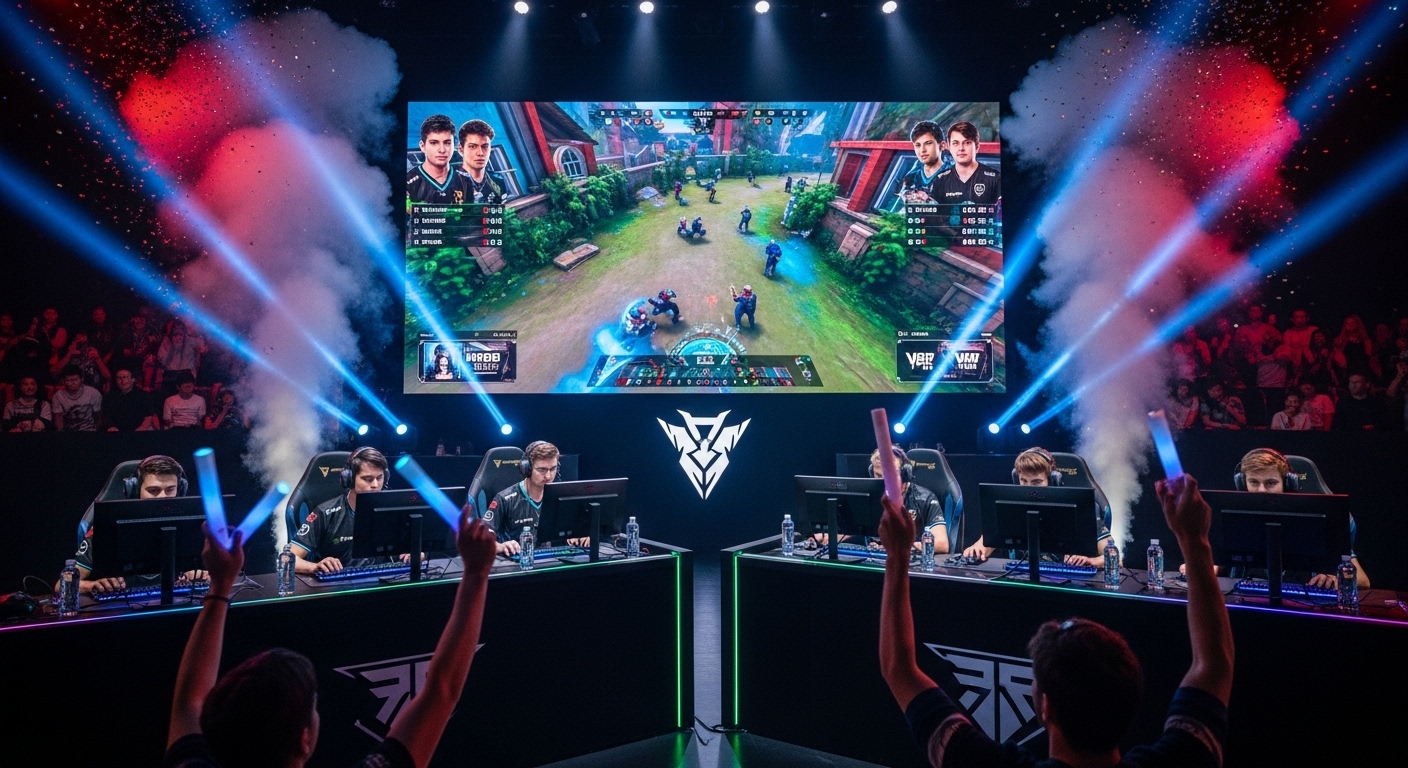
Esports has emerged as one of the most exciting and rapidly growing sectors in the global entertainment industry. Once a niche hobby reserved for a select group of gamers, esports has now evolved into a multi-billion-dollar business with millions of viewers, professional players, and lucrative sponsorships. From humble beginnings in local tournaments to sold-out arenas and broadcasted events reaching millions online, esports is changing the way we think about competitive gaming, entertainment, and even career opportunities. But what exactly is driving this meteoric rise, and how is it shaping the future of both gaming and sports? This blog will delve into the world of esports, its impact on gaming culture, and what makes it a unique phenomenon in the modern entertainment landscape.
The Birth of Esports
The roots of esports can be traced back to the early days of competitive gaming. In the 1990s, games like Street Fighter and Quake saw the first organized competitions, often hosted in small venues or through LAN (Local Area Network) parties. While the events were relatively modest, they sparked the idea of turning gaming into a competitive sport.
The real turning point came in the early 2000s with the release of StarCraft in South Korea. This game became the epicenter of competitive gaming in the region, where professional players, or “pro gamers,” began earning recognition, sponsorships, and even salaries for their participation in tournaments. South Korea quickly became the esports hub, establishing professional leagues and dedicated TV channels to broadcast gaming events. This laid the groundwork for the explosive growth of esports in the years to follow.
By the mid-2010s, games like League of Legends, Dota 2, Counter-Strike: Global Offensive, and Overwatch brought esports to a global audience. Large-scale tournaments like the League of Legends World Championship and the The International for Dota 2 started drawing millions of viewers, both online and in-person, with prize pools in the millions. As internet infrastructure improved and platforms like Twitch emerged, esports was poised for the global recognition it enjoys today.
The Mechanics of Esports: What Makes It Competitive?
At its core, esports is about competition, strategy, and skill. What separates esports from casual gaming is the level of professionalism, organization, and the sheer talent required to compete at the highest level. Unlike traditional sports, where physical prowess plays a major role, esports relies on mental acuity, reflexes, coordination, and teamwork.
In many esports titles, players need to make quick decisions, often under immense pressure, and work together in teams to outsmart and outplay their opponents. Whether it’s managing resources in a Real-Time Strategy (RTS) game like StarCraft, executing precise team strategies in First-Person Shooters (FPS) like Counter-Strike, or coordinating complex tactics in Multiplayer Online Battle Arenas (MOBAs) like League of Legends, every match is a battle of wits as much as skill.
The Global Esports Ecosystem
Esports is no longer just about playing video games in a basement; it has become a highly organized and commercialized global ecosystem. The professional esports scene includes players, teams, coaches, analysts, sponsors, tournament organizers, and media. It involves a delicate balance of talent, management, and business.
Esports Teams and Players:
Top esports teams, like Cloud9, Team Liquid, and SK Telecom T1, have rosters of players who specialize in specific games. These players train rigorously, practicing for hours each day, studying game mechanics, reviewing gameplay footage, and refining their skills in preparation for competition. Just like traditional athletes, esports players must maintain peak performance to stay competitive in their respective titles.
Tournaments and Leagues:
Esports competitions are often organized into leagues or tournament circuits. Some of the biggest tournaments, such as the League of Legends World Championship or The International for Dota 2, offer multi-million-dollar prize pools and attract tens of millions of viewers worldwide. These events are held in major cities and are often broadcast on streaming platforms like Twitch or YouTube, allowing fans to watch the action live from anywhere in the world.
Sponsors and Advertisers:
Like any major sport, esports is fueled by sponsorships and advertising. Major brands from across industries—such as Coca-Cola, Intel, Mercedes-Benz, and Red Bull—have begun to invest heavily in esports. These brands are not only sponsoring teams and tournaments but also collaborating with esports leagues to create new content, experiences, and cross-promotional campaigns.
Streaming Platforms:
Streaming platforms like Twitch and YouTube Gaming have played a pivotal role in growing the esports scene. Millions of fans tune in to watch live broadcasts of esports events, streamers playing their favorite titles, or professional gamers interacting with their audience. These platforms offer a unique way to monetize content through advertisements, subscriptions, and donations, creating an entire ecosystem of content creators and influencers.
Esports and Its Massive Audience
One of the most fascinating aspects of esports is the sheer size of its audience. According to recent estimates, over 450 million people worldwide are watching esports, and that number continues to grow each year.
This massive audience can be divided into two main categories: active participants and passive viewers. Active participants are gamers who compete in esports or engage with gaming communities. Passive viewers are those who simply watch competitive games on streaming platforms or attend live events.
In addition to the growing viewer numbers, esports has also managed to capture the attention of younger generations. With the rise of mobile gaming and accessible streaming platforms, esports is appealing to a new demographic of fans who have grown up with gaming as part of their digital lives. These fans are not just spectators; they are part of the community, engaging with their favorite players, teams, and events on social media.
The Role of Technology in Esports
Technology plays a fundamental role in the growth of esports. The games themselves are designed to offer high levels of competition, while cutting-edge hardware ensures that players have the best possible equipment to succeed.
Gaming Hardware:
Esports players use high-end gaming PCs, specialized peripherals, and monitors with ultra-fast refresh rates to gain a competitive advantage. These devices are tailored to meet the demands of esports, providing players with superior speed, accuracy, and performance.
Streaming and Broadcast Technology:
The broadcasting of esports events has become increasingly professional, with production teams employing the same techniques used in traditional sports. Multi-camera setups, slow-motion replays, and expert commentators bring the action to life for viewers. Real-time statistics and live analyses have also become standard, making it easier for audiences to understand the complexities of a match.
Data and Analytics:
Esports is also leveraging big data and analytics to improve player performance. Coaches and analysts break down game footage, studying every action and decision to find areas for improvement. These data-driven insights allow teams to adjust their strategies and optimize their playstyles to stay ahead of the competition.
The Rise of Esports as a Career
One of the most significant changes brought on by the esports revolution is the emergence of new career paths. Professional gamers, who once played for personal enjoyment, now compete in large-scale tournaments for significant financial rewards. Many top players earn substantial salaries, which can include sponsorship deals, tournament prize money, and streaming revenue.
In addition to players, there are also growing opportunities for individuals in other areas of the esports industry. Coaches, analysts, content creators, event organizers, and esports journalists are all vital contributors to the ecosystem. This expanding job market has created a new wave of career opportunities, especially for young people passionate about gaming.
The Future of Esports
Looking forward, the future of esports seems incredibly bright. As technology advances and the industry continues to mature, esports will become even more accessible and engaging. Virtual reality (VR) and augmented reality (AR) are poised to take esports to the next level by offering more immersive viewing and playing experiences.
Esports is also likely to gain more mainstream acceptance. Traditional sports leagues, such as the NBA and NFL, have begun to recognize the value of esports, and even major television networks are starting to broadcast esports events. Esports may soon become as widely accepted and recognized as other forms of entertainment like football or basketball.
Finally, esports is expected to continue expanding globally. While it is already extremely popular in countries like South Korea, China, and the United States, new markets in regions like Latin America, Southeast Asia, and Africa are rapidly gaining traction. The global nature of esports ensures that the competition and fanbase will only continue to grow.
Conclusion
Esports is no longer just a fringe interest for gamers—it has become a global entertainment powerhouse. From professional leagues and tournaments to sponsorships and streaming platforms, esports is reshaping the way we think about competition, media, and career opportunities. With its dedicated fanbase, cutting-edge technology, and growing commercial value, esports is poised to remain at the forefront of digital entertainment for years to come.
As esports continues to evolve, it will undoubtedly open up even more exciting possibilities for players, fans, and the gaming industry as a whole. Whether you are a casual viewer or an aspiring professional, esports is a phenomenon that is impossible to ignore.