
Introduction to Esports
Esports, short for electronic sports, refers to organized competitive video gaming where players and teams battle against each other in a wide range of games, from first-person shooters to real-time strategy and sports simulations. Once dismissed as a mere hobby or a pastime for the young, esports has grown into a billion-dollar global industry with millions of dedicated fans, professional athletes, and enormous events rivaling traditional sports in viewership and influence. The rise of esports is not just about gaming; it is about community, technology, competition, and the evolution of digital entertainment.
The Early Days of Competitive Gaming
To understand the massive presence esports has today, it is essential to look back at its beginnings. The first hints of competitive gaming emerged in the 1970s and 1980s. One of the earliest known video game competitions took place at Stanford University in 1972, where students competed in the game Spacewar!. The prize was nothing extravagant, just a year’s subscription to a magazine, but it marked the birth of organized digital competition.
As technology improved and arcade gaming became popular in the 1980s, the competitive spirit grew. Titles like Pac-Man, Donkey Kong, and Space Invaders became arenas for high-score chasers. Local arcades were filled with players eager to put their initials at the top of the leaderboard. While this era lacked the infrastructure and online connectivity that esports enjoys today, it laid the foundation for what was to come—a culture of challenge, mastery, and recognition.
The 1990s: The Dawn of Modern Esports
The 1990s were a transformative decade. The rise of personal computers and gaming consoles made competitive gaming more accessible. With the launch of the internet, players were no longer restricted to their local arcades or living rooms—they could compete globally. Games like Doom, Quake, and StarCraft allowed online multiplayer battles that redefined what gaming could be.
During this time, the first true esports tournaments began to appear. The Cyberathlete Professional League (CPL) and QuakeCon were among the earliest organized competitions that offered significant cash prizes and international recognition. The term “cyber athlete” became a badge of honor, as skilled players started to see gaming as more than a hobby—it was a career.
The 2000s: Esports Goes Global
The 2000s saw esports evolve into a global phenomenon. High-speed internet, advanced gaming hardware, and new genres created an ideal environment for the scene to flourish. Games like Counter-Strike, Warcraft III, Dota, and Halo became the cornerstones of competitive gaming. Korea emerged as a powerhouse, with StarCraft becoming almost a national sport. Television channels began broadcasting matches, and professional players achieved celebrity status.
The concept of esports teams and organizations began to take shape. Players were signed to contracts, trained by coaches, and sponsored by brands. Events were hosted in large arenas with cheering crowds, bringing a new level of legitimacy to the digital competition. The prize pools started to grow dramatically, and esports began attracting corporate sponsorships, further fueling its growth.
Streaming and the Explosion of Accessibility
One of the biggest catalysts for the growth of esports was the rise of streaming platforms. In the early 2010s, platforms like Twitch and YouTube Gaming transformed how audiences consumed gaming content. Instead of waiting for broadcast schedules, fans could now watch live tournaments, follow their favorite players, and engage in real-time chats.
Streaming democratized esports. It removed barriers between professional players and audiences, creating an interactive and passionate community. Amateur players could build their reputations by streaming their gameplay, and many eventually transitioned into professional roles. This accessibility not only grew the fanbase but also expanded the industry’s revenue sources through advertisements, donations, and subscriptions.
The Rise of Major Esports Titles
Certain games have defined and shaped the esports landscape more than others. Titles like League of Legends, Dota 2, Counter-Strike: Global Offensive, Overwatch, and Fortnite have set standards for competition, organization, and spectacle.
League of Legends became one of the most watched esports in the world, with its annual World Championship filling entire stadiums and drawing millions of online viewers. The combination of team coordination, strategy, and mechanical skill made it an exciting spectator sport. Similarly, Dota 2’s The International broke records with its community-funded prize pools, showing the power of player engagement.
Counter-Strike: Global Offensive continued the legacy of tactical first-person shooters, fostering an ecosystem of teams, leagues, and tournaments worldwide. Meanwhile, Fortnite introduced a younger generation to esports with its accessible gameplay and creative tournaments, including celebrity collaborations and massive in-game events.
The Professional Esports Lifestyle
Being a professional esports player is not as easy as it may seem. Behind the glamour of live events and prize money lies intense dedication and rigorous discipline. Professional gamers often train for long hours daily, studying gameplay footage, refining strategies, and improving reaction times. Just like traditional athletes, they have coaches, analysts, and nutritionists.
Many esports players begin their careers at a young age, as reflexes and hand-eye coordination peak during teenage and early adult years. However, burnout and mental fatigue are common issues, leading organizations to prioritize player well-being and work-life balance. The growing recognition of esports as a legitimate career has also led to improved infrastructure, player contracts, and support systems within the industry.
Esports Arenas and Live Events
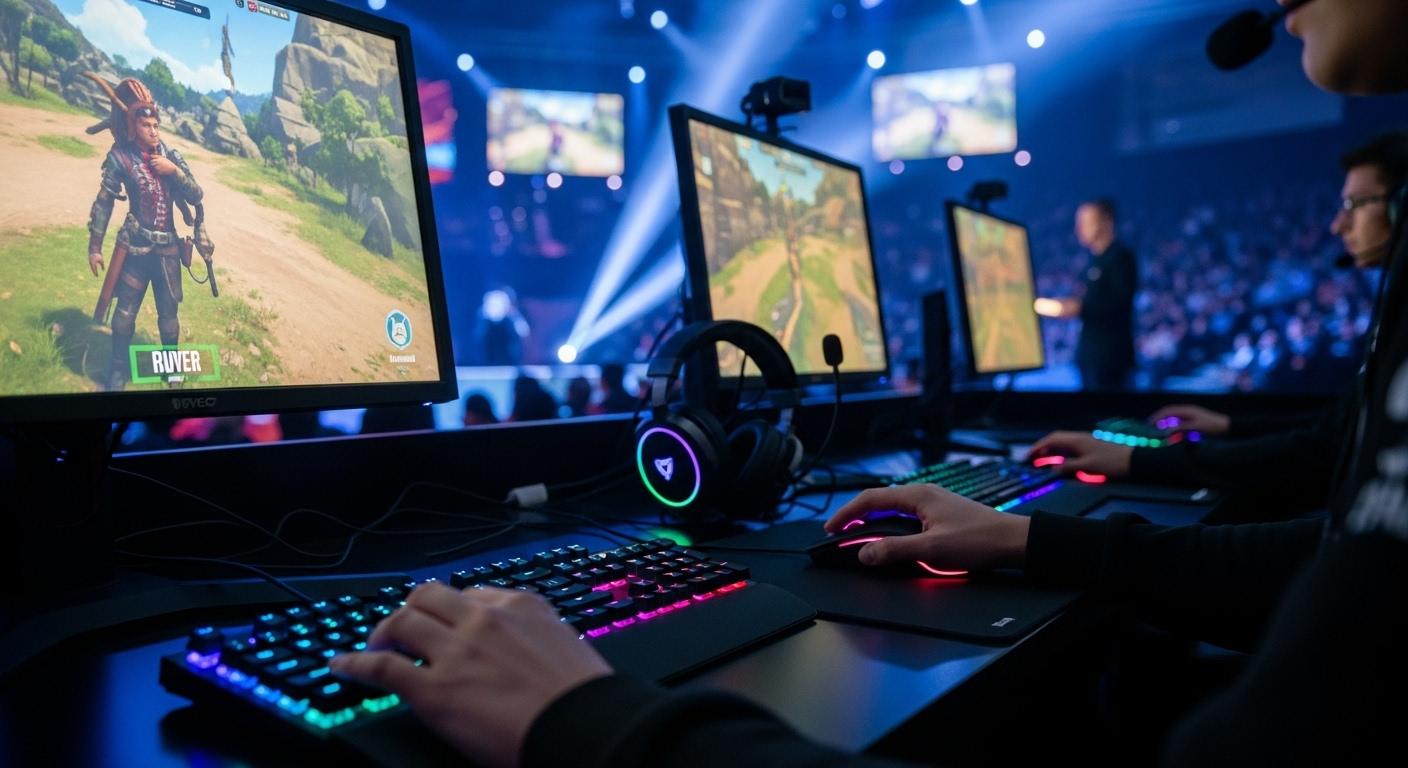
One of the most thrilling aspects of esports is the atmosphere of live events. Large arenas filled with thousands of cheering fans, dramatic light shows, and energetic commentators create an electric environment. Events like The International, League of Legends Worlds, and Overwatch League Finals have turned esports into spectacles that rival concerts and major sports tournaments.
Spectators not only come to watch the matches but also to celebrate gaming culture. Merchandise booths, cosplay, interactive zones, and meet-and-greet sessions make these events more than just competitions—they are festivals of digital entertainment. The emotional energy, collective excitement, and unity of fans reflect the immense social impact of esports.
The Role of Esports Organizations and Sponsors
Esports organizations are the backbone of the industry. These organizations recruit players, manage teams, and handle business operations. Prominent names like Team Liquid, Fnatic, Cloud9, G2 Esports, and T1 have become brands recognized across the world.
Sponsorships play a crucial role in the financial ecosystem of esports. Major companies from technology, energy drinks, apparel, and even traditional sports have entered the scene. Brands like Nike, Red Bull, and Mercedes-Benz have associated themselves with esports, seeing it as a way to reach younger and more digitally connected audiences.
Esports and Education
An emerging trend in the world of esports is its inclusion in education. Universities and colleges around the world have started offering scholarships and courses in esports management, broadcasting, and game design. High schools are forming esports clubs and teams, recognizing the potential for students to learn teamwork, communication, and strategic thinking through gaming.
This educational integration is helping to remove the stigma once associated with gaming. Instead of being viewed as a distraction, esports is now seen as a platform for developing cognitive and social skills. Students who dream of joining the industry can now pursue structured academic paths to become coaches, analysts, event organizers, or broadcasters.
The Global Esports Economy
The esports economy is vast and continuously expanding. It includes tournament revenue, sponsorship deals, advertising, streaming, and merchandise. The rise of franchised leagues has introduced new financial models similar to traditional sports. Teams now have home cities, fan memberships, and exclusive partnerships.
Countries across Asia, Europe, and North America have established esports federations to regulate and promote the industry. The revenue generated by esports surpasses that of many traditional sports leagues, with global audiences numbering in the hundreds of millions. The appeal of esports lies not only in the games but also in the culture, community, and innovation surrounding it.
Diversity and Inclusion in Esports
As esports grows, so does its responsibility to represent diversity and inclusivity. Women, LGBTQ+ individuals, and players from different cultural backgrounds are gaining visibility and respect within the community. Initiatives promoting gender equality and inclusiveness are helping break stereotypes and create a more welcoming environment for everyone.
While challenges still exist—such as online toxicity and gender disparity—the conversation has shifted toward progress and empowerment. Women-led teams, inclusive tournaments, and supportive online spaces are helping redefine what it means to be a gamer in the modern era.
The Role of Technology in Shaping Esports
Technology is at the heart of esports. Advances in internet speed, computer hardware, virtual reality, and artificial intelligence continue to shape how games are played and viewed. Virtual reality and augmented reality are slowly being integrated into competitive gaming, offering new experiences for both players and spectators.
Additionally, the use of data analytics has become a critical tool for teams and coaches. Just as in traditional sports, esports analysts study patterns, performance metrics, and strategic data to improve player efficiency. Technology has turned gaming from casual competition into a science of precision and perfection.
Esports and Traditional Sports: A Growing Connection
Interestingly, traditional sports organizations have started investing heavily in esports. Major football clubs, basketball teams, and sports leagues have established their own esports divisions. The crossover between physical and digital sports is creating new opportunities for fans and athletes alike.
Many traditional athletes have also embraced esports, seeing parallels in teamwork, strategy, and competition. Events that combine both physical and virtual sports are becoming more common, blurring the line between the two worlds and creating a unified sports entertainment landscape.
The Impact of Esports on Youth and Society
For younger generations, esports is more than entertainment—it is a lifestyle. It offers opportunities for socialization, skill development, and career growth. Gaming communities provide spaces for connection and creativity, especially in an increasingly digital age.
Esports also promotes problem-solving, leadership, and communication skills. It encourages resilience, as players learn to handle victory and defeat in equal measure. For many, esports represents the ultimate merging of passion and profession.
Challenges Facing the Esports Industry
Despite its success, esports faces several challenges. Issues such as player burnout, regulation, cheating, and inconsistent management structures pose ongoing threats. There are also debates around gambling, match-fixing, and fair play. Maintaining the integrity of competition is vital for long-term sustainability.
Another concern is accessibility. While many countries have thriving esports scenes, others still lack infrastructure and investment. Ensuring global inclusivity requires continued effort from organizations, governments, and communities alike.
The Future of Esports
The future of esports looks brighter than ever. As technology continues to evolve, esports will likely integrate even more closely with artificial intelligence, virtual reality, and blockchain systems. Viewership will expand further, and competitions will become more immersive.
Esports may also find a place in the Olympic Games in the near future. Discussions about including esports as a demonstration event are ongoing, which would mark a historic milestone for digital competition. The fusion of entertainment, skill, and technology ensures that esports will remain a central part of modern culture for decades to come.
Conclusion: The New Age of Competition
Esports represents the ultimate blend of human creativity, technological innovation, and competitive spirit. What began as friendly battles in arcades has grown into an industry that connects millions across continents. It has shattered stereotypes, created new professions, and redefined what it means to be an athlete.
In the world of esports, boundaries do not exist—anyone with passion, dedication, and skill can compete on the global stage. It is more than just gaming; it is a movement that unites cultures, inspires generations, and continues to evolve with the times. The rise of esports is not the end of traditional sports but the dawn of a new era of competition, one that celebrates the limitless potential of human performance in the digital age.
(Approx. 2,180 words)